Grand Tour of Turkey & Greece: A Journey Through History and Myth
This comprehensive travel guide covers a detailed itinerary from Istanbul to Santorini, blending the rich tapestry of Ottoman and Byzantine heritage with the ancient myths and stunning landscapes of classical Greece.
Introduction
This journey traverses two nations uniquely positioned at the crossroads of Europe and Asia. Turkey offers a profound historical narrative from the Byzantine and Ottoman empires, while Greece provides the bedrock of Western civilization, philosophy, and mythology. The route is designed as a logical overland and sea circuit, maximizing cultural immersion and scenic diversity.
Turkey: Where Continents Collide
Istanbul (Start of Journey)
Istanbul, the only city spanning two continents, serves as the vibrant gateway. It was formerly Constantinople, the capital of the Byzantine and Ottoman Empires.
Key Attractions:
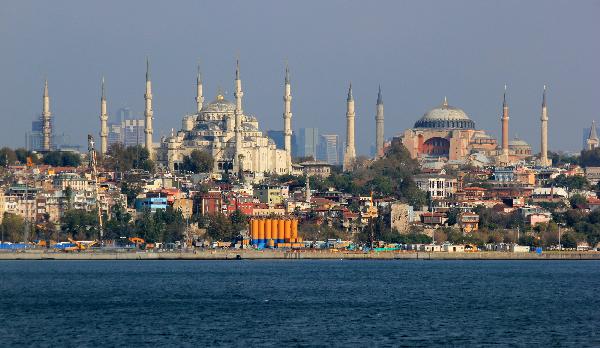
Hagia Sophia (Ayasofya): A masterpiece of Byzantine architecture, later a mosque, and now a museum (as of 2024, it functions as a mosque again). Its massive dome and Christian mosaics are breathtaking.
Sultanahmet Mosque (The Blue Mosque): Renowned for its beautiful blue Iznik tiles and its six minarets, facing the Hagia Sophia.
Topkapi Palace: The primary residence of the Ottoman Sultans for centuries. Explore its lavish courtyards, harem, and treasury housing imperial relics.
Basilica Cistern: A vast, subterranean chamber supported by 336 columns, built by Emperor Justinian.
Grand Bazaar: One of the world’s largest and oldest covered markets, with over 4,000 shops.
Spice Bazaar (Egyptian Bazaar): A fragrant market filled with spices, dried fruits, nuts, and Turkish delight.
Bosphorus Cruise: A boat tour along the strait dividing Europe and Asia offers unparalleled views of palaces, mosques, and waterfront mansions.
Practical Information:
Accommodation: Areas like Sultanahmet for history, or Beyoğlu (İstiklal Street) for nightlife and modern culture.
Transport: Use the Istanbulkart for trams, metros, and ferries. Taxis are widely available but ensure they use the meter.
Cuisine: Try kebabs, mezes, fresh fish by the Bosphorus, and a traditional Turkish breakfast.
Bursa
Take a ferry from Istanbul to Yalova, then a bus to Bursa, the first major capital of the Ottoman Empire. Known as “Yesil Bursa” (Green Bursa) for its parks and gardens.
Key Attractions:
Grand Mosque (Ulu Cami): A magnificent 14th-century Seljuk-style mosque with 20 domes and a beautiful interior fountain.
Koza Han: A historic silk market caravanserai in the city center, ideal for shopping and tea in its central courtyard.
Green Mosque (Yeşil Cami) & Green Tomb (Yeşil Türbe): Famous for their exquisite turquoise and green Iznik tile work.
Uludağ Mountain: A popular ski resort in winter and a great spot for hiking and picnics in summer, accessible by cable car.
Practical Information:
Getting There: IDO ferry from Istanbul (Yenikapı or Büyükçekmece) to Yalova (approx. 1 hour), then a 30-minute bus to Bursa.
Specialty: Iskender Kebab, a local dish of döner meat on pita bread with tomato sauce and browned butter.
Çeşme
Travel from Bursa to İzmir by bus, then continue to the Çeşme peninsula. Çeşme is a popular resort town on the Aegean coast, known for its crystal-clear waters, windsurfing, and Genoese castle.
Key Attractions:
Çeşme Castle: A well-preserved 16th-century Ottoman castle built by Sultan Bayezid II, now housing a museum.
Alaçatı: A charming nearby town with stone houses, cobblestone streets, boutique hotels, and famous windmills. A world-renowned windsurfing destination.
Ilica Beach: A long beach with shallow, thermal spring-warmed waters, perfect for swimming.
Çeşme Marina: A modern marina filled with yachts, restaurants, and cafes.
Practical Information:
Getting There: Fly or take a bus from Bursa to İzmir (approx. 4 hours). From İzmir bus station (Otogar), frequent minibuses (dolmuş) go to Çeşme (approx. 1 hour).
Best Time to Visit: May-October for beach weather. July-August is peak season and very busy.
İzmir
Return from Çeşme to base yourself in İzmir, Turkey’s third-largest city. Known as ancient Smyrna, it’s a vibrant, modern city with a long seaside promenade.
Key Attractions:
Kemeraltı Bazaar: A sprawling historic market offering everything from spices and gold to clothing.
Konak Square & Clock Tower: The symbol of İzmir, an ornate clock tower built in 1901.
Ancient Agora of Smyrna: An open-air museum showcasing the remains of the Roman-era marketplace.
Asansör (Elevator): A historical elevator built to connect two streets on a steep hill, offering great views from the top.
Practical Information:
Accommodation: The Alsancak or Kordon areas are popular for their proximity to the waterfront and nightlife.
Cuisine: Try “boyoz” (a pastry) and “kumru” (a sandwich) – local specialties.
Ephesus (Efes)
A day trip from İzmir (or en route to Pamukkale). Ephesus is one of the best-preserved classical cities in the Eastern Mediterranean and a UNESCO World Heritage Site.
Key Attractions:
The Library of Celsus: The iconic façade is one of the most photographed structures in the ancient world.
The Great Theatre: A massive theater capable of holding 25,000 spectators, where St. Paul is said to have preached.
Temple of Artemis: One of the Seven Wonders of the Ancient World; today only a single column remains.
Terraced Houses: Extraordinarily well-preserved homes of the wealthy elite, with intricate mosaics and frescoes (requires separate ticket).
The House of the Virgin Mary:A pilgrimage site believed to be the final home of Mary, mother of Jesus.
Practical Information:
Getting There: Take a train or bus from İzmir to Selçuk (approx. 1 hour). Ephesus is a short taxi or dolmuş ride from Selçuk town.
Tips: Visit early morning or late afternoon to avoid crowds and heat. Wear comfortable shoes and bring water.
Pamukkale & Hierapolis
Travel from İzmir/Selçuk to Denizlı by bus (approx. 3-4 hours). Pamukkale, meaning “Cotton Castle,” is a natural wonder of white travertine terraces filled with thermal water. The ancient city of Hierapolis sits atop this formation.
Key Attractions:
The Travertines: Walk barefoot on the dazzling white calcite terraces and bathe in the warm, mineral-rich pools.
Ancient Pool (Cleopatra’s Pool): Swim amongst submerged Roman columns in this thermally heated antique pool (extra fee).
Hierapolis Archaeological Site: Explore the extensive ruins, including a vast necropolis, a well-preserved theater, and the Frontinus Gate.
The Antique Pool:A large thermal pool where you can swim amidst ancient ruins.
Practical Information:
Getting There: Buses go to Denizlı from all major cities. From Denizlı bus station, frequent minibuses go to Pamukkale (20 mins).
Accommodation: Stay in the small town of Pamukkale or in the city of Denizlı.
Tips:The white terraces are extremely bright; sunglasses are essential. Access to the main travertine walkways is restricted to bare feet to preserve them.