A Comprehensive Travel Guide to Portugal’s Classic Itinerary: Lisbon, Cascais, Sintra, Coimbra, Aveiro, Porto, Fátima, Nazaré, Óbidos
Portugal, a nation of explorers, boasts a dramatic coastline, historic cities, and a rich cultural tapestry. This guide details a classic circuit starting and ending in Lisbon, taking you through charming fishing towns, mystical forests, revered religious sites, and the vibrant northern capital of Porto. The journey encapsulates the very soul of Portugal.
1. Lisbon (Lisboa): The City of Seven Hills
Lisbon, Portugal’s charismatic capital, is a city of steep hills, tiled buildings, and the melancholic sound of Fado music. It’s a place where traditional trams rattle past trendy boutiques and ancient ruins stand beside modern art installations.
Attractions & Experiences
Alfama District: Get lost in the labyrinthine streets of Lisbon’s oldest quarter. This area survived the 1755 earthquake and is a maze of narrow alleys, hidden courtyards, and lines of drying laundry. Visit the Lisbon Cathedral (Sé de Lisboa), a formidable Romanesque fortress-church.
Castelo de São Jorge: Perched atop the highest hill, this Moorish castle offers panoramic views over the city’s red roofs and the Tagus River. The grounds are home to peacocks and archaeological sites.
Belém District: This is the birthplace of Portugal’s Age of Discoveries. Here you’ll find the iconic Belém Tower, a 16th-century fortification on the water’s edge, and the stunning Jerónimos Monastery, a masterpiece of Manueline architecture. Don’t forget to try the original Pastéis de Belém at the famous pastry shop.
Praça do Comércio: This vast, majestic square facing the river was once the main entrance to the city. The grand arch leads to the bustling Baixa (downtown) district.
Ride Tram 28: Take a ride on the legendary yellow tram 28 for a rattling tour through the city’s most historic neighborhoods, including Graça, Alfama, and Baixa.
Food & Drink
Pastéis de Nata: The iconic custard tart, best enjoyed with a sprinkle of cinnamon and powdered sugar.
Bacalhau: Salted cod, prepared in hundreds of different ways. Try Bacalhau à Brás (shredded cod with onions, potatoes, and eggs).
Sardinhas Assadas: Grilled sardines, a staple especially during the Festas de Santos Populares in June.
Ginjinha: A sour cherry liqueur, often served in a chocolate cup from small bars in Alfama or Rossio.
Transportation & Tips
Lisbon is easily navigated by metro, bus, and tram. Consider purchasing a “Viva Viagem” card for easy access to all public transport. Wear comfortable shoes as the city is very hilly. For a unique perspective, take one of the historic elevadors (lifts) like Santa Justa or Glória.
2. Cascais & Cabo da Roca: The Coastline & The End of the World
A short train ride from Lisbon takes you to the elegant Estoril Coast, where the vibe shifts from urban energy to seaside charm.
Cascais
Once a fishing village, Cascais is now a sophisticated resort town with a beautiful marina, sandy beaches, and a charming historic center. Stroll along the seaside promenade, visit the
Cidadela de Cascais (a historic fortress now housing a hotel and art space), and explore the Boca do Inferno (Hell’s Mouth), a cliff formation where the sea crashes dramatically into a chasm.
Cabo da Roca
From Cascais, take a bus or drive to
Cabo da Roca, the westernmost point of mainland Europe. The experience is raw and powerful: towering cliffs, strong winds, and the endless expanse of the Atlantic Ocean. There’s a lighthouse and a stone monument with a plaque declaring your location at “where the land ends and the sea begins.”
Practical Tips
The train from Lisbon’s Cais do Sodré station to Cascais is scenic, running right along the coast. Buses to Cabo da Roca depart regularly from both Cascais and Sintra. Dress in layers as it can be very windy at the cape.
3. Sintra: A Fairytale in the Mountains
A short journey inland from Cascais lies Sintra, a UNESCO World Heritage site that seems plucked from a storybook. Its lush, forested mountains are dotted with extravagant palaces and mansions.
Attractions & Experiences
Pena National Palace (Palácio Nacional da Pena): The crown jewel of Sintra, this 19th-century Romanticist palace is a riot of colors, architectural styles, and whimsical details. Its hilltop location often places it above the clouds.
Moorish Castle (Castelo dos Mouros): The ruins of this 8th-century castle offer a stark contrast to Pena Palace. Walking its ramparts provides breathtaking views of Sintra and the coast.
Quinta da Regaleira: A mysterious and enchanting estate with a palace, lush gardens, hidden tunnels, and initiation wells linked to Templar and Masonic symbolism. The inverted tower, the “Initiation Well,” is a highlight.
National Palace of Sintra (Palácio Nacional de Sintra): Located in the town center, this palace is recognizable by its two massive conical chimneys. Its interiors feature beautiful azulejo (tile) work.
Food & Tips
Try the local pastries,
travesseiros (pillow-shaped pastries) and queijadas (cheese tarts). Sintra’s attractions are spread out and hilly. Using the local Scotturb bus circuit is highly recommended over trying to drive and park. Start early to avoid the biggest crowds at Pena Palace.
4. Coimbra: The City of Students
Heading north from Lisbon/Sintra, Coimbra is home to one of the world’s oldest universities. The city’s identity is deeply intertwined with its student population, creating a unique blend of solemn tradition and youthful energy.
Attractions & Experiences
University of Coimbra – Alta and Sofia: A UNESCO site. Explore the stunning Joanina Library, a baroque masterpiece with gilded shelves and a colony of bats that protects the books from insects. Visit the Royal Palace (Sala dos Capelos) and the clock tower.
Cathedral (Sé Velha): A fine example of Romanesque architecture in Portugal, reflecting the city’s early importance.
Santa Clara-a-Velha: The ruins of a Gothic monastery that was repeatedly flooded by the Mondego River, offering a hauntingly beautiful sight.
Fado ao Centro: Listen to Fado de Coimbra, a unique style of Fado traditionally sung by male students, characterized by its mournful and romantic themes.
Culture & Food
The academic tradition is strong here; you’ll see students wearing black capes (
capa e batina) and witness the “Queima das Fitas” (Burning of the Ribbons) festival if visiting in May. Try local dishes like leitão à Bairrada (suckling pig) or chanfana (goat stew).
5. Aveiro: The Portuguese Venice
A short trip from Coimbra, Aveiro is a charming city crisscrossed by canals and colorful moliceiro boats.
Attractions & Experiences
Canal Boat Ride: A ride on a traditional moliceiro boat is a must-do. These boats, painted with colorful and often humorous scenes, were once used for harvesting seaweed.
Costa Nova: A nearby beach strip famous for its candy-striped wooden houses (palheiros). It’s a picturesque spot for a walk and fresh seafood.
Aveiro Cathedral & Art Nouveau Museum: Explore the city’s religious architecture and its collection of Art Nouveau buildings.
Food
Aveiro is famous for its soft eggs and seafood. You must try
Ovos Moles de Aveiro, sweet egg-yolk pastries shaped like seashells and barrels. Fresh seafood is abundant, especially eel stew (caldeirada de enguias).
6. Porto: The Invincible City
The country’s second city, Porto, is rugged, authentic, and breathtakingly beautiful. Built into the hills overlooking the Douro River, it’s the home of Port wine.
Attractions & Experiences
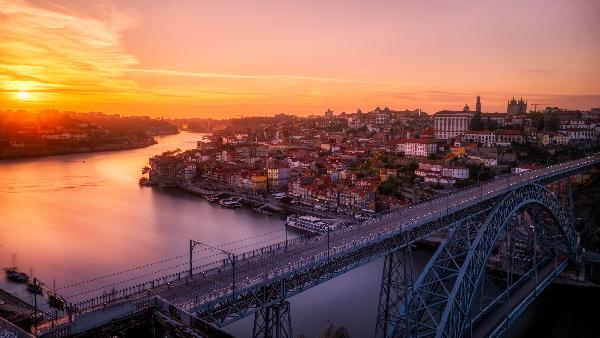
Ribeira District: A UNESCO World Heritage site, this riverside neighborhood is a kaleidoscope of colorful houses, narrow streets, and lively restaurants. The view from Vila Nova de Gaia across the river is iconic.
Port Wine Cellars (Caves): Cross the Dom Luís I Bridge to Vila Nova de Gaia to tour the famous Port wine lodges (like Taylor’s, Sandeman, or Graham’s) for tastings.
Livraria Lello: Often cited as one of the most beautiful bookstores in the world, its stunning neo-Gothic interior with a crimson staircase is said to have inspired J.K. Rowling.
Clérigos Tower & Church: Climb the 240 steps of this baroque tower for a 360-degree view of Porto.
Palácio da Bolsa: Visit the Stock Exchange Palace, particularly the breathtaking Arabian Hall (Sala Árabe), inspired by Granada’s Alhambra.
Douro River Cruise: Take a short cruise under Porto’s six bridges for a different perspective of the city.
Food & Drink
Francesinha: Porto’s legendary “little Frenchie” sandwich: layers of bread, ham, linguiça, steak, and sausage, covered with melted cheese and a hot tomato-beer sauce.
Tripas à Moda do Porto:A traditional tripe stew that gives Porto residents their nickname (Tripeiros).
Port Tonic:A refreshing cocktail of white port and tonic water.
Bacalhau:As in Lisbon, cod is a staple here.
The Return Journey South: Fátima, Nazaré & Óbidos
7. Fátima: A Spiritual Pilgrimage
One of the most important Catholic pilgrimage sites in the world, Fátima is where three shepherd children reported apparitions of the Virgin Mary in 1917.
Santuário de Fátima:The vast sanctuary includes the Basilica of Our Lady of the Rosary, where the children are buried, and the modern Basilica of the Holy Trinity. The Capelinha das Aparições (Chapel of Apparitions) marks the exact spot.
Cultural Insight:The atmosphere is one of deep devotion. On pilgrimage days (especially May 13 and October 13), millions gather here. Visitors are expected to dress and behave respectfully.
8. Nazaré: Giants of the Sea
A traditional fishing town that has gained global fame for its record-breaking giant waves.
Sítio:Takes the funicular up to the Sítio district for stunning cliff-top views and visit the Nossa Senhora da Nazaré church.
The Waves:
The Beach:The main beach is vast and lined with colorful fishing boats drying on the sand. It’s a great spot to try fresh grilled fish at one of the beachfront restaurants.
9. Óbidos: The Medieval Wedding Gift
A perfectly preserved medieval village enclosed within 14th-century walls.
The Walled Town:
The Main Street (Rua Direita):A charming street lined with shops selling local crafts and the famous The Castle:
The most efficient way to complete this circuit is by rental car, offering maximum flexibility for stops in places like Nazaré and Óbidos. However, Portugal has an excellent public transport network: >Train:
li>
A Note on Transportation for this Itinerary