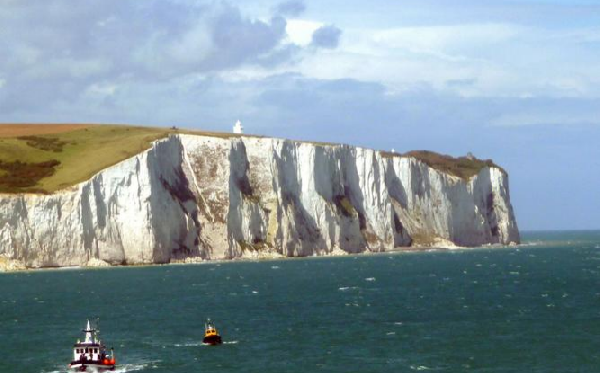
A Journey Through History: London, Canterbury, and the White Cliffs of Dover
This travel guide outlines a classic and enriching multi-day itinerary from England’s bustling capital to its serene and historically significant southeast coast. The journey encompasses the spiritual heart of Anglican Christianity, stunning natural landscapes, and charming English gardens, offering a perfect blend of city energy and countryside tranquility.
Trip Overview
This itinerary is typically best experienced over three to four days. It involves a circular route starting and ending in London, with Canterbury serving as an ideal base for exploring the surrounding Kent region, known as the “Garden of England.” The primary mode of transport for this journey is the train, offering efficiency and scenic views, though renting a car provides more flexibility for exploring rural areas.
Duration: 3-4 Days
Focus: History, Religion, Nature, and Gardens
Pace: Moderate
Key Destinations: London, Canterbury, Westgate Gardens, Canterbury Cathedral, White Cliffs of Dover.
Part 1: London – The Starting Point
London needs little introduction. As one of the world’s great cities, it serves as the perfect launchpad for this historical pilgrimage. While visitors will likely spend time here before or after the trip, the focus for this guide is on the journey southeast.
Transportation from London to Canterbury
Canterbury is easily accessible from London, making it a perfect day trip or the first stop on a multi-day tour.
By Train: This is the most recommended method. High-speed services run from London St Pancras International to Canterbury West station in approximately 55 minutes. Slower, but often cheaper, services run from London Victoria or London Charing Cross to Canterbury East station, taking about 1 hour and 30 minutes. It is advisable to book tickets in advance for the best fares.
By Car: The drive from central London to Canterbury takes around 1.5 to 2 hours via the M2 motorway. While it offers flexibility, consider traffic congestion and the challenge and cost of parking in Canterbury’s city center.
By Coach: National Express and other coach services operate from London Victoria Coach Station to Canterbury. This is usually the most budget-friendly option, though the journey time is longer, typically around 2 hours.
Part 2: Canterbury – The Holy City
Canterbury, a UNESCO World Heritage Site, is one of England’s most visited cities due to its profound historical and religious significance. As the seat of the Archbishop of Canterbury, the leader of the Church of England, it has been a major pilgrimage site since the martyrdom of Thomas Becket in 1170.
Accommodation in Canterbury
Staying overnight in Canterbury allows visitors to experience the city’s magical atmosphere after the day-trippers have left. A range of options is available.
Luxury: The ABode Canterbury offers stylish rooms in a prime location. For a historic stay, The Falstaff in a building dating back to the 15th century provides classic charm.
Mid-Range: The Canterbury Hotel and The House of Agnes offer comfortable accommodations with good service and character.
Budget/Boutique: Numerous B&Bs and guesthouses are located within walking distance of the city center. Premier Inn and Travelodge also have properties near the city walls.
Food and Drink in Canterbury
Canterbury’s culinary scene blends traditional English pubs with modern international cuisine.
Traditional Pubs: The Old Weaver’s House, a timber-framed building overhanging the River Stour, is perfect for a classic pub meal and a pint of local ale. The Parrot also offers historic ambiance and good food.
Fine Dining: Deeson’s British Restaurant & Bar focuses on locally sourced, modern British cuisine in an elegant setting.
Casual Eats: The Goods Shed is a must-visit; it’s a permanent farmers’ market and restaurant housed in a Victorian railway goods shed, offering incredibly fresh, local produce.
Local Specialties: Sample Kentish ales and ciders, as Kent is a major hop-growing region. Also, look for Gypsy Tart, a traditional Kentish dessert.
Key Attractions in Canterbury
Canterbury Cathedral
The magnificent Canterbury Cathedral is the mother church of the worldwide Anglican Communion and a place of worship for over 1400 years. A visit here is a journey through English history.
History & Significance: Founded in 597 AD by St. Augustine, its global fame stems from the murder of Archbishop Thomas Becket in 1170. His shrine became one of the most important pilgrimage destinations in Europe, famously documented in Geoffrey Chaucer’s “The Canterbury Tales.”
What to See:
- The site of Thomas Becket’s martyrdom.
- The stunning Gothic nave and the Bell Harry Tower.
- The Romanesque crypt, the oldest surviving part of the cathedral.
- The beautiful stained-glass windows, some dating from the 12th century.
- The Chapter House and Cloisters.
Practical Info: It is an active place of worship, so visitors are asked to be respectful. Check the official website for opening times, service schedules, and ticket prices, as booking online in advance is highly recommended.
Westgate Gardens
Located just a short walk from the cathedral, Westgate Gardens is a peaceful oasis in the heart of the city. These historic public gardens are situated on the banks of the River Stour, right next to the city’s last surviving medieval gate, the Westgate Tower.
Highlights: The gardens feature beautifully maintained flower beds, sprawling lawns, and a charming river path. Visitors can see a 200-year-old Oriental plane tree, Roman ruins, and enjoy views of the river flowing under Tudor houses.
Experience: It’s a perfect spot for a relaxing stroll, a picnic, or to take a traditional riverboat tour that departs from nearby. The contrast between the serene gardens and the ancient stone of the Westgate Tower is particularly photogenic.
Access: The gardens are free to enter and open to the public during daylight hours.
Other Canterbury Attractions
The Canterbury Tales: A lively audio-visual attraction that recreates Chaucer’s tales using life-sized models and audio guides, offering a fun and engaging historical experience.
Canterbury Roman Museum: Built around the remains of an original Roman townhouse with a stunning mosaic floor, this museum offers a glimpse into the city’s ancient past.
St. Augustine’s Abbey: Another part of the UNESCO World Heritage Site, these ruins mark the spot of the monastery founded by St. Augustine in 597 AD.
Part 3: Day Trip to the White Cliffs of Dover
From Canterbury, a day trip to the iconic White Cliffs of Dover is essential. These brilliant white chalk cliffs have served as a symbol of hope and home for centuries.
Transportation from Canterbury to Dover
By Train: Frequent train services run from both Canterbury East and Canterbury West stations to Dover Priory. The journey takes about 15-25 minutes. From Dover Priory station, it is a steep 30-40 minute walk or a short taxi/bus ride to the White Cliffs visitor center.
By Bus: Stagecoach bus services connect Canterbury and Dover. The journey is slower but offers views of the Kent countryside.
By Car/Taxi: The drive takes about 30 minutes via the A2 road. Parking is available at the National Trust White Cliffs visitor center.
The White Cliffs of Dover Experience
Managed by the National Trust, the White Cliffs are a dramatic natural spectacle and a site of ecological and historical importance.
The Walk: The most popular activity is walking along the cliff-top paths. The main path from the visitor center towards South Foreland Lighthouse offers breathtaking views across the English Channel. On a clear day, you can see France.
Fan Bay Deep Shelter: Take a guided tour (must be pre-booked) of this network of underground tunnels used as military gun batteries during World War II. It’s a fascinating glimpse into Britain’s wartime history.
South Foreland Lighthouse: A Victorian lighthouse that was the first to use an electric light. It serves delicious cream teas with spectacular views.
Practical Tips: Wear sturdy walking shoes as paths can be uneven and muddy. The weather can change rapidly, so dress in layers and bring waterproofs. There are limited facilities on the cliffs themselves, so bring water and snacks. Check the National Trust website for opening times and any path closures.
Part 4: The Return Journey to London
After exploring Dover, travelers can return directly to London or head back to Canterbury for another night before returning to the capital the following day.
Transportation from Dover to London
By Train: Direct services run from Dover Priory station to London St Pancras (high-speed) and London Victoria (slower). The high-speed journey takes approximately 1 hour.
By Car/Coach: The drive back to London follows the same routes as to Canterbury but continues further. Coach services are also available from Dover directly to London.
Cultural Insights and Travel Tips
The Pilgrim’s Way
The entire journey from London to Canterbury loosely follows the historic Pilgrim’s Way, the route taken by medieval pilgrims traveling to the shrine of Thomas Becket. Understanding this context adds a profound layer of meaning to the trip. Modern travelers are walking in the footsteps of millions who have made this journey for centuries.
The Garden of England
The county of Kent is known as the “Garden of England” for its abundance of orchards and hop gardens. When traveling through the countryside, notice the oast houses (distinctive conical-roofed buildings used for drying hops) and consider visiting a local farm shop to sample fresh produce like apples, pears, cherries, and strawberries.
General Travel Advice
Booking: Pre-book train tickets and major attraction tickets (especially Canterbury Cathedral) online to save money and avoid long queues.
Weather: The British weather is famously changeable. Be prepared for all conditions by packing an umbrella and layers, even in summer.
Currency: The currency is the British Pound (£). Credit and debit cards are widely accepted, but it’s always wise to carry some cash for smaller establishments or markets.
Tipping: A service charge (10-12.5%) is often added to restaurant bills. If not, it is customary to leave a similar amount. Tipping in pubs is not expected. For taxi drivers, rounding up the fare is common.
Conclusion
The journey from London to Canterbury and the White Cliffs of Dover is more than just a scenic trip; it is an immersion into the layered history of England. From the global metropolis of London to the spiritual serenity of Canterbury Cathedral, from the tranquil beauty of Westgate Gardens to the raw, natural power of the White Cliffs, this itinerary offers a profound and unforgettable experience of Britain’s heritage and landscape.