A Comprehensive Travel Guide: London, Oxford, the Cotswolds & London
This itinerary combines the vibrant, historic capital of the United Kingdom with the academic splendour of Oxford and the quintessential English countryside of the Cotswolds. It offers a rich tapestry of urban energy, scholarly pursuit, and bucolic serenity, providing a well-rounded experience of England’s diverse character.
Part 1: London – The Imperial Capital
London is a sprawling metropolis where history whispers from every corner and modernity thrums with an undeniable energy. A world city in the truest sense, it demands exploration beyond its iconic postcard sights.
Top Attractions in London
The British Museum: Home to a vast collection of world art and artefacts, including the Rosetta Stone and the Parthenon Marbles. Entry is free, though donations are encouraged.
The Tower of London: A historic castle on the north bank of the River Thames. Explore the Crown Jewels, walk the battlements, and hear tales of its bloody past from the Yeoman Warders.
Buckingham Palace: The official London residence of the monarch. The daily Changing of the Guard ceremony is a major draw (check schedules). State Rooms are open to the public during the summer.
The Houses of Parliament & Big Ben: An iconic Gothic revival building. The Elizabeth Tower (commonly known as Big Ben) is one of the most recognized symbols of London.
Westminster Abbey: A magnificent Gothic church, the site of coronations, royal weddings, and burials of monarchs and notable figures.
The South Bank: A vibrant cultural walkway along the Thames, featuring the London Eye, Shakespeare’s Globe Theatre, Tate Modern art gallery, and numerous street food markets.
Hyde Park & Kensington Gardens: Vast royal parks perfect for a stroll, a boat ride on the Serpentine lake, or visiting the serene Italian Gardens.
London Food & Drink
London’s food scene is incredibly diverse. Beyond classic pubs, explore its myriad of international cuisines.
Classic Pub Grub: Enjoy a Sunday Roast with Yorkshire pudding, fish and chips, or a pie and a pint in a traditional pub. Look for establishments away from the main tourist trails for a more authentic experience.
Afternoon Tea: An indulgent British tradition. Options range from luxurious services at hotels like The Ritz or Fortnum & Mason to more casual offerings at department stores or quaint tea rooms.
International Flavours: Explore Brick Lane for Bangladeshi curries, Brixton for Caribbean and African food, Chinatown for authentic Asian cuisine, and Borough Market for gourmet produce and street food from around the world.
Street Food Markets: Borough Market, Maltby Street Market, and Camden Market are excellent for sampling a wide variety of high-quality, innovative street food.
Transportation in London
London’s public transport network is extensive and efficient.
The Tube (London Underground): The fastest way to navigate central London. Purchase an Oyster card or use a contactless bank card for the cheapest fares. The system is divided into zones, and fares are capped daily.
Buses: A scenic way to see the city, especially from the front seat on the top deck of a classic red bus. Also paid for with Oyster/contactless.
Walking: Many of central London’s attractions are within walking distance of each other. Walking is often the best way to discover hidden gems.
Black Cabs: The iconic London taxi. They can be hailed on the street and are knowledgeable about the city’s routes.
Accommodation Tips for London
Stay in neighbourhoods that match your travel style.
West End (Covent Garden, Soho): Central, vibrant, and close to major theatres and shopping. Can be noisy and expensive.
South Bank & Bankside: Ideal for culture lovers, with easy access to Tate Modern, Shakespeare’s Globe, and Borough Market.
Kensington & Chelsea: A more affluent, quieter area with excellent museums (V&A, Natural History Museum) and beautiful garden squares.
King’s Cross: A major transport hub that has been regenerated into a trendy area with great restaurants and hotels.
Part 2: Oxford – The City of Dreaming Spires
A short journey from London, Oxford is a city dominated by its world-famous university. The stunning architecture of its historic colleges creates an atmosphere of scholarly charm and timeless beauty.
Top Attractions in Oxford
Bodleian Library: One of the oldest libraries in Europe. Take a guided tour to see the magnificent Divinity School and Duke Humfrey’s medieval library.
Christ Church College: One of Oxford’s largest and most famous colleges. Its grand dining hall was the inspiration for the Great Hall in Harry Potter, and its cathedral is the college chapel.
Radcliffe Camera: A stunning circular library building that is one of the most photographed landmarks in Oxford (interior access is generally restricted to Bodleian readers).
Ashmolean Museum: Britain’s first public museum and now one of the world’s finest, with collections spanning from Egyptian mummies to modern art.
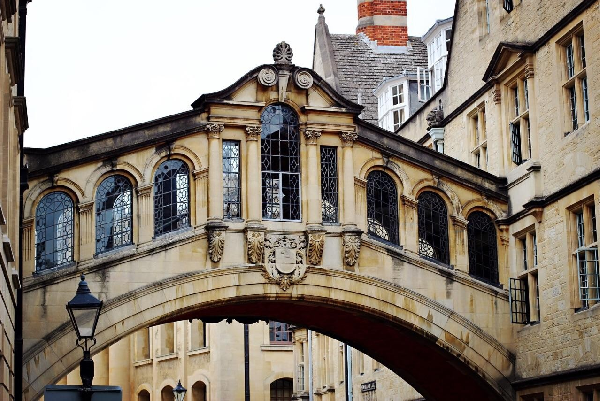
Bridge of Sighs: A picturesque bridge connecting two parts of Hertford College, named for its resemblance to the bridge in Venice.
Punting on the River Cherwell: A classic Oxford pastime. Hire a punt (a flat-bottomed boat) and glide along the river, enjoying views of the college backs and meadows.
Oxford Food & Drink
The Covered Market: A historic market dating back to the 1770s, filled with independent butchers, bakeries, sandwich shops, and unique gift stalls.
Traditional Pubs: Oxford is filled with historic pubs like The Eagle and Child (a former haunt of J.R.R. Tolkien and C.S. Lewis) and The Turf Tavern, a hidden gem accessed via a narrow alley.
The Grand Café: Claimed to be the site of England’s first coffee house in 1650, it’s a beautiful spot for afternoon tea or a light meal.
Getting from London to Oxford
Train: The fastest and most convenient option. Direct services run from London Paddington station (approx. 1 hour) and London Marylebone (approx. 1 hour 10 mins). Booking in advance can yield significant savings.
Coach/Bus: The Oxford Tube and X90 services offer a cheaper, though slower, alternative (approx. 1 hour 30 mins to 2 hours), with multiple pick-up points in central London.
Part 3: The Cotswolds – Quintessential English Countryside
The Cotswolds is an Area of Outstanding Natural Beauty (AONB) characterised by rolling hills, river valleys, and, most famously, picturesque villages built from honey-coloured Jurassic limestone. It is an ideal place to slow down and experience rural England.
Must-Visit Cotswold Villages
Bourton-on-the-Water: Known as the “Venice of the Cotswolds” due to the River Windrush that flows through its centre, crossed by low stone bridges.
Bibury: Renowned for Arlington Row, a row of weavers’ cottages dating back to the 17th century, often described as the most beautiful village in England.
Stow-on-the-Wold: A historic market town perched on a hilltop, known for its large market square and antique shops.
Castle Combe: Often voted one of England’s prettiest villages, with its idyllic bridge, river, and cottages seemingly untouched by time.
The Slaughters (Upper & Lower): Two tranquil neighbouring villages connected by a gentle walking path along the River Eye. The name derives from the Old English word for “muddy place,” not its modern meaning.
Broadway:A wide, elegant village street lined with horse chestnut trees and honey-coloured stone buildings. Don’t miss a walk up to Broadway Tower for panoramic views.
Cotswolds Food & Drink
Country Pubs: The heart of any Cotswold village. Enjoy locally sourced produce, real ales from regional breweries, and a cosy atmosphere by a roaring fire in winter.
Cream Tea: A must-try experience. This consists of scones served with clotted cream, strawberry jam, and a pot of tea. Debate rages over whether the cream or jam should be applied first (the Devon vs. Cornwall method).
Farm Shops: The Cotswolds is renowned for its high-quality local produce. Visit farm shops like Daylesford Organic or Stroud Farmers’ Market to sample local cheeses, meats, and baked goods.
Transportation in the Cotswolds
This is rural England, so planning is essential.
Car Rental: The most flexible way to explore. It allows you to visit remote villages at your own pace. Pick up a car in Oxford for the journey into the Cotswolds. Be aware that roads can be very narrow and parking in villages is often limited.
Public Buses:A network of buses connects the main towns and some villages (e.g., Pulhams & Stagecoach services), but frequencies can be low, especially on evenings and Sundays. Careful timetable planning is required.
Tours: Numerous guided day tours operate from Oxford, London, and Bath, which provide a hassle-free way to see the highlights without worrying about transport.
Accommodation in the Cotswolds
Country Inns & Pubs: Offer characterful rooms often with an excellent restaurant and bar on-site.
Bed & Breakfasts (B&Bs): Provide a personal touch and a hearty English breakfast, often in a beautiful historic house.
The Return: London Departure
The final leg of this journey involves returning to London from the Cotswolds. If you have a rental car, it is most efficient to drop it off at a major station like Oxford or Reading and complete the journey by train to London. This avoids driving and paying the Congestion Charge in central London. Alternatively, direct coach services run from towns like Cheltenham or Moreton-in-Marsh to London Victoria Coach Station. Allow ample time for this journey before an evening flight or to enjoy one last night in the capital.
Cultural Insights & Practical Tips
Tipping: In restaurants, a service charge of 10-12.5% is often added to the bill. If not, it is customary to leave a similar amount. For taxis, rounding up the fare is appreciated. Tipping in pubs is not expected.
Queueing: The British take queueing (standing in line) very seriously. Always wait your turn patiently.
Weather Preparedness: The weather in England is famously changeable. Pack layers and a waterproof jacket regardless of the forecast.
The Pub: Pubs are central to British social life. It is common to order food and drinks at the bar rather than waiting for table service. Don’t be afraid to strike up a conversation with locals.
Shopping Hours: Most shops are open from 9 am or 10 am to 5:30 pm or 6 pm. Sunday trading hours are typically 10 am or 11 am to 4 pm or 5 pm. Smaller villages may have limited hours.
Scheduling & Booking: For popular attractions like the Warner Bros. Studio Tour (Harry Potter) near London, booking tickets weeks or even months in advance is essential. Pre-booking trains also saves money.
This journey from London to Oxford and the Cotswolds offers a profound glimpse into the many facets of England—its imperial history, its academic excellence, and its timeless rural charm. With careful planning and an open mind, travellers will leave with memories of stunning architecture, serene landscapes, and warm hospitality.