A Comprehensive Travel Guide: London, Seven Sisters, Brighton & British Airways i360
This guide offers a detailed itinerary for a classic Southern England experience, combining the world-class metropolis of London with the stunning natural beauty of the South Downs and the vibrant, bohemian charm of the seaside city of Brighton. This journey encapsulates the diverse character of England, from royal palaces and iconic museums to dramatic white cliffs and quirky pier-side attractions.
Part 1: London – The Historic Capital
London is a sprawling, dynamic city steeped in history yet constantly evolving. A global centre for finance, art, and culture, it offers an endless array of attractions, from ancient monuments to cutting-edge galleries.
Key Attractions in London
The Tower of London: A historic castle on the north bank of the River Thames. Founded towards the end of 1066, it has served as a royal palace, prison, armoury, and treasury. Visitors can see the Crown Jewels, be guided by the iconic Yeoman Warders (Beefeaters), and explore the medieval palace.
Buckingham Palace: The official London residence of the UK’s sovereign. The Changing of the Guard ceremony is a major tourist draw. During the summer, the State Rooms are open to the public.
Houses of Parliament & Big Ben: The seat of the UK government. The Elizabeth Tower, commonly known as Big Ben, is one of the most recognizable symbols of London.
The British Museum: A museum dedicated to human history, art, and culture. Its permanent collection of eight million works is among the largest and most comprehensive in existence, including the Rosetta Stone and the Parthenon Marbles.
The Tate Modern & South Bank: Housed in a former power station, the Tate Modern is the world’s most-visited museum of modern and contemporary art. The surrounding South Bank area is a cultural hub with street performers, book markets, and great views of the city.
West End Theatre: Catching a world-class musical or play in London’s West End is a quintessential experience. Tickets can be purchased in advance or for a discount at the TKTS booth in Leicester Square.
Food & Drink in London
London’s food scene is incredibly diverse. Beyond the classic fish and chips, visitors should explore:
Pubs: For a traditional experience, try a Sunday Roast with Yorkshire pudding or a pie and mash with a pint of real ale.
Afternoon Tea: An indulgent British tradition. Options range from luxurious services at hotels like The Ritz or Fortnum & Mason to more casual offerings.
Borough Market: One of the largest and oldest food markets in London, offering everything from gourmet cheeses and fresh oysters to international street food.
Curry Houses in Brick Lane: The East End is famous for its Bangladeshi community and the excellent, often competitively-priced, curry restaurants on Brick Lane.
International Cuisine: Explore the flavours of the world in neighbourhoods like Chinatown, Little Venice (for Italian), or Kingsland Road (for Vietnamese).
Transportation in London
London has an extensive public transport network managed by Transport for London (TfL).
The Tube (London Underground): The fastest way to travel across the city. An Oyster card or contactless payment card (including smartphones) is the most cost-effective way to pay for fares.
Buses: A great way to see the city while you travel. Payment is also made via Oyster or contactless.
Walking: Many central attractions are within walking distance of each other. Exploring on foot allows you to discover hidden gems.
Black Cabs & Uber: Taxis are readily available but can be expensive. Ride-hailing apps are also widely used.
Accommodation Tips for London
London offers accommodation for every budget. It is advisable to book well in advance, especially during peak season.
Luxury: Consider areas like Mayfair, Knightsbridge, or South Kensington for five-star hotels.
Mid-Range: Neighborhoods like Covent Garden, Bloomsbury, and Paddington offer a good balance of location and price.
Budget: Look for hostels and budget hotels in zones 2-3, which are still well-connected by the Tube. Areas like Earl’s Court or King’s Cross can offer good value.
Part 2: Seven Sisters White Cliffs – A Natural Wonder
A short journey from Brighton lie the Seven Sisters, a series of dramatic chalk cliffs that form an iconic part of England’s coastline. They are part of the South Downs National Park and offer breathtaking views and excellent walking opportunities.
Introduction to the Seven Sisters
The Seven Sisters are a series of undulating, white chalk cliffs that plunge into the English Channel. They are at their most stunning when viewed from the sea, but exploring them on foot is the best way to appreciate their scale and beauty. The area is a haven for wildlife and provides a stark contrast to the urban energy of London.
Getting to the Seven Sisters
The most common access point is from Seaford or Eastbourne.
By Train & Bus: From London Victoria or London Bridge stations, take a train to Brighton or Lewes. From Brighton, take a train to Seaford or a bus to the Seven Sisters Country Park visitor centre. From Eastbourne, buses run to Birling Gap, a key access point on the cliffs.
By Car: Driving offers the most flexibility. The journey from London takes approximately 2 hours. Park at the Seven Sisters Country Park car park (postcode BN25 4AD) or at Birling Gap.
Experiencing the Cliffs
Hiking: The classic walk is along the South Downs Way from the Country Park visitor centre to Beachy Head near Eastbourne. This offers unparalleled views of the cliffs. A shorter, popular walk is from the visitor centre to Cuckmere Haven beach and back.
Birling Gap: This is a small hamlet nestled at the bottom of the cliffs, with a staircase providing access to the beach. It has a National Trust cafe and shop. It’s a perfect spot for photos.
Belle Tout Lighthouse: A historic lighthouse located near Beachy Head, now operating as a unique bed and breakfast.
Practical Tips
- Wear sturdy footwear as paths can be muddy and uneven.
- The weather can change rapidly; bring waterproof layers.
- There are limited facilities on the cliffs themselves, so bring water and snacks.
- Stay away from the cliff edge as it can be unstable and crumble.
Part 3: Brighton – The Bohemian Seaside Escape
Brighton is a vibrant, unconventional, and colourful city known for its artistic community, lively nightlife, and iconic pier. It’s a place where Regency elegance meets counter-culture.
Key Attractions in Brighton
The Royal Pavilion: This extraordinary palace is a former royal residence built in the Indo-Saracenic style prevalent in India for the Prince Regent, later King George IV. Its exotic exterior and lavish Chinese-inspired interior are unlike any other building in the UK.
British Airways i360 Viewing Tower: A modern landmark designed by the architects of the London Eye. This vertical cable car takes visitors 138 meters up in a giant glass viewing pod, offering 360-degree views of Brighton, the South Downs, and the English Channel.
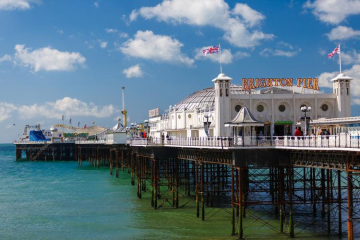
Brighton Palace Pier: The quintessential British seaside pier, complete with arcade games, fairground rides, candy floss (cotton candy), fish and chip stalls, and a traditional helter-skelter.
The Lanes: A labyrinth of narrow alleyways originally laid out in the fisherman’s village. Today, they are filled with independent boutiques, antique shops, jewellers, and cafes.
North Laine: Adjacent to The Lanes, this area is bohemian and eclectic, known for its independent record stores, vintage clothing shops, vegan cafes, and vibrant street art.
Brighton Beach: Unlike typical sandy beaches, Brighton’s shore is covered in pebbles. It’s a popular spot for sunbathing, swimming (for the brave), and people-watching.
Food & Drink in Brighton
Brighton’s food scene is famously diverse and vegetarian/vegan-friendly.
Fish and Chips: A must-try by the sea. Many shops offer sustainable fish options.
The Breakfast Club: For a hearty all-day breakfast or brunch to fuel a day of exploration.
Food Halls: Brighton Open Market and The Shelter Hall on the seafront offer a range of street food vendors under one roof.
Vegetarian & Vegan: Brighton is a haven for plant-based eating, with countless dedicated restaurants and cafes like Food for Friends.
Cocktail Bars: The city has a thriving cocktail scene, with many speakeasy-style bars hidden in The Lanes.
Transportation in Brighton
The city centre is very compact and walkable.
Walking: The best way to explore The Lanes, North Laine, and the seafront.
Buses: An efficient network connects all parts of the city and outlying areas.
Train: Brighton Station is a major hub with excellent connections to London (approx. 1 hour), Gatwick Airport (30 mins), and other coastal towns.
Bicycle: Brighton has a public bike-share scheme, making it easy to cycle along the seafront promenade.
Accommodation Tips for Brighton
Accommodation ranges from luxury hotels to quirky guesthouses.
Seafront: For classic sea views, stay in one of the hotels along the promenade. The Grand Brighton is an iconic option.
The Lanes/North Laine: Ideal for those who want to be in the heart of the shopping and dining scene.
Kemptown:A vibrant neighbourhood east of the city centre with a strong LGBTQ+ presence, known for its stylish B&Bs and cafes.
Crafting Your Itinerary
A suggested 5-day itinerary could be structured as follows:
Day 1-3: London. Dedicate these days to exploring the capital’s major sights. Use one day for Westminster (Buckingham Palace, Houses of Parliament), another for the City of London and South Bank (Tower of London, Tate Modern), and a third for museums like the British Museum or V&A.
Day 4: Day Trip to Seven Sisters & Brighton. Take an early train from London to Brighton. From Brighton station, take a connecting train or bus to Seaford for the Seven Sisters. Spend the morning hiking along the cliffs. In the afternoon, return to Brighton to explore The Lanes, have dinner, and experience the Palace Pier and i360 tower at night.
Day 5: Brighton & Return. Spend the morning visiting the Royal Pavilion and exploring North Laine. Enjoy a final lunch before taking the train back to London or onwards to your next destination.
Cultural Insights & Practical Advice
Tipping: In restaurants, a service charge of 12.5% is often added to the bill. If not, tipping 10-15% is customary for good service. Tipping in pubs is not expected. For taxis, it’s polite to round up the fare.
Weather:The British weather is famously changeable. Always carry a light waterproof jacket or umbrella, even on sunny days. Layers are key.
Queueing: The British take queueing (standing in line) very seriously. Always wait your turn patiently.
Chip & PIN / Contactless: Contactless payment is widely used across London and Brighton for everything from public transport to small purchases. It is often more convenient than cash.
Shopping Hours: Most shops are open from 9 am or 10 am to 6 pm or 7 pm. Sunday trading hours are usually shorter (11 am – 5 pm).
This journey from London’s urban grandeur to the raw natural beauty of the Seven Sisters and finally to Brighton’s creative energy provides a rich and varied taste of Southern England’s many charms.