The Ultimate American Southwest Road Trip: Los Angeles to the National Parks
This comprehensive travel guide details an epic road trip through the American Southwest, a journey that showcases the stunning diversity of the United States’ landscape. From the urban sprawl of Los Angeles to the otherworldly rock formations of Utah and Arizona, this itinerary is designed for travelers seeking adventure, natural beauty, and a deep connection with the great outdoors. The classic loop typically starts and ends in either Los Angeles or San Francisco, covering over 1,500 miles of iconic highways and breathtaking scenery.
Trip Overview and Logistics
This is a road trip at its core. The most practical and rewarding way to undertake this journey is by renting a car or, for larger groups, an RV. The total driving time is significant, often exceeding 30 hours, so planning for at least 10-14 days is recommended to fully appreciate each destination without feeling rushed. The best times to visit are during the spring (March to May) and fall (September to October) when temperatures are mild. Summers can be extremely hot, especially in the desert parks, and winters may bring snow and road closures at higher elevations.
Duration: 10-14 days minimum.
Distance: Approximately 1,500-1,800 miles (2,400-2,900 km).
Transportation: Personal or rental car is essential. Consider an SUV for comfort on potential unpaved roads.
Accommodation: A mix of city hotels, park lodges, and nearby motels. Book park lodgings months in advance.
Essential Items: Sunscreen, wide-brimmed hat, reusable water bottles (hydration is critical), comfortable hiking shoes, layers of clothing, national parks pass (“America the Beautiful” pass).
Chapter 1: Los Angeles, The Starting Point
The journey begins in Los Angeles, a vast metropolis known for its entertainment industry, diverse cultures, and sunny beaches. While not part of the natural wonders to come, it serves as a cultural launchpad.
Attractions
Santa Monica Pier & Beach: A classic endpoint for Route 66, featuring an amusement park, aquarium, and scenic views. It’s a perfect spot to feel the Pacific Ocean breeze before heading inland.
Hollywood: Visit the TCL Chinese Theatre to see celebrity handprints and the Hollywood Walk of Fame. For a better view of the iconic Hollywood Sign, head to Griffith Observatory, which also offers impressive exhibits and city vistas.
Beverly Hills: Drive down Rodeo Drive for a glimpse of luxury shopping and meticulously manicured streets.
The Getty Center: A world-class art museum with a stunning architectural design and beautiful gardens, offering panoramic views of LA.
Food Recommendations
LA’s food scene is incredibly diverse. Don’t miss out on:
Korean BBQ in Koreatown: An interactive dining experience where you grill your own meat at the table.
Gourmet Food Trucks: From fusion tacos to artisanal ice cream.
Fresh Seafood: Enjoy a meal at a restaurant in Marina del Rey or Malibu.
In-N-Out Burger: A California fast-food institution; try the “Animal Style” burger off the secret menu.
Transportation & Accommodation
Renting a car from Los Angeles International Airport (LAX) is the most convenient option. Traffic is notorious, so plan drives outside of peak hours (7-10 AM and 4-7 PM). Accommodation ranges from budget motels to luxury hotels in areas like Downtown LA, Hollywood, or Santa Monica.
Chapter 2: Las Vegas, Nevada – The Neon Oasis
The drive from LA to Las Vegas is approximately 4-5 hours via I-15 E. Las Vegas acts as a gateway to the national parks and is an experience in itself—a vibrant city of excess and entertainment built in the middle of the desert.
Attractions
The Las Vegas Strip: Walk along this famous boulevard to see elaborately themed hotels like the Bellagio (with its fountains), The Venetian (with its canals), and New York-New York (with its roller coaster).
Fremont Street Experience: Located in Downtown Vegas, this pedestrian mall features a massive LED canopy with light shows and live music, offering a more historic, albeit quirky, Vegas vibe.
A Show or Performance: From Cirque du Soleil to magic shows and headlining musical acts, Vegas is world-renowned for its entertainment.
Food Recommendations
Las Vegas is a culinary capital with options for every budget.
Buffets: Bacchanal Buffet at Caesars Palace is famous for its vast selection and high quality.
Celebrity Chef Restaurants: Gordon Ramsay’s Hell’s Kitchen, Joël Robuchon at MGM Grand.
Off-Strip Gems: Venture to Chinatown for excellent and diverse Asian cuisine.
Accommodation Tips
Staying on the Strip provides the quintessential Vegas experience. Resort fees are almost universal and not included in the initial quoted price. For a quieter stay, consider hotels off the Strip or in Downtown.
Chapter 3: The Mighty 5 & Beyond – Utah’s National Parks
Leaving Las Vegas, the landscape rapidly transforms from neon to Navajo Sandstone. This section of the trip focuses on the geological wonders of Southern Utah.
Bryce Canyon National Park
Driving from Las Vegas to Bryce Canyon takes about 4 hours. Bryce is not a canyon but a series of massive natural amphitheaters carved into the eastern edge of the Paunsaugunt Plateau. Its unique structures are called hoodoos—tall, thin spires of rock that create a surreal, labyrinthine landscape.
Must-See: Sunrise and sunset at Sunrise Point, Sunset Point, Inspiration Point, and Bryce Point are spectacular. The changing light paints the hoodoos in brilliant hues of orange, pink, and red.
Hiking: The Navajo Loop and Queens Garden Trail combination is a moderate 2.9-mile hike that descends into the amphitheater, allowing for an up-close experience with the hoodoos.
Accommodation: The Lodge at Bryce Canyon is the only in-park lodging and books out far in advance. Otherwise, stay in the nearby town of Bryce Canyon City.
Canyonlands National Park
A drive from Bryce to the Moab area (gateway to Canyonlands and Arches) is about 4.5 hours. Canyonlands is vast and divided into four districts by the Green and Colorado rivers. The most accessible and popular district is Island in the Sky.
Must-See (Island in the Sky): Mesa Arch at sunrise is a breathtaking sight, as the sun glows beneath the arch. Grand View Point Overlook provides a panoramic vista of countless canyons and the White Rim Road.
Hiking: The Grand View Point Trail is an easy 2-mile round trip along the canyon rim. For a more challenging hike, descend into the canyon on the Syncline Loop around Upheaval Dome.
Insight: This park feels more remote and rugged than its neighbor, Arches. It offers a profound sense of scale and solitude.
Arches National Park
Located just outside Moab, Arches contains over 2,000 natural stone arches, the highest density in the world. Timed entry reservations are often required from April to October.
Must-See: Delicate Arch, the state symbol of Utah. The hike to its base is a moderate 3-mile round trip with some steep sections; viewing it at sunset is a quintessential park experience. The Windows Section and Double Arch are also easily accessible and impressive.
Hiking: The Devils Garden Trailhead leads to multiple arches, including Landscape Arch, one of the longest in the world. The full Primitive Trail is a strenuous but rewarding 7.9-mile loop.
Food & Accommodation in Moab: Moab is a bustling adventure town with numerous restaurants, breweries (like Moab Brewery), and accommodation options from chain hotels to quirky motels. Book well in advance during peak season.
Chapter 4: The Iconic Landscapes of Arizona
The journey continues south from Utah into Arizona, home to some of the most photographed landscapes in the world.
Monument Valley Navajo Tribal Park
The drive from Moab to Monument Valley is about 2.5 hours. This is not a U.S. National Park but a tribal park located within the Navajo Nation Reservation. The towering red sandstone buttes rising from the flat desert floor are instantly recognizable from countless Western films.
The Scenic Drive: A 17-mile unpaved loop road (rough but manageable in a standard car driven carefully) takes visitors past iconic formations like the East and West Mitten Buttes and Merrick Butte.
Guided Tours: For a deeper cultural experience, take a guided tour with a Navajo guide who can provide access to restricted areas and share stories about the land’s history and significance.
Cultural Insight: Remember you are on sovereign Navajo land. Respect all signs and regulations. Purchasing crafts directly from local artisans supports the community.
Horseshoe Bend
A short drive from Page, Arizona, Horseshoe Bend is a dramatic incised meander of the Colorado River. From the parking lot, it’s a moderate 0.75-mile walk (each way) on a sandy path to the overlook. The view of the emerald green river 1,000 feet below, making a perfect horseshoe shape, is awe-inspiring. Visit early morning or late afternoon to avoid crowds and harsh shadows.
Lower Antelope Canyon
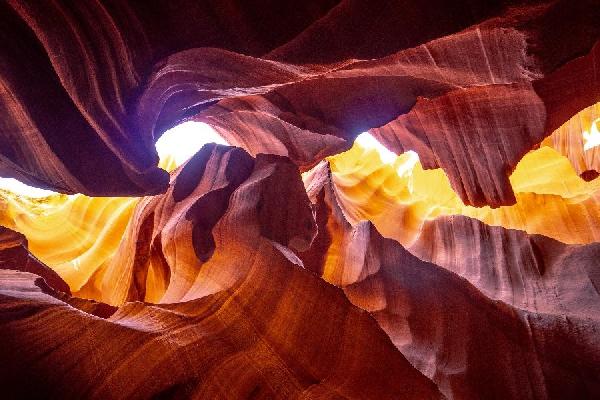
Also located near Page, Antelope Canyon is a slot canyon on Navajo land renowned for its wave-like structure and light beams that shine down into the narrow passages. Access is strictly through guided tours booked in advance.
Lower vs. Upper: Lower Antelope Canyon is less crowded than Upper Antelope Canyon. It requires navigating stairs and ladders down into the canyon, offering a more intimate and adventurous experience.
Photography: The light conditions change throughout the day. Midday often provides the best chance to see the famous light beams. A photography-focused tour may be worth it for serious photographers.
Grand Canyon National Park (South Rim)
The drive from Page to the South Rim is approximately 2.5 hours. The Grand Canyon needs no introduction; it is a vast, overwhelming spectacle of geological history. The South Rim is open year-round and offers the most services and viewpoints.
Must-See Viewpoints: Mather Point (often the first view for visitors), Yavapai Point (excellent for geology exhibits), and Hopi Point (renowned for sunset views). Driving or taking the free shuttle bus along Hermit Road provides access to several stunning overlooks.
Hiking: The Rim Trail is mostly paved and flat, perfect for casual walks. For a descent into the canyon, the Bright Angel Trail is popular but strenuous; remember that hiking down is optional, but hiking up is mandatory—turn around before you get too tired.
Accommodation: Stay in the park at historic lodges like El Tovar or Bright Angel Lodge for an immersive experience. The nearby town of Tusayan also offers hotels but requires driving or shuttling into the park.
The Return Journey: Options from Las Vegas
The drive from the Grand Canyon back to Las Vegas takes about 4.5 hours via I-40 W and US-93 S. This marks a logical point to conclude the loop if returning to Los Angeles (a further 4-hour drive). However, for those with more time, extending the trip to Northern California is highly recommended.
Option 1: Return to Los Angeles via Las Vegas
A straightforward drive on I-15 W. This allows for a final night in Las Vegas to relax after the national parks adventure before flying out of LAX.
Option 2: Continue to San Francisco
A longer but incredibly scenic extension. The drive from Las Vegas to San Francisco is approximately 8-9 hours. Breaking up the drive with a stop in Bishop or Lone Pine in the Eastern Sierra is advisable.
Sights En Route: Consider detours to Death Valley National Park (check for seasonal accessibility) or drive through the scenic Tioga Pass (CA-120) in Yosemite National Park (open only in summer and fall).
San Francisco Highlights: The Golden Gate Bridge, Alcatraz Island (book tickets far in advance), Fisherman’s Wharf, Chinatown, and riding a cable car.
Culinary Scene: San Francisco is a food lover’s paradise with its sourdough bread bowls with clam chowder, fresh Dungeness crab, and diverse offerings in neighborhoods like North Beach and the Mission District.
Flights out of San Francisco International Airport (SFO) connect to destinations worldwide.
Final Travel Tips
National Parks Pass: Purchasing the “America the Beautiful” annual pass for $80 will save money if visiting four or more national parks on this itinerary.
Hydration & Altitude: The dry desert air and high altitude (especially at Bryce Canyon, over 8,000 feet) demand constant hydration. Drink water consistently, not just when you feel thirsty.
Reservations: Beyond accommodation, many parks (like Arches) now require timed entry reservations. Book these as soon as your travel dates are confirmed.
Leave No Trace: Preserve the beauty of these natural spaces by packing out all trash, staying on designated trails, and not touching or carving on rock formations.
Cellular Service: Service is unreliable or non-existent in most national parks and remote areas. Download offline maps (Google Maps or Maps.me) and have a physical road atlas as a backup.
This road trip through the American Southwest is more than just a vacation; it’s an expedition through time and geology that leaves a lasting impression of nature’s power and artistry.