A Comprehensive Travel Guide to Kenya’s Premier Safari Circuit
This guide details a classic Kenyan safari loop, starting and ending in the bustling capital of Nairobi. This itinerary is designed to offer a rich and diverse experience, encompassing the world-renowned Maasai Mara, the flamingo-filled shores of Lake Nakuru, the tranquil beauty of Lake Naivasha, the unique, vehicle-free exploration of Hell’s Gate, and the iconic views of Mount Kilimanjaro from Amboseli. It provides practical information on attractions, cuisine, transport, accommodation, and cultural etiquette for travelers.
Nairobi: The Safari Capital
Nairobi, Kenya’s vibrant and dynamic capital, serves as the primary gateway for international travelers and the start and end point of this safari circuit. It is a city of contrasts, where modern skyscrapers stand alongside historical landmarks and urban wildlife sanctuaries.
Attractions
Nairobi National Park: A unique wildlife park located just 7 km from the city center. It offers the surreal experience of viewing lions, rhinos, giraffes, and zebras against a backdrop of the city skyline. The David Sheldrick Wildlife Trust, located within the park, is a must-visit for its elephant orphan rescue and rehabilitation program.
Giraffe Centre: A conservation center where visitors can interact closely with the endangered Rothschild’s giraffe, even feeding them from a raised platform.
Karen Blixen Museum: The former home of the author of “Out of Africa,” this museum offers a glimpse into Kenya’s colonial past and the life of the famous writer.
Kazuri Beads & Utamaduni Cultural Centre: Excellent places to purchase authentic Kenyan crafts, jewelry, and souvenirs while supporting local artisans.
Food Recommendations
Nairobi boasts a thriving culinary scene. For an authentic experience, try
Nyama Choma (grilled meat, often goat or beef) at a local restaurant like Carnivore. Ugali (a maize porridge) and Sukuma Wiki (collard greens) are Kenyan staples. The city also offers excellent international cuisine in areas like Westlands and Karen.
Transportation
Jomo Kenyatta International Airport (NBO) is the main international airport. Within the city, taxis and ride-hailing services like Uber and Bolt are convenient and safe. For day trips to nearby attractions, hiring a driver or booking a tour is recommended.
Accommodation Tips
Nairobi offers a wide range of accommodations, from luxury chains like the Sankara Nairobi and Villa Rosa Kempinski in Westlands to charming boutique hotels in the leafy suburb of Karen, such as Hemingways Nairobi.
Maasai Mara National Reserve
The Maasai Mara is arguably Kenya’s most famous wildlife reserve, an extension of Tanzania’s Serengeti. It is renowned for its high density of predators and the annual Great Migration, where millions of wildebeest, zebra, and gazelle cross the Mara River in a dramatic struggle for survival.
Attractions
The Great Migration: Typically occurs from July to October. Witnessing the river crossings is a breathtaking spectacle of nature.
Big Five Game Viewing: The Mara is home to lion, leopard, elephant, buffalo, and black rhino. Game drives at dawn and dusk offer the best chances for sightings.
Hot Air Balloon Safari: A magical experience that provides a bird’s-eye view of the vast plains and the wildlife below, often culminating with a champagne breakfast in the bush.
Maasai Cultural Visits: Visit a local Maasai Manyatta (village) to learn about their ancient culture, traditions, distinctive dress, and nomadic pastoralist lifestyle.
Food Recommendations
Meals are typically provided by your lodge or camp. They range from lavish buffets to bush breakfasts and sundowner snacks. The food is generally of high quality, featuring both international and some local Kenyan dishes.
Transportation
The drive from Nairobi to the Maasai Mara takes approximately 5-6 hours, with the final section often on rough dirt roads. Many travelers opt for a scheduled or chartered flight from Nairobi’s Wilson Airport to one of the several airstrips in the Mara, which takes about 45 minutes.
Accommodation Tips
Accommodation ranges from basic public campsites to ultra-luxurious tented camps. Luxury options include &Beyond Bateleur Camp and Governors’ Camp. Mid-range options like Mara Serena Safari Lodge are also excellent. Booking far in advance is crucial, especially during the migration season.
Cultural Insights
The Maasai people are an integral part of the region’s identity. When visiting a village, it is respectful to ask permission before taking photographs and to purchase handicrafts directly from the artisans. A guided visit is essential for an authentic and respectful experience.
Lake Nakuru National Park
Famous for its stunning flocks of flamingos that tinge the shoreline pink, Lake Nakuru National Park is a compact, fenced park offering diverse landscapes from the alkaline lake to wooded grasslands and rocky cliffs.
Attractions
Flamingo Viewing: While numbers fluctuate with water levels, the sight of thousands (sometimes millions) of lesser and greater flamingos is iconic.
Rhino Sanctuary: The park is a designated rhino sanctuary and is one of the best places in Kenya to see both the endangered black rhino and the white rhino.
Other Wildlife: Home to Rothschild’s giraffe, waterbuck, lions, leopards, and large pythons. The Baboon Cliff offers a spectacular panoramic view of the entire lake.
Food & Accommodation
The town of Nakuru offers various restaurants, but most visitors dine at their lodge. Sarova Lion Hill Game Lodge and Lake Nakuru Lodge are popular choices located within the park with beautiful views.
Transportation
The drive from the Maasai Mara to Lake Nakuru takes about 4-5 hours. The park has a well-maintained network of roads suitable for standard safari vehicles.
Lake Naivasha
A freshwater lake and a tranquil respite from more intense game viewing, Lake Naivasha is known for its birdlife and serene beauty. It is a haven for hippos and over 400 species of birds.
Attractions
Boat Rides: A boat trip on the lake is essential. It allows for close-up views of hippos, fish eagles, and other waterbirds. You can also visit Crescent Island Sanctuary.
Crescent Island: A private sanctuary you can walk on, offering a rare opportunity for a walking safari among giraffes, zebras, and antelopes with no predators present.
Elsamere Conservation Centre: The former home of Joy and George Adamson (of “Born Free” fame), now a museum and conservation center serving delicious tea and cake.
Food & Accommodation
Lakeside lodges like Lake Naivasha Sopa Resort or Loldia House offer excellent dining with lake views. The country clubs in the area also have good restaurants.
Transportation
Lake Naivasha is about a 1.5-hour drive from Lake Nakuru. It’s a convenient stopover before heading to Hell’s Gate National Park, which is just next door.
Hell’s Gate National Park
This park is unique for its dramatic scenery of towering cliffs, deep gorges, and geothermal steam vents. Its most distinctive feature is that it allows exploration on foot or by bicycle, offering a thrillingly intimate safari experience.
Attractions
Cycling and Walking Safaris: Rent a bicycle at the park gate and cycle among zebras, giraffes, buffalo, and antelopes. Walking through the park provides a profound connection to the landscape.
Fischer’s Tower and Hell’s Gate Gorge: These dramatic geological formations are the park’s centerpieces. Guided walks through the narrow gorge are spectacular.
Olkaria Geothermal Spa: Located near the park, it offers a chance to swim in pools fed by naturally heated geothermal water.
Practical Information
As you are on foot or bike, it’s crucial to maintain a safe distance from wildlife, especially buffalo. A guide is highly recommended for the gorge walk to ensure safety and provide geological insights. There are no predators to worry about, which makes these activities possible.
Amboseli National Park
Famous for its spectacular backdrop of Mount Kilimanjaro, Africa’s highest peak, Amboseli National Park is a land of giants. It is renowned for its large elephant herds and offers some of the best photographic opportunities in Africa.
Attractions
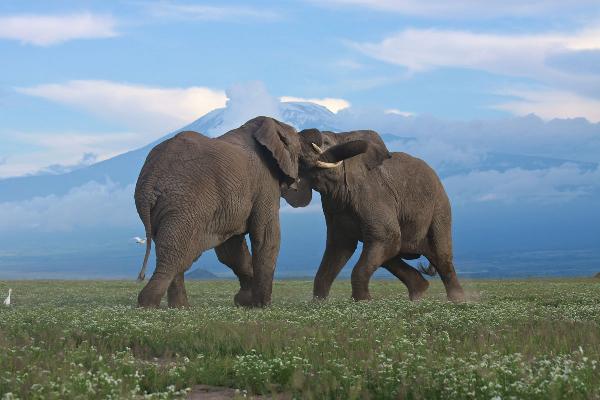
Views of Mount Kilimanjaro: The sight of elephants marching across the plains with the snow-capped peak of Kilimanjaro in the background is an iconic African image. The best views are at dawn and dusk when the skies are clear.
Elephant Research Camp: Amboseli is home to one of the longest-running elephant research projects in the world. Learn about these magnificent creatures from the guides who are often connected to the research.
Observation Hill: A vantage point that provides a 360-degree view of the park’s swamps and plains, teeming with wildlife.
Cultural Interaction with the Maasai: Similar to the Mara, opportunities exist to learn about the local Maasai culture.
Food & Accommodation
Lodges such as Amboseli Serena Safari Lodge, Tortilis Camp, and Ol Tukai Lodge offer stunning views of Kilimanjaro and provide full-board accommodation with high-quality meals.
Transportation
The drive from Naivasha/Hell’s Gate to Amboseli takes approximately 5-6 hours. Alternatively, flights connect Nairobi or the Mara to Amboseli’s airstrip. Within the park, the roads can be dusty but are generally manageable.
The Return to Nairobi
The drive from Amboseli back to Nairobi typically takes about 4-5 hours, depending on traffic. This marks the end of an epic safari circuit. Travelers can spend their final evening in Nairobi enjoying a farewell dinner or doing some last-minute souvenir shopping at city markets before departing from Jomo Kenyatta International Airport.
Safari Planning Essentials
Best Time to Visit: The dry seasons (June to October and January to February) are ideal for wildlife viewing as animals gather around water sources. The Great Migration in the Mara is best from July to October.
Safari Vehicle: A 4×4 vehicle with a pop-up roof is essential for game viewing. Most travelers book a package that includes a vehicle and driver-guide.
Health & Safety: Consult a travel clinic for recommended vaccinations (e.g., Yellow Fever) and malaria prophylaxis. Drink only bottled or purified water.
Packing List: Pack neutral-colored clothing (khaki, green, beige), a warm jacket for cool mornings, binoculars, a high-quality camera, sunscreen, insect repellent, and a good hat.
Tipping: Tipping your driver-guide and lodge staff is customary. Guidelines vary, but it’s best to ask your tour operator for current standards.
A journey through this classic Kenyan circuit offers an unparalleled immersion into the wild heart of Africa. From the thunderous hooves of the wildebeest migration to the silent grace of a giraffe against Kilimanjaro, it is a trip that creates memories to last a lifetime.