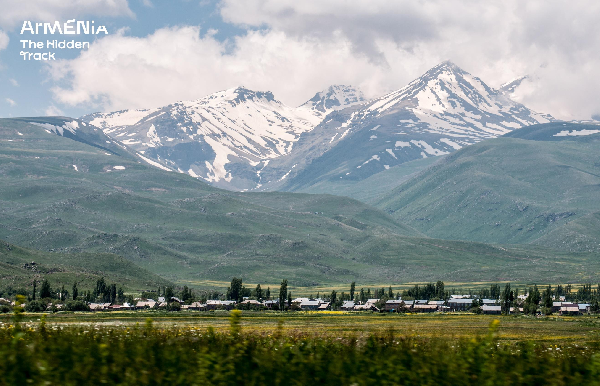
A Comprehensive Travel Guide: Georgia & Armenia Adventure
This guide details a classic overland route through the heart of the South Caucasus, connecting the vibrant capitals and historic regions of Georgia and Armenia. The journey from Tbilisi to Yerevan traverses dramatic mountain landscapes, ancient monasteries, and renowned wine country, offering a deep dive into the unique cultures of these two fascinating nations.
Introduction to the Route: Tbilisi to Yerevan
The itinerary covers a rich tapestry of experiences: the eclectic architecture of Tbilisi, the spiritual heart of Georgia at Mtskheta, the breathtaking Caucasus peaks near Stepantsminda, the vibrant wine region of Kakheti (Sighnaghi and Kvareli), the cross-border journey into Armenia, and the profound historical and religious sites culminating in the dynamic capital of Yerevan. Travelers can expect a journey filled with stunning scenery, millennia of history, and renowned hospitality.
Part 1: Georgia
Tbilisi: The Eclectic Capital
Tbilisi, the capital of Georgia, is a city of dramatic contrasts, where cobblestoned old towns sit beneath modern architectural marvels. Its name derives from the word ‘tbili’ (warm), a reference to the area’s natural sulfuric hot springs.
Key Attractions
Narikala Fortress: This ancient fortress overlooks the Old Town. The best way to reach it is via the cable car from Rike Park, which offers panoramic views of the city. The nearby “Mother of Georgia” statue (Kartlis Deda) is a symbol of the Georgian spirit.
Old Town (Altstadt): A maze of narrow, winding streets, colorful wooden balconies, and hidden courtyards. Key sites include the Sioni Cathedral and the Anchiskhati Basilica.
Sulfur Baths (Abanotubani): The iconic domed bathhouses are a must-experience. Visitors can rent private rooms for a soak in the warm, sulfur-rich waters.
Rustaveli Avenue: The city’s main thoroughfare, lined with shops, cafes, theaters, and museums like the Georgian National Museum.
Chronicle of Georgia: A monumental Soviet-era sculpture complex on a hill overlooking the Tbilisi Sea, often called “Georgia’s Stonehenge.”
Food & Drink
Khinkali: Juicy soup dumplings, a Georgian staple. Eat them by holding the knot, taking a small bite to sip the broth, then consuming the rest.
Khachapuri: Cheese-filled bread. The Adjarian version (Acharuli), topped with a raw egg and butter, is particularly famous.
Wine: Georgia is the cradle of wine, with a 8,000-year history of winemaking in traditional clay vessels called Qvevri. Sample Saperavi (red) and Rkatsiteli (white).
Transportation & Accommodation
Tbilisi is easily navigated on foot in the center, with a cheap and efficient metro system for longer distances. Taxis via Bolt or Yandex are very affordable. Accommodation ranges from boutique hotels in the Old Town to modern hostels and international chains.
Mtskheta: The Spiritual Heart
Just a 20-minute drive north of Tbilisi, Mtskheta is the ancient capital and the most sacred city of Georgia. It is a UNESCO World Heritage site.
Key Attractions
Svetitskhoveli Cathedral: The country’s main cathedral and the burial site of Christ’s mantle. A masterpiece of medieval Georgian architecture.
Jvari Monastery: Perched on a hilltop overlooking the confluence of the Mtkvari and Aragvi rivers, this 6th-century monastery offers one of the most iconic views in Georgia.
Stepantsminda (Kazbegi): In the Shadow of the High Caucasus
A scenic 3-hour drive north from Tbilisi along the Military Highway leads to Stepantsminda, a town famed for its dramatic mountain scenery.
Key Attractions
Gergeti Trinity Church: The poster image of Georgia, this 14th-century church sits isolated on a hilltop at 2,170 meters, with Mount Kazbek (5,047m) as a stunning backdrop. A 4×4 vehicle is required for the final ascent.
Dariali Gorge: A dramatic, narrow gorge along the Russian border, perfect for hiking.
Transportation & Accommodation
Marshrutkas (minibuses) run regularly from Tbilisi’s Didube station. Guesthouses and small hotels are plentiful in Stepantsminda, offering warm hospitality and home-cooked meals.
Sighnaghi & Kvareli: The Heart of Georgian Wine
The Kakheti region is Georgia’s premier wine-producing area. Sighnaghi and Kvareli are its two most famous towns.
Key Attractions
Sighnaghi: Known as the “City of Love,” this charming hilltop town is surrounded by preserved defensive walls. It offers stunning views of the Alazani Valley and the Caucasus mountains. Visit the Bodbe Monastery, a pilgrimage site housing the grave of St. Nino.
Kvareli: A town deep in wine country. The main attraction is the Khareba Winery, housed in a tunnel complex carved into a mountain. Another notable stop is the Kindzmarauli Corporation for sweet red wine tasting.
Food & Drink
This is the place for wine tours and tastings. Pair your wine with traditional Kakhetian dishes like Mtsvadi (shashlik), grilled meats, and various churchkhela (walnuts threaded on a string and coated in concentrated grape juice).
Crossing the Border: Sadakhlo (GE) – Bagratashen (AM)
The Sadakhlo-Bagratashen border crossing is one of the main land routes between Georgia and Armenia. The process is generally straightforward for most nationalities.
Transportation: Direct marshrutkas run from Tbilisi’s Ortachala Bus Station to Yerevan. Alternatively, one can take a marshrutka to the border, walk across, and then find another marshrutka or taxi on the Armenian side to Alaverdi or Dilijan.
Tips: Have your passport and any necessary visas ready. Currency exchange is available at the border, but rates may not be optimal. It’s best to have some Armenian Dram (AMD) for immediate expenses upon entering Armenia.
Part 2: Armenia
Alaverdi & Haghpat/Sanahin Monasteries
The first major stop in northern Armenia is the Debed River Canyon, an area rich in history and industry.
Key Attractions
Haghpat Monastery & Sanahin Monastery: Both are UNESCO World Heritage sites, perched on plateaus overlooking the Debed Canyon. These 10th-century monastic complexes are masterpieces of medieval Armenian architecture.
The Town of Alaverdi: A Soviet-era industrial town with a unique, post-industrial atmosphere contrasting with the ancient monasteries above.
Dilijan: The “Little Switzerland” of Armenia
A scenic drive south leads to Dilijan National Park, a region known for its lush forests, alpine meadows, and fresh air.
Key Attractions
Old Dilijan Complex: A charmingly restored street in the town center that recreates the look of an old Armenian trade street with workshops and cafes.
Haghartsin Monastery: A 13th-century monastery hidden deep in the forest, offering a serene and mystical atmosphere.
Lake Parz & Goshavank Monastery: Beautiful lake for boating and hiking, and another significant monastery complex nearby.
Accommodation
Dilijan has a great selection of guesthouses, B&Bs, and even luxury hotels like the Tufenkian Avan Dzoraget Hotel located slightly north near Alaverdi.
Yerevan: The Pink City
The capital of Armenia, Yerevan, is one of the oldest continuously inhabited cities in the world. Built from pink-hued tuff stone, it has a vibrant and youthful energy.
Key Attractions
Republic Square: The grand central square, surrounded by impressive government buildings and the History Museum of Armenia. The musical fountain show in the evening is a major attraction.
Cascade Complex: A massive limestone staircase linking downtown Yerevan with the Monument neighborhood. It houses the Cafesjian Center for the Arts inside and offers spectacular views of Mount Ararat from the top.
Matenadaran: A world-renowned repository of ancient manuscripts and books.
Vernissage Market: A large open-air market perfect for buying souvenirs, carpets, and handicrafts (open weekends).
Genocide Memorial & Museum (Tsitsernakaberd): A solemn and moving tribute to the victims of the Armenian Genocide.
Food & Drink
Khorovats: Armenian barbecue, often pork or lamb, grilled over embers.
Lavash: Thin, soft flatbread, a UNESCO Intangible Cultural Heritage item.
Dolma: Grape leaves stuffed with minced meat and rice.
Cognac: Armenian brandy, particularly from the Ararat brandy factory, is world-famous. A factory tour is highly recommended.
Day Trips from Yerevan
Ejmiatsin & Zvartnots
A short trip west of Yerevan takes you to the spiritual center of Armenia.
Ejmiatsin Cathedral: The mother church of the Armenian Apostolic Church and one of the oldest cathedrals in the world. It is a UNESCO World Heritage site.
Zvartnots Cathedral: The magnificent ruins of a 7th-century circular cathedral located near the airport, also a UNESCO site.
The Majesty of Mount Ararat
Although now located in Turkey, Mount Ararat is the national symbol of Armenia and dominates the skyline southwest of Yerevan. The best views are from the Khor Virap monastery, which is dramatically situated against the backdrop of the mountain. This is also where St. Gregory the Illuminator was imprisoned before converting Armenia to Christianity.
The Kotayk Region: Garni & Geghard
A trip to this region showcases Armenia’s pre-Christian and Christian heritage side-by-side.
Garni Temple: A perfectly preserved Hellenistic-style pagan temple from the 1st century AD, dedicated to the sun god Mihr.
Geghard Monastery: A UNESCO World Heritage site, this monastery is partially carved out of the adjacent mountain. Its full name, Geghardavank, means “Monastery of the Spear,” referring to the spear that wounded Jesus at the crucifixion, which was once housed here.
Symphony of Stones (Garni Gorge): Impressive basalt column formations located in the gorge near Garni Temple.
Cultural Insights & Practical Tips
Cuisine Differences
Georgia: Food is often more herb-heavy (tarragon, cilantro) and features unique cheese-filled breads (khachapuri) and soup dumplings (khinkali).
Armenia: Cuisine relies heavily on grilled meats (khorovats), flatbreads (lavash), and stuffed vegetables/leaves (dolma). Both have superb wine traditions.
Coffee Culture
Tbilisi: Known for its trendy, European-style coffee shops.
Yerevan:The culture revolves more around traditional Armenian coffee—finely ground, strong, and often served sweet.
Taxis & Negotiation
Taxis are inexpensive in both countries. In Georgia, use apps like Bolt for fixed fares. In Armenia outside Yerevan, negotiate the price before getting in. For long-distance trips like Alaverdi to Dilijan or Dilijan to Yerevan, marshrutkas are available but hiring a private driver for flexibility is highly recommended and relatively affordable for small groups.
Souvenirs
Georgia: Qvevri wine horns (kantsi), Georgian tea, churchkhela, enamelwork (cloisonné).
Armenia: Armenian carpets, cognac, pomegranate-related products, obsidian carvings.
A Note on Itinerary Planning
A comfortable pace for this entire route would be 10-14 days. A sample breakdown could be: Tbilisi (3 nights), Stepantsminda (1 night), Sighnaghi/Kvareli (1-2 nights), Alaverdi/Dilijan (1-2 nights), Yerevan (4 nights with day trips). This allows for deep exploration without being overly rushed. Both countries offer visa-free or visa-on-arrival access for many nationalities, but travelers should always check current regulations before departure.