A Comprehensive Travel Guide to Belgrade, Serbia
Belgrade, the vibrant capital of Serbia, is a city where history and modernity collide. Situated at the confluence of the Danube and Sava rivers, it has been a crossroads of civilizations for centuries. This guide provides an in-depth look at Belgrade, focusing on key attractions like the City Hall, the Jewish Synagogue, Palić Lake, and local wineries, alongside practical information for a memorable visit.
Introduction to Belgrade
Belgrade, or ‘Beograd’ (White City), is one of Europe’s oldest cities, with a history stretching back over 7,000 years. It serves as the political, economic, and cultural heart of Serbia. Visitors are often struck by its dynamic energy, visible in its bustling kafanas (traditional taverns), vibrant nightlife, and a rich tapestry of architectural styles that tell the story of its Ottoman, Austro-Hungarian, and socialist past.
Main Attractions
Belgrade City Hall (The Old Court)
Located in the heart of the city at Andrićev venac, the building known to many as the City Hall is actually the former Royal Palace, or The Old Court (Stari dvor). It was the residence of the Obrenović dynasty and now houses the City Assembly of Belgrade. This majestic building, completed in 1884, is a prime example of Serbian-Byzantine architecture with Renaissance elements.
Architecture & History: Designed by Aleksandar Bugarski, the palace has witnessed pivotal moments in Serbian history. Although it is not generally open for casual public tours, its impressive exterior and the surrounding gardens are a must-see. The building faces the New Palace (Novi dvor), which is the current seat of the President of Serbia, creating a striking architectural ensemble.
Visitor Information: The best way to appreciate this landmark is from the outside as part of a walking tour of the city’s political and historical center. The nearby Pioneer’s Park (Pionirski park) offers a pleasant green space for a stroll.
Location & Access: Easily accessible on foot from Terazije or Republic Square. Trams and buses frequently pass through this central area.
Belgrade Synagogue (The Sukkat Shalom Synagogue)
The Belgrade Synagogue, known as Sukkat Shalom, is the only active synagogue in the city and one of the few remaining in Serbia. It stands as a poignant testament to the once-thriving Jewish community of Belgrade, which was tragically decimated during World War II.
History & Significance: Located on Marsala Birjuzova street, it was built in 1925 in the Secessionist (Art Nouveau) style. The building survived the Nazi occupation because it was used as a warehouse and a brothel. Today, it serves a small but resilient community and includes a Jewish museum.
Visiting the Synagogue: Visitors are welcome, but it is essential to dress modestly and check visiting hours in advance, especially around Jewish holidays. Security is present but discreet. The interior is beautifully adorned, and the museum offers deep insights into the history of Serbian Jews.
Cultural Insight: A visit here is a moving experience that highlights a significant part of Balkan history. It is recommended to combine it with a visit to the nearby Bajrakli Mosque, showcasing Belgrade’s multi-confessional heritage.
Palić Lake
For a break from the urban energy of Belgrade, a day trip to Palić Lake in northern Serbia is highly recommended. Located near the city of Subotica, about 200 km from Belgrade, Palić is a serene oasis known for its therapeutic waters, Art Nouveau architecture, and family-friendly attractions.
Attractions at Palić:
The Lake and Beach: Enjoy swimming, pedal boating, or a leisurely walk or bike ride along the 17-kilometer path that circles the lake.
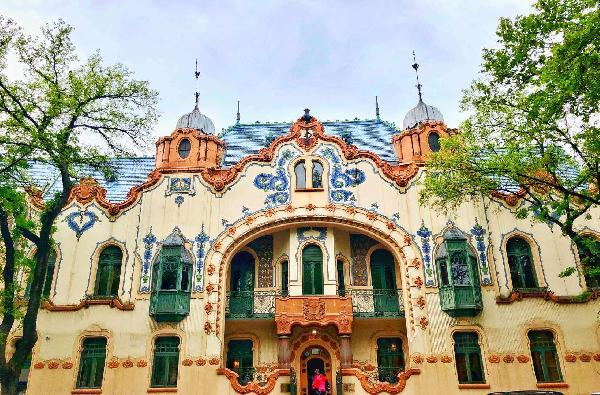
Art Nouveau Architecture: Don’t miss the magnificent Water Tower, the Great Terrace, and the Women’s Lido, all exquisite examples of Secessionist style from the early 20th century.
Zoo and Eco-Center: Palić Zoo is one of the oldest in Europe, and the Eco-Center protects unique wetland habitats.
Transportation from Belgrade: The most efficient way to reach Palić is by car via the E75 highway (approx. 2-2.5 hours). Alternatively, regular buses depart from Belgrade’s main bus station to Subotica; from there, a local bus or taxi can take you to the lake.
Best Time to Visit: Late spring through early autumn is ideal. The Palić Film Festival and Palić Music Festival in July add a vibrant cultural dimension to a visit.
Wineries Near Belgrade
Serbia has a burgeoning wine scene with a history dating back to Roman times. The region around Belgrade, particularly Šumadija and Fruška Gora, is home to numerous family-run wineries offering authentic experiences.
Recommended Wine Regions & Wineries:
Fruška Gora National Park: Known as “Serbia’s Holy Mountain,” this area is famous for its Bermet, a dessert wine historically served on the Titanic. Wineries like Živanović and Kiš offer tours and tastings, often paired with local prosciutto and cheese.
Šumadija Region: South of Belgrade, this rolling hill region is known for its indigenous varieties like Tamjanika and Prokupac. Aleksandrović Winery in Topola is a renowned producer with state-of-the-art facilities.
Oplenac: In Topola, visit the Oplenac Royal Complex, which includes the stunning St. George’s Church with mosaics made from over 40 million pieces of colored glass. Combine this with a visit to a local winery for a perfect day trip.
Wine Tours: Many tour operators in Belgrade organize day trips to these wineries, handling transportation and reservations, which are often mandatory.
Cultural Insight: Serbian wine culture is deeply social. Expect a warm welcome, generous pours, and toasts with “Živeli!” (Cheers!).
Culinary Journey: Food and Drink Recommendations
Serbian cuisine is hearty, flavorful, and influenced by its Central European, Ottoman, and Mediterranean neighbors. Meat, bread, and dairy are staples.
Must-Try Dishes:
Ćevapi: Small grilled minced meat sausages, usually served with somun (flatbread), chopped onions, and kajmak (a creamy dairy product). Try them at Ćevabdžinica Sarajevo.
Pljeskavica: A large, spiced meat patty often considered Serbia’s national dish. The “burger” version with toppings in a lepinja (bread) is a popular street food.
Sarma: Cabbage rolls stuffed with minced meat and rice, slow-cooked to perfection, especially popular in winter.
Karađorđeva Šnicla: A rolled veal or pork steak stuffed with kajmak, breaded, and fried, typically served with potato salad.
Ajvar: A roasted red pepper and eggplant relish, a ubiquitous condiment.
Where to Eat:
Kafanas: For an authentic experience, visit a traditional kafana like Znak Pitanja (The Question Mark), the oldest in Belgrade, or Dva Jelena (Two Deer) in Skadarlija, the city’s bohemian quarter.
Skadarlija: This cobblestone street is lined with restaurants offering live traditional music (starogradska muzika) and classic Serbian fare.
Betonski Hladnjak / Savamala District: For a more contemporary and trendy vibe, this area offers modern Balkan fusion restaurants and lively bars.
Drinks: Besides wine, be sure to try rakija, a potent fruit brandy (slivovitz, made from plums, is the most famous). Serbian coffee, similar to Turkish coffee, is a cultural ritual.
Transportation: Getting Around Belgrade and Beyond
Arriving in Belgrade:
By Air: Nikola Tesla Airport (BEG) is about 18 km west of the city center. Take the A1 minibus or public bus line 72 to Slavija Square. Taxis are available; use official services or apps like Car:Go to avoid overcharging.
By Train/Bus: The main train (Prokop) and bus stations are located close to each other. The bus station has excellent connections to other Balkan and European cities.
Public Transportation within Belgrade:
- The system includes buses, trams, and trolleybuses. Purchase a BusPlus card at kiosks to tap on and off vehicles. Single-use tickets are also available but less convenient.
- Taxis are relatively inexpensive. Always insist on the meter or agree on a price beforehand.
- Walking is the best way to explore the city center, Kalemegdan Fortress, and Skadarlija.
Day Trips: For trips to Palić Lake or wineries, renting a car provides the most flexibility. Alternatively, use intercity buses or organized tours.
Accommodation Tips
Belgrade offers a wide range of accommodation to suit all budgets.
Neighborhoods to Consider:
Stari Grad (Old City): Ideal for first-time visitors. You’ll be within walking distance of Knez Mihailova Street, Kalemegdan Fortress, and Skadarlija. Expect a bustling atmosphere.
Vračar:A more residential and quieter area, home to the stunning Saint Sava Temple and the Nikola Tesla Museum. Well-connected by public transport.
Savamala:The city’s creative and nightlife hub, located near the Sava river. Best for younger travelers seeking a trendy, artistic vibe with numerous clubs and bars.
Novi Beograd (New Belgrade):A modern district across the Sava River with many business hotels, blocks (blokovi), and access to the Ušće Shopping Center and Ada Ciganlija island.
Types of Accommodation: Options range from international hotel chains and boutique hotels in converted old buildings to hostels and private apartments rented through platforms like Airbnb.
Cultural Insights and Etiquette
Understanding local customs will enrich your travel experience.
Social Etiquette: Serbians are generally very hospitable and direct. A firm handshake with eye contact is a common greeting. It is polite to bring a small gift, such as flowers or wine, if invited to someone’s home.
Café Culture: Spending hours in a café (kafić) is a national pastime. It’s a place for socializing, business meetings, and relaxing. Don’t be surprised by the slow pace.
Tipping: Tipping is appreciated but not always mandatory. In restaurants, rounding up the bill or leaving 5-10% is standard practice for good service.
Shopping: For unique souvenirs, look beyond typical trinkets. Consider ajvar, slatko (fruit preserves), traditional handicrafts like opanci (peasant shoes), or products from local designers.
Sensitive Topics: Be mindful that recent history, including the 1990s conflicts and NATO bombing, can be sensitive subjects for some. It’s best to let locals broach these topics first.
A Sample 3-Day Itinerary
Day 1: Historic Core & Bohemian Spirit
- Morning: Walk down Knez Mihailova Street towards Kalemegdan Fortress. Explore the fortress and enjoy panoramic views of the rivers.
- Afternoon: Visit the Belgrade City Hall area and Republic Square. Explore the Belgrade Synagogue (book in advance).
- Evening: Dine in Skadarlija for traditional music and food at a kafana like “Tri Šešira” (Three Hats).
Day 2: Culture & Modern Energy
- Morning: Visit the monumental Saint Sava Temple in Vračar. Afterwards, explore the Nikola Tesla Museum with its interactive exhibits.
- Afternoon: Stroll through the Nikola Pašić Square and Pioneer’s Park. Consider visiting the National Museum if time allows.
- Evening: Experience Belgrade’s famous nightlife. Start with a drink at a bar in Betonski Hladnjak or take a splavovi (river barge club) cruise on the Sava/Danube.
Day 3: Day Trip – Nature or Wine
Option A (Nature & Architecture): Take a day trip to Palić Lake. Enjoy the lake, admire the Art Nouveau buildings, and visit the zoo.
Option B (Wine & Royalty): Join a wine tour to the Šumadija region. Visit the Oplenac Royal Complex and enjoy tastings at one or two local wineries.
Conclusion
Belgrade is a city that rewards the curious traveler. It is not always immediately polished like some Western European capitals, but its raw energy, deep history, incredible food, and overwhelming hospitality make it an unforgettable destination. From exploring ancient fortresses and poignant historical sites to enjoying world-class wine and vibrant nightlife on the river, Belgrade offers a rich and diverse experience that captures the resilient and passionate spirit of Serbia itself.