A Comprehensive Travel Guide: San Francisco, Yosemite, and Sequoia National Parks Loop
This guide details a classic California road trip loop, taking travelers from the vibrant urban landscape of San Francisco to the towering granite cliffs of Yosemite Valley and the ancient, colossal trees of Sequoia National Park. This journey offers a remarkable contrast of experiences, showcasing the diverse natural beauty and cultural richness of Northern and Central California. A well-planned itinerary is essential for making the most of this adventure, which typically spans 5 to 7 days.
Trip Overview and Itinerary Planning
The route forms a rough loop, beginning and ending in San Francisco. The total driving distance is approximately 450-500 miles (720-800 km), depending on specific routes and destinations within the parks. The most logical progression is to visit Yosemite National Park first, followed by Sequoia & Kings Canyon National Parks, before returning to the Bay Area. This sequence allows for a gradual transition from iconic valley landscapes to the grandeur of giant sequoia groves.
Recommended Duration: 5-7 days minimum. This allows for 1-2 days in San Francisco, 2-3 days in Yosemite, and 1-2 days in Sequoia & Kings Canyon.
Best Time to Visit:
Late Spring (May-June): Ideal. Waterfalls in Yosemite are at their peak, snow has melted from most roads (like Tioga Pass), and summer crowds have not yet arrived.
Fall (September-October): Excellent. Pleasant weather, fewer crowds, and beautiful autumn colors.
Summer (July-August): Crowded but accessible. All park services and roads are open. Reservations are mandatory for nearly everything.
Winter (November-April): Yosemite Valley is open and magical, but some roads (Tioga, Glacier Point) are closed. Sequoia is accessible, but chains for tires are often required.
Essential Reservations: For summer travel, secure lodging and camping reservations many months in advance. A reservation is also required to drive into Yosemite National Park during peak hours for much of the year. Check the National Park Service websites for the latest details.
Part 1: San Francisco – The Gateway City
San Francisco, a compact and culturally rich city perched on a series of hills, serves as the perfect start and end point for this journey. Known for its iconic landmarks, diverse neighborhoods, and innovative food scene, it offers a stark contrast to the natural wonders that follow.
Key Attractions in San Francisco
Golden Gate Bridge: No visit is complete without walking, biking, or simply viewing this international icon. The viewpoints from Crissy Field (east) and Battery Spencer (north) offer spectacular perspectives.
Fisherman’s Wharf & Pier 39: A bustling tourist area known for its sea lions, souvenir shops, and views of Alcatraz Island. Booking an Alcatraz tour well in advance is highly recommended.
Alcatraz Island: The infamous former federal prison offers a fascinating glimpse into American history. The audio tour, featuring voices of former inmates and guards, is exceptionally well-produced.
Chinatown: The oldest and one of the largest Chinatowns in North America. Explore its vibrant streets, markets, and authentic restaurants.
Cable Cars: A moving National Historic Landmark, the cable cars are both a practical way to navigate the city’s steep hills and a quintessential San Francisco experience.
Golden Gate Park: Larger than New York’s Central Park, it houses the California Academy of Sciences, the de Young Museum, the Japanese Tea Garden, and serene Stow Lake.
Food & Drink in San Francisco
San Francisco is a food lover’s paradise, renowned for its fresh ingredients and culinary innovation.
Sourdough Bread: Sample the city’s signature bread at Boudin Bakery or other local bakeries, often served in a clam chowder bread bowl at Fisherman’s Wharf.
Mission-Style Burritos: Originating in the Mission District, these massive, foil-wrapped burritos are a must-try. Taqueria La Cumbre or El Farolito are local institutions.
Seafood: Enjoy fresh Dungeness crab at Swan Oyster Depot or Sotto Mare.
Farm-to-Table Cuisine: The city’s restaurants pride themselves on using local, seasonal produce. Chez Panisse in nearby Berkeley is the pioneer of this movement.
Coffee Culture: Explore the city’s excellent third-wave coffee scene at roasteries like Blue Bottle Coffee or Sightglass Coffee.
Transportation in San Francisco
It is advisable to explore the city using public transportation before picking up a rental car for the national parks leg of the trip.
BART & Muni: The Bay Area Rapid Transit (BART) system connects the airport to downtown. The Muni system includes buses, streetcars, and the famous cable cars, covering most of the city.
Cable Cars: A fun but slow and expensive way to travel. Best used for short, scenic trips.
Rideshare & Taxis: Uber and Lyft are widely available.
Rental Car: Pick up your car on the day you depart for Yosemite. Parking in SF is difficult and expensive.
Accommodation Tips for San Francisco
Neighborhood choice greatly impacts the experience. Union Square is central for shopping and transit; Fisherman’s Wharf is touristy but convenient for attractions; North Beach and the Mission offer more local character.
Part 2: Yosemite National Park – The Incomparable Valley
The drive from San Francisco to Yosemite Valley takes approximately 3.5 to 4.5 hours via CA-120 or CA-140. Yosemite National Park is a UNESCO World Heritage site celebrated for its breathtaking granite cliffs, waterfalls, clear streams, and giant sequoia groves.
Key Attractions in Yosemite
Yosemite Valley: The heart of the park. Here you will find El Capitan, Half Dome, Bridalveil Fall, and Yosemite Falls. The free shuttle bus is the best way to get around the congested valley floor.
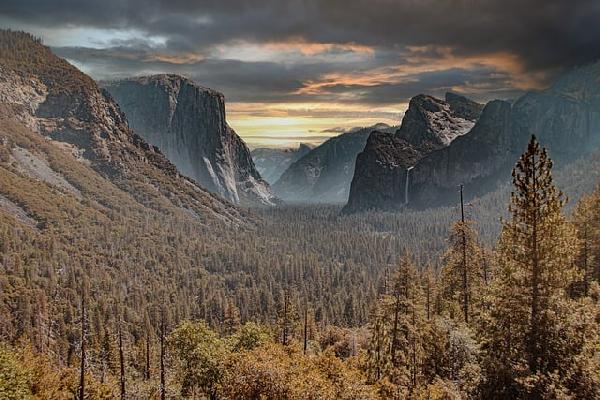
Tunnel View: The iconic viewpoint, made famous by Ansel Adams’ photographs, offering a stunning panorama of El Capitan, Bridalveil Fall, and Half Dome.
Glacier Point: Offers a breathtaking bird’s-eye view of Yosemite Valley and the High Sierra peaks. Accessible by car in summer; check for road closures in winter.
Mariposa Grove: Home to over 500 mature giant sequoias, including the famous Grizzly Giant and California Tunnel Tree. Located near the South Entrance.
Tuolumne Meadows: A vast, subalpine meadow on Tioga Road (CA-120 East) offering high-country hiking and stunning scenery. Open only in summer and fall.
Hiking Trails: Options range from easy walks (Lower Yosemite Fall Trail, Mirror Lake) to strenuous all-day hikes (Vernal & Nevada Falls via the Mist Trail, Half Dome with a permit).
Food & Drink in Yosemite
Dining options range from casual cafeterias to upscale dining rooms. Given the remote location, prices are high.
In-Park Dining: The Ahwahnee Dining Room offers a fine-dining experience in a historic setting. Degnan’s Kitchen in Yosemite Village is good for sandwiches and pizza. Curry Village has a food court and pizza deck.
Picnicking: The most economical and scenic option. Stock up on supplies in gateway towns like Groveland (on CA-120) or Oakhurst (on CA-41) before entering the park.
Gateway Towns: Towns like Mariposa and Groveland have more variety and better value for restaurants and groceries.
Transportation in and to Yosemite
By Car: The most flexible option. Be aware that parking in Yosemite Valley is extremely limited in peak season—arrive early or use the free shuttle.
Yosemite Shuttles: Free shuttle buses operate extensively in Yosemite Valley and to Mariposa Grove, reducing traffic congestion.
Fuel: Fill your gas tank before entering the park; fuel inside the park is available but very expensive.
Accommodation Tips for Yosemite
Accommodations fill up almost a year in advance for peak season.
In-Park Lodging: Ranges from the luxurious Ahwahnee Hotel to rustic cabins in Curry Village. Book through TravelYosemite.com.
Camping: Numerous campgrounds exist, but reservations are fiercely competitive. Some are first-come, first-served.
Gateway Towns: Staying in El Portal, Mariposa, Oakhurst, or Groveland offers more options and can be more budget-friendly, but adds significant daily driving time.
The Journey: Yosemite to Sequoia & Kings Canyon
The drive from Yosemite’s Wawona area (South Entrance) to Sequoia National Park’s Ash Mountain Entrance is approximately 3-4 hours. The most direct route involves taking CA-41 south to Fresno, then CA-180 east into the parks. This is a full travel day with dramatic changes in scenery as you ascend into the Sierra Nevada foothills.
Part 3: Sequoia & Kings Canyon National Parks – Land of Giants
These two adjacent parks are often administered together and protect a vast wilderness featuring the world’s largest trees, deep canyons rivaling the Grand Canyon, and immense mountains. Kings Canyon is often less crowded than its famous neighbors.
Key Attractions in Sequoia & Kings Canyon
The Giant Forest (Sequoia): This grove contains the General Sherman Tree, the largest living tree on Earth by volume. The Congress Trail is an easy paved walk that loops through a stunning collection of giant sequoias.
Tunnel Log (Sequoia): A fallen sequoia that you can drive through, a classic photo opportunity.
Moro Rock (Sequoia): A granite dome with a 400-step staircase leading to a panoramic 360-degree view of the Great Western Divide.
Crystal Cave (Sequoia): A beautiful marble cave. Tours require a separate ticket purchased in advance.
General Grant Grove (Kings Canyon): Home to the General Grant Tree, known as the “Nation’s Christmas Tree,” and other magnificent sequoias.
Kings Canyon Scenic Byway (Kings Canyon): A spectacular drive that descends over 5,000 feet into one of the deepest canyons in North America, ending at Cedar Grove.
Zumwalt Meadow (Kings Canyon): A serene and beautiful meadow trail along the Kings River, offering stunning views of the canyon walls.
Food & Drink in Sequoia & Kings Canyon
Options are more limited than in Yosemite but follow a similar pattern.
In-Park Dining:The Wuksachi Lodge in Sequoia has a good restaurant. Cedar Grove Lodge in Kings Canyon has a simple restaurant. Grant Grove Village has a restaurant and market.
Picnicking:The best and most flexible option. Stock up in the gateway town of Three Rivers or at larger stores in Visalia before entering the parks.
Caveat:Cellular service is virtually non-existent in most parts of these parks. Plan accordingly and download maps offline.
Transportation in Sequoia & Kings Canyon
By Car:The primary mode of transport. The Generals Highway connects Sequoia’s Giant Forest to Kings Canyon’s Grant Grove. It is a steep, winding mountain road; RVs and large trailers are not recommended.
Park Shuttles:A free seasonal shuttle operates in the Giant Forest area of Sequoia National Park.
Accommodation Tips for Sequoia & Kings Canyon
In-Park Lodging:The Wuksachi Lodge is the primary hotel in Sequoia. In Kings Canyon, options include the John Muir Lodge and Cedar Grove Lodge. Book well in advance through VisitSequoia.com.
Camping:A variety of campgrounds are available, from developed sites to primitive backcountry spots. Reservations are essential for summer.
Gateway Towns:The town of Three Rivers, just outside Sequoia’s Ash Mountain entrance, offers motels, vacation rentals, and campgrounds.
The Return: Sequoia to San Francisco
The drive back to San Francisco from Sequoia National Park is approximately 4-5 hours. The most common route is to take CA-99 north towards Fresno, then connect to I-5 north or CA-152 west to I-580 west into the Bay Area. This route passes through California’s vast Central Valley agricultural heartland before climbing over the coastal range back to San Francisco.
Crucial Travel Tips & Cultural Insights
The Leave No Trace Ethic:The national parks operate on a principle of preservation. Pack out all trash, stay on designated trails, do not feed wildlife, and respect all park regulations to protect these fragile ecosystems for future generations.
Crowds and Patience:The parks are immensely popular. Expect crowds at major sights during peak season. Cultivate patience; arriving early in the morning or exploring in the late afternoon can provide a more serene experience.
The Altitude Factor:Sites in Sequoia and Kings Canyon can be above 7,000 feet. Stay hydrated, protect yourself from the sun, and be aware of symptoms of altitude sickness, such as headache and shortness of breath.
The Wilderness Mindset:Cellular service is unreliable or non-existent in large sections of all three parks. Download maps for offline use, inform someone of your travel plans, and be prepared to be disconnected—it’s part of the experience.
A Car-Centric Journey:This itinerary is designed around having a personal vehicle. While limited bus tours exist from San Francisco to Yosemite, connecting between Yosemite and Sequoia without a car is logistically very challenging.
A Tapestry of Cultures:The journey reflects California’s diversity: from the tech-driven innovation of San Francisco to the rich Gold Rush history of towns like Mariposa, and finally to the timeless natural history preserved by figures like John Muir within the national parks themselves.
A journey through San Francisco, Yosemite, and Sequoia & Kings Canyon National Parks is more than just a vacation; it is an immersion into some of America’s most iconic landscapes and urban environments. With careful planning and an adventurous spirit, this loop offers an unforgettable exploration of California’s unparalleled natural beauty and vibrant culture.