A Grand Pacific Northwest Loop: From San Francisco to Seattle and Back
This comprehensive travel guide outlines an epic road trip and rail journey looping from San Francisco through the diverse landscapes of Northern California, Oregon, and Washington. This itinerary combines world-class cities, stunning natural wonders, renowned wine country, and a spectacular coastal train ride, offering a deep dive into the culture and scenery of the American West Coast.
San Francisco: The Gateway City
San Francisco serves as the start and end point for this grand tour. Known for its iconic landmarks, diverse neighborhoods, and vibrant cultural scene, the city demands at least two to three days to explore properly.
Attractions: A visit is incomplete without seeing the Golden Gate Bridge, either by walking across it, biking over it, or viewing it from vantage points like Baker Beach or Crissy Field. Alcatraz Island requires advance ticket reservations. Other must-see spots include Fisherman’s Wharf (despite its touristy nature), the historic cable cars, the Painted Ladies in Alamo Square, and the bustling Chinatown.
Food & Culture: San Francisco is a food lover’s paradise. Indulge in fresh Dungeness crab and sourdough bread bowls at Fisherman’s Wharf, explore the gourmet options at the Ferry Building Marketplace, or enjoy a meal in the Mission District, famous for its burritos. The city’s cultural fabric is woven from its history of immigration, counterculture movements, and tech booms, creating an atmosphere that is both historic and relentlessly innovative.
Transportation & Accommodation: While the city has excellent public transportation (MUNI, BART, cable cars), a rental car is essential for the road trip ahead. It’s advisable to book a hotel with parking. Consider staying in neighborhoods like Union Square for convenience, Fisherman’s Wharf for tourist attractions, or SoMa for a more modern vibe.
Napa Valley: America’s Premier Wine Region
Just a 90-minute drive northeast from San Francisco, Napa Valley offers a world-class escape into rolling hills dotted with vineyards and acclaimed wineries.
Attractions: The primary activity is wine tasting. Reservations are highly recommended, especially at prestigious estates like Robert Mondavi, Domaine Carneros, or Castello di Amorosa. Beyond wine, consider a hot air balloon ride at dawn for breathtaking views, or visit the Napa Valley Wine Train for a unique dining and sightseeing experience.
Food & Culture: Napa’s culinary scene rivals its wine. The town of Yountville is home to several Michelin-starred restaurants, including The French Laundry. More casual options abound at Oxbow Public Market in downtown Napa. The culture is one of relaxed sophistication, centered on the art of viticulture and gastronomy.
Transportation & Accommodation: Having a car is necessary to navigate the valley. For those planning extensive tasting, hiring a driver or joining a tour is a safe and wise choice. Accommodation ranges from luxurious resorts and charming inns to quaint bed and breakfasts in towns like St. Helena, Calistoga, and Yountville.
Leggett & The Chandelier Drive-Thru Tree
As you journey north from the Bay Area towards the Redwood Coast on Highway 101, a detour leads you to one of California’s classic roadside attractions.
Attractions: Near the small town of Leggett, the Chandelier Drive-Thru Tree in Underwood Park is a privately-owned giant redwood with a carved tunnel large enough for most standard passenger vehicles to drive through. It’s a nostalgic and photogenic stop that offers a tangible connection to the sheer scale of these ancient trees.
Practicalities: This is a quick stop, typically taking 20-30 minutes. There is a small fee per vehicle. It’s a fun, kitschy introduction to the majestic redwood forests that dominate this part of the coastline.
Eureka: A Victorian Seaport
Continuing north on the “Avenue of the Giants” (a must-drive scenic alternative to Highway 101) brings you to Eureka, the largest coastal city between San Francisco and Portland.
Attractions: Eureka’s well-preserved Old Town is a National Historic Landmark district, filled with ornate Victorian buildings. The Carson Mansion, an extravagant example of American Queen Anne style architecture, is the most famous (though it is a private club and not open to the public). The nearby Sequoia Park & Zoo offers a peaceful walk among more giant trees.
Food & Culture: Eureka has a working-class, logging and fishing heritage. Enjoy fresh seafood at a restaurant on the waterfront. The city serves as a perfect base for exploring the surrounding redwood parks, including Redwood National and State Parks just to the north.
Accommodation: Options include historic hotels in Old Town, chain motels on the outskirts, and charming inns. The Carter House Inns and the Hotel Carter are renowned for their hospitality.
The Magic of Highway 101 & Redwood National Park
The stretch of Highway 101 from Eureka into Oregon is one of the most spectacular coastal drives in the world. The road weaves through groves of towering ancient redwoods and along dramatic, rugged cliffs overlooking the Pacific Ocean.
Attractions: Take time to stop at pullouts and walk among the giants in places like Prairie Creek Redwoods State Park (look for Roosevelt elk in the meadows), Lady Bird Johnson Grove, and Stout Grove. In Oregon, don’t miss the scenic viewpoints around Brookings and Gold Beach.
Transportation: This is not a route to be rushed. Allow a full day to drive from Eureka to Crater Lake, with frequent stops. The road is winding and slow, but the views are the entire point.
Crater Lake National Park: A Sapphire in the Cascades
A dramatic turn inland leads you up into the Cascade Mountains to Crater Lake National Park, Oregon’s only national park.
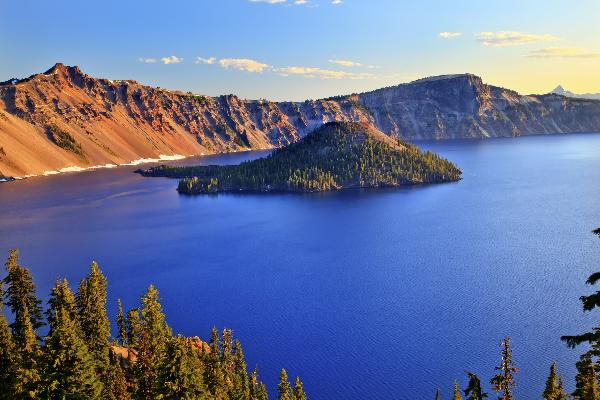
Attractions: Crater Lake is renowned for its deep blue color and stunning water clarity. It is the deepest lake in the United States, formed by the collapse of Mount Mazama thousands of years ago. The 33-mile Rim Drive offers over 30 scenic viewpoints, including Sun Notch and Watchman Overlook. In summer, take a boat tour to Wizard Island.
Practicalities: The park is at high elevation, and snow can close roads from October to late June. The best time to visit is July through September. Lodging inside the park at Crater Lake Lodge is iconic but books up far in advance. Alternatively, stay in the nearby town of Klamath Falls.
Eugene & Woodburn Premium Outlets
Descending from the mountains, the route heads north on I-5 into the Willamette Valley.
Eugene: Home to the University of Oregon, Eugene has a vibrant, athletic, and slightly counter-cultural vibe. It’s a great place to stop for a meal or walk along the riverfront paths.
Woodburn Premium Outlets: Located just off I-5 between Eugene and Portland, this large outdoor outlet mall features over 100 brand-name stores. It’s a popular stop for travelers seeking tax-free shopping (Oregon has no sales tax) and discounts on apparel, shoes, and home goods.
Columbia River Gorge & Portland
The journey continues to one of the most scenic areas in the Pacific Northwest.
Columbia River Gorge National Scenic Area: Just east of Portland, this canyon carved by the Columbia River is famed for its high density of waterfalls. The Historic Columbia River Highway is a beautiful drive that leads to Multnomah Falls, a 620-foot two-tiered cascade with a picturesque bridge. Hike to other falls like Latourell and Horsetail Falls.
Portland: The city of “Portlandia” is known for its quirky culture, superb food carts, craft breweries, and beautiful parks like Washington Park (home to the International Rose Test Garden and Japanese Garden). Explore neighborhoods like the Pearl District, Hawthorne, and Alberta Arts District. Don’t miss Powell’s City of Books, one of the largest independent bookstores in the world.
Food & Accommodation: Portland’s food scene is legendary. From food cart pods serving global cuisines to award-winning restaurants and countless microbreweries and coffee roasters, there is something for every palate. Accommodation ranges from downtown hotels to charming boutique hotels and Airbnb rentals in various neighborhoods.
Olympia & Mount Rainier National Park
Heading north into Washington State on I-5.
Olympia: The capital city of Washington is situated at the southern end of Puget Sound. Visitors can tour the impressive Washington State Capitol building and grounds or stroll along Percival Landing waterfront park.
Mount Rainier National Park: The towering, glaciated peak of Mount Rainier dominates the skyline. The most popular area is Paradise on the south side of the mountain, known for its wildflower meadows in July and August and accessible snowshoeing in winter. The Skyline Trail offers breathtaking up-close views of the mountain. The Sunrise area on the northeast side offers the highest accessible point by car and different perspectives.
Accommodation: Options near the park are limited. The National Park Inn (Longmire) and Paradise Inn (Paradise) are historic lodges that require early booking. Alternatively, stay in gateway towns like Ashford or Packwood.
Tacoma & Seattle: The Emerald City
The final urban leg of the journey explores two major Washington cities.
Tacoma: Often overlooked by its northern neighbor, Tacoma has a revitalized downtown centered around the Museum of Glass (featuring works by native son Dale Chihuly), the Washington State History Museum, and the charming Point Defiance Park & Zoo.
Seattle: The vibrant heart of the Pacific Northwest. Key attractions include the Space Needle, the bustling Pike Place Market (watch fish fly!), Chihuly Garden and Glass, and the Museum of Pop Culture (MoPOP). For a different view, take a ferry ride across Puget Sound to Bainbridge Island.
Food & Culture: Seattle is the home of Starbucks, but its local coffee culture runs much deeper. Seafood is a staple—try oysters, salmon, or geoduck. The city’s culture blends tech innovation with a deep-seated love for the outdoors, music (the grunge scene was born here), and aviation (visit the Boeing Future of Flight exhibit).
Accommodation: Stay downtown for walkability to major sights, in Belltown for nightlife, or in Capitol Hill for a more eclectic, youthful vibe.
The Coast Starlight: A Scenic Rail Journey
A highlight of the trip is returning south not by car, but by train. Amtrak’s Coast Starlight is renowned as one of the most beautiful train routes in America.
The Experience: The train travels from Seattle all the way to Los Angeles. For this itinerary, you would board in Seattle or Tacoma and disembark in Portland or further south. The journey offers stunning views of Puget Sound, the forests and valleys of Western Washington and Oregon, and dramatic vistas of Mount Rainier and Mount St. Helens (on a clear day).
Practicalities: It’s highly recommended to book a seat in a Superliner car with large windows. For the ultimate experience, consider splurging on a roomette in a sleeping car for privacy and access to the parlor car and dining car. Be aware that trains can be subject to delays.
The Southern Return: Medford, Shasta Dam & Sundial Bridge
After retrieving your car in Portland (or Medford if you take the train further), you’ll complete the loop back to San Francisco through Southern Oregon and Northern California.
Medford: A major city in Southern Oregon’s Rogue Valley, known for its pear orchards and as a hub for the surrounding wine region. It serves as a convenient overnight stop.
Shasta Dam: Located near Redding, California, this massive concrete dam is one of the largest in the United States. Free guided tours are offered by the U.S. Bureau of Reclamation, providing a fascinating look at engineering and hydroelectric power.
Sundial Bridge: In Redding’s Turtle Bay Exploration Park, this stunning pedestrian bridge designed by architect Santiago Calatrava is a functional work of art. Its white mast and cables form a sundial, and the glass-block walkway is illuminated at night. It’s a beautiful place for an evening stroll.
Trip Planning Summary
This grand loop is best undertaken over a minimum of two weeks to avoid being rushed. The ideal travel season is late spring (May-June) or early fall (September-October) to avoid summer crowds and potential winter snow closures in the mountains. This journey provides an unparalleled overview of the American West Coast’s diverse beauty, from urban centers and coastal forests to volcanic peaks and world-famous wine country.