A Grand Tour of Britain and Ireland: From London to Dublin and Back
This comprehensive travel guide outlines an epic journey through the heart of England, into the wild Scottish Highlands, across the sea to Northern Ireland and the Republic of Ireland, and back through historic English cities. It’s a route designed for those who wish to experience the rich tapestry of British and Irish history, culture, and breathtaking natural scenery.
Part 1: London – The Capital Commencement
Begin your adventure in London, a sprawling metropolis where history and modernity collide. There’s a lifetime of things to see, but for this tour, focus on the iconic essentials.
Attractions: Witness the Changing of the Guard at Buckingham Palace, gaze upon the masterpieces in the British Museum, and listen to the bells of Big Ben from the Houses of Parliament. A stroll across the Tower Bridge offers fantastic views, while the nearby Tower of London tells a thousand-year-old story of royalty and imprisonment. For a different perspective, take a ride on the London Eye.
Food & Culture: Experience a traditional Sunday roast at a classic pub. For something quicker, try a pie and mash or head to Borough Market for gourmet street food. London’s cultural scene is unmatched, from the West End theatres to the free museums in South Kensington.
Transportation: The London Underground (“the Tube”) is your best friend. Purchase an Oyster card for seamless travel on tubes and buses.
Travel Tip: Book major attractions like the London Eye and theatre shows online in advance to save time and money. Many museums are free, but donations are appreciated.
Part 2: Windsor & Oxford – Royalty and Academia
A short trip west of London brings you to two quintessential English destinations.
Windsor: The primary draw is Windsor Castle, the oldest and largest inhabited castle in the world and an official residence of His Majesty The King. The State Apartments and St. George’s Chapel (the burial place of Queen Elizabeth II) are magnificent. The charming town of Windsor itself is worth a stroll along the Thames.
Oxford: This city is a living library of knowledge. Wander through the historic university colleges like Christ Church (a Harry Potter filming location) and Magdalen College. Climb the University Church of St Mary the Virgin for a stunning panoramic view of the “dreaming spires.” Don’t miss the Bodleian Library and the fascinating Ashmolean Museum.
Transportation: Regular trains run from London Paddington to Oxford and from London Waterloo to Windsor. They can be visited as separate day trips or as a combined route.
Local Insight: In Oxford, try to join an official university walking tour for the most insightful stories about student life and college history.
Part 3: The Lake District & The Journey North
Travel north into Cumbria to experience England’s most celebrated natural landscape, immortalized by poet William Wordsworth.
Attractions: The Lake District is about outdoor activities. Take a cruise on Lake Windermere, England’s largest lake. Go for walks in the valleys of Borrowdale or Grasmere. Visit Wordsworth’s former homes, Dove Cottage in Grasmere and Rydal Mount.
Food & Culture: This is the home of the Grasmere Gingerbread, a unique and delicious treat. Enjoy hearty pub meals and sample local ales. The culture is one of romantic poetry and a deep appreciation for nature.
Transportation: Having a car provides the most flexibility to explore the remote valleys. However, public buses (the “Mountain Goat” services) do connect the main towns and sights effectively.
Travel Tip: The weather in the Lakes is notoriously changeable. Pack waterproof layers and good walking shoes regardless of the forecast.
Part 4: The Scottish Highlands – A82, Glencoe & Loch Ness
Crossing into Scotland, the landscape becomes more dramatic and wild. This section of the trip is defined by the road itself.
The A82 Road & Glencoe: Driving the A82 through Glencoe is an unforgettable experience. This is not just a road; it’s a journey through epic scenery. The valley of Glencoe, with its steep, brooding mountains, is one of Scotland’s most iconic and hauntingly beautiful landscapes, site of the infamous 1692 massacre.
Loch Ness & Urquhart Castle: Continue north to the famous Loch Ness. While “Nessie” may be elusive, the loch’s beauty is not. On its shores stand the evocative ruins of Urquhart Castle, offering superb views and a thousand years of turbulent history.
Food & Culture: Stop at a “Bothy” (a small roadside hut or cafe) for hot soup and a sandwich. You’re in whisky country, so a visit to a distillery like Glen Coe or one near Fort William is a must.
Transportation: A car is essential for this part of the journey to stop at viewpoints at your own pace. The road is well-maintained but can be narrow and winding.
Local Insight: The best view of the “Three Sisters” of Glencoe is from the lay-by (parking area) just as you enter the valley from the south. Don’t just drive through; get out and walk a short way into the glen to feel its immense scale.
Part 5: Edinburgh – The Athenian North
After the wildness of the Highlands, arrive in Scotland’s majestic capital, a city built on volcanoes.
Attractions: Dominating the city skyline is Edinburgh Castle, perched on an extinct volcano. Explore the Royal Mile, the historic thoroughfare that connects the Castle to the Palace of Holyroodhouse. For a different perspective, hike up Arthur’s Seat for a panoramic view of the city. Don’t miss the fascinating exhibits at the National Museum of Scotland.
Food & Culture: Try haggis, neeps, and tatties (often better than it sounds!), or warm up with a bowl of Cullen Skink (smoked fish soup). Edinburgh is a city of literature (home of Harry Potter) and festivals; even outside August, there’s a vibrant arts scene.
Transportation:The city is very walkable, but be prepared for steep hills. Buses are efficient for longer distances across town.
Travel Tip: Book castle tickets far in advance, as time slots sell out quickly. For a unique experience, take a guided ghost tour through the underground vaults.
Part 6: Crossing to Ireland – Belfast & Dublin
From a Scottish port like Cairnryan, take a ferry across the Irish Sea to Belfast, beginning your Irish adventure.
Belfast (First Visit): Explore the city’s recent history with a Black Cab Tour, which provides a powerful and personal perspective on The Troubles, taking you to the political murals of the Falls and Shankill Roads. Contrast this with a visit to the magnificent Titanic Belfast, an award-winning museum located where the famous ship was built.
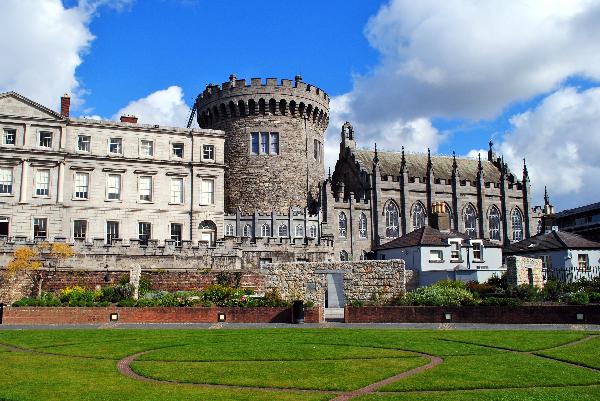
Dublin: Travel south to the vibrant capital of the Republic of Ireland. Immerse yourself in literature at Trinity College’s Old Library to see the Book of Kells. Enjoy a pint of Guinness after touring the Guinness Storehouse. Stroll through St Stephen’s Green and experience the lively atmosphere in Temple Bar.
Food & Culture: In Dublin, a full Irish breakfast is essential. Enjoy pub culture with live traditional music (“trad sessions”). In both cities, seafood is excellent.
Transportation: Frequent trains and buses connect Belfast and Dublin. The journey takes about two hours.
Local Insight: When in a Dublin pub, don’t just listen to the trad session—try to identify the different instruments: fiddle, tin whistle, bodhrán (drum), and Uilleann pipes.
Part 7: The Antrim Coast – A Geological Marvel
Return to Belfast and then head north along one of the world’s most spectacular coastal routes.
The Dark Hedges: Made famous by *Game of Thrones*, this beautiful avenue of beech trees is an atmospheric first stop. Visit early in the morning or late in the evening to avoid crowds.
Carrick-a-Rede Rope Bridge: Test your nerve by crossing this swaying rope bridge suspended 100 feet over the churning Atlantic between the mainland and a small island. The views are spectacular.
Giant’s Causeway: The crown jewel of the coast. This UNESCO World Heritage Site is an area of about 40,000 interlocking basalt columns, the result of an ancient volcanic eruption. Walk on them, explore them, and marvel at this natural wonder.
Transportation:The best way to see the coast is by car, allowing you to stop at all the viewpoints. Organized day tours from Belfast are also plentiful.
Travel Tip: Book your ticket for the Carrick-a-Rede Rope Bridge online in advance to guarantee a crossing time, as it’s extremely popular.
Part 8: The Return Through England – York, Warwick & Cambridge
After a ferry back to Great Britain, journey through England’s historic heartland.
York:A magnificent walled city. Walk the medieval city walls, get lost in The Shambles—a crooked, overhanging street that looks like it’s from Diagon Alley—and be awed by the immense York Minster, one of the world’s most beautiful cathedrals.
Warwick Castle:A step away from York, Warwick offers one of Britain’s most complete and entertaining medieval castles. It’s less of a ruin and more of a historical theme park, with dungeons, towers to climb, and live shows, making it fantastic for all ages.
Cambridge:The other great university city. The experience here is defined by its colleges. Go punting on the River Cam for the best views of the “Backs” of the colleges, including King’s College with its world-famous chapel. Explore the cobbled streets and vibrant market square.
Food & Culture: In York, try Yorkshire puddings with a roast dinner. In Cambridge, enjoy a cream tea or visit one of its many excellent pubs frequented by students and academics.
Transportation:Trains connect York, Warwick (via Leamington Spa), and Cambridge efficiently. Driving is also straightforward on England’s motorway network.
Local Insight: When punting in Cambridge, you can either hire your own punt (challenging but fun) or, more relaxing, hire a chauffeur who will also provide an informative tour.
The Final Leg: Return to London
The circle is complete as you return to London. Use this final day to revisit a favorite spot, do some last-minute shopping on Oxford Street, or simply reflect on an incredible journey through two nations rich with history, legend, and stunning landscapes.
Overall Practical Tips
Accommodation: Book well in advance, especially in Edinburgh, Dublin, and the Lake District during peak season (June-August).
Currency: England/Scotland use the British Pound (GBP). Northern Ireland uses GBP, but the Republic of Ireland uses the Euro (EUR).
Driving: If you plan to drive, remember they drive on the left. Renting a car is ideal for the Highlands and Antrim Coast. For city-to-city travel, trains are often faster and more relaxing.
The Weather: Be prepared for all four seasons in one day, especially in Scotland and Ireland. Waterproof jackets and layers are essential.
Trip Duration: This itinerary is packed. To enjoy it without rushing, allow a minimum of two to three weeks.