A Comprehensive Travel Guide to Doha, Qatar
Doha, the dazzling capital of Qatar, is a city where ancient tradition meets hyper-modern ambition. Rising from the shores of the Arabian Gulf, this rapidly evolving metropolis offers a unique travel experience, blending a deep-rooted cultural heritage with stunning contemporary architecture, world-class museums, and luxurious amenities. Once a quiet pearl-diving village, Doha has transformed into a global hub, inviting travelers to explore its fascinating contrasts.
Introduction to Doha
Doha is the political, economic, and cultural heart of the State of Qatar, a peninsula projecting into the Persian Gulf. The city is characterized by its dramatic skyline, dominated by futuristic skyscrapers and innovative architectural marvels. Yet, nestled between these glass and steel giants are pockets of history, bustling traditional souqs, and a culture of generous Arab hospitality known as “Al Diyafa.” Since hosting the 2022 FIFA World Cup, Doha’s infrastructure and global profile have soared, making it more accessible and visitor-friendly than ever. The best time to visit is between October and April when the weather is pleasant and mild, perfect for outdoor exploration.
Top Attractions and Landmarks
Museum of Islamic Art (MIA)
Designed by the renowned architect I.M. Pei, the Museum of Islamic Art is a masterpiece in its own right. Situated on a purpose-built island off the Corniche, the geometric building houses one of the world’s most complete collections of Islamic art spanning 1,400 years. Inside, visitors can find exquisite manuscripts, textiles, ceramics, glass, and metalwork gathered from three continents. The museum’s café offers stunning panoramic views of the Doha skyline, making it a perfect spot for refreshment after exploring the galleries.
Souq Waqif
Translated as “the standing market,” Souq Waqif is the historic heart of Doha. This labyrinthine market has been restored to its former glory, with traditional Qatari architecture, exposed timber beams, and narrow alleyways. It is a vibrant hub of activity where one can find almost anything: spices perfuming the air, intricate textiles, gold jewelry, falcons (a prized bird in Qatari culture), and traditional handicrafts. By evening, the souq comes alive with shisha lounges, traditional music, and a plethora of dining options. It is an unmissable sensory experience.
The Pearl-Qatar
An artificial island spanning nearly four million square meters, The Pearl-Qatar is a testament to modern luxury. Designed to resemble strings of pearls in reference to Qatar’s pearling history, the island features upscale residential villas, apartments, and marinas filled with luxury yachts. Visitors can stroll along the glamorous waterfront promenades at Qanat Quartier, with its Venetian-style canals and colorful buildings, or explore the high-end retail outlets and fine dining restaurants at Porto Arabia. It offers a glimpse into the luxurious lifestyle for which Doha is known.
Katara Cultural Village
Katara is a sprawling cultural complex dedicated to the arts and heritage. It features stunning architecture inspired by Islamic and local design, including a magnificent blue-tiled mosque and a grand amphitheater facing the sea. Katara is a hive of cultural activity, hosting art exhibitions, concerts, film screenings, and festivals throughout the year. Visitors can enjoy its public beach, sample cuisine from around the world at its numerous restaurants, or simply wander through its picturesque plazas and walkways.
National Museum of Qatar
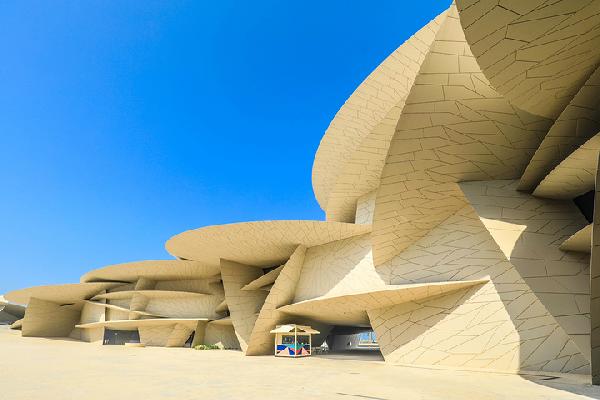
Another architectural wonder, the National Museum of Qatar was designed by Jean Nouvel to resemble a desert rose—a natural crystal formation found in the region. The museum’s interlocking disc structure creates a breathtaking visual. Inside, it tells the story of Qatar and its people from prehistoric times to the present day through a series of immersive, technologically advanced galleries. The journey covers the formation of the peninsula, Bedouin culture, the pearling industry, and the discovery of oil and gas that transformed the nation.
Aspire Park and the Torch Doha
Aspire Park is the largest park in Doha and a green oasis in the city. It’s a popular spot for families and fitness enthusiasts to walk, jog, or picnic. Within the park stands the iconic Torch Doha, a 300-meter-high skyscraper that was originally built as the main torch for the 2006 Asian Games. Today, it functions as a luxury hotel, and visitors can dine at its revolving restaurant on the 47th floor for unparalleled 360-degree views of the city.
The Corniche
This seven-kilometer-long waterfront promenade curves along Doha Bay, offering spectacular views of the modern skyline on one side and traditional dhows bobbing on the water on the other. It is a focal point for leisure activities; locals and tourists alike flock here for walking, running, and cycling, especially during the cooler evenings. A dhow cruise from the Corniche provides a romantic and picturesque way to see the city from the water, particularly at sunset when the buildings are illuminated.
Villaggio Mall
For a unique shopping experience, Villaggio Mall takes inspiration from the Venetian canals. Visitors can glide along indoor canals on gondolas, under a painted sky ceiling that mimics a perfect day. The mall houses an enormous range of international luxury and high-street brands, a large food court, and an indoor ice rink. It is more than a shopping center; it is an entertainment destination that exemplifies Doha’s love for grand-scale projects.
Culinary Journey: Food and Drink
Qatari cuisine is a rich tapestry woven from Bedouin traditions and influences from Iran, India, and North Africa. Dining in Doha is a major attraction, with options ranging from humble street food in the souq to Michelin-starred restaurants in five-star hotels.
Traditional Qatari Dishes: Must-try local dishes include Machboos, a spiced rice dish with meat (often chicken or lamb) similar to biryani; Harees, a savory porridge of wheat and meat; and Luqaimat, sweet, deep-fried dough balls drizzled with date syrup or honey. For an authentic experience, visitors can book a traditional meal at restaurants like Al Mourjan or Shay Al Shoomos located near Souq Waqif.
Dining at Souq Waqif: The souq is a food lover’s paradise. Numerous courtyard restaurants serve excellent Middle Eastern grills and mezze. The alley dedicated to Persian restaurants is particularly famous for its flavorful kebabs and saffron-infused rice.
International Fine Dining: Doha’s culinary scene is globally recognized. The city boasts restaurants by celebrity chefs such as Nobu Matsuhisa, Gordon Ramsay, and Alain Ducasse, often located in luxury hotels like the St. Regis or the Four Seasons.
Foodie Hotspots: Msheireb Downtown Doha offers a mix of chic cafes and international eateries. The Pearl-Qatar is another destination for waterfront dining with cuisines from all over the world.
Qahwa (Arabic Coffee) and Dates: No visit is complete without tasting Qahwa, a lightly spiced cardamom coffee served in small cups, often with sweet dates. This is a quintessential symbol of Qatari hospitality.
Getting Around: Transportation Guide
Navigating Doha is relatively straightforward thanks to its modern and efficient transportation network.
Hamad International Airport (DOH): The main international gateway to Qatar and consistently ranked one of the best airports in the world. It is well-connected to the city center, approximately a 15-20 minute drive.
Doha Metro: A state-of-the-art, clean, and efficient driverless metro system. It has three lines (Red, Green, Gold) that connect key areas including the airport, West Bay (business district), Katara, Souq Waqif, and The Pearl. It is the fastest way to avoid road traffic.
Taxis and Ride-Hailing: Karwa taxis are readily available and metered. Ride-hailing apps like Uber and Careem are also widely used and very reliable for getting around the city.
Car Rental: Renting a car is a good option for those who want maximum flexibility. Driving is on the right side of the road, and road signs are in both Arabic and English.
Walking: While some districts like Souq Waqif, Msheireb, and Katara are very walkable, the city’s sprawling nature and intense heat for much of the year make walking long distances impractical.
Accommodation Tips: Where to Stay
Doha offers a wide spectrum of accommodation options to suit all budgets and preferences.
Luxury & 5-Star Hotels: For ultimate luxury and panoramic sea views, the hotels along the West Bay Lagoon, such as the St. Regis Doha, Four Seasons Hotel Doha, and Sharq Village & Spa, are top choices. These resorts often feature private beaches, multiple pools, and world-class spas.
Boutique & Cultural Stays: For a more authentic and atmospheric stay, the Souq Waqif Boutique Hotels by Tivoli are ideal. These nine hotels are nestled within the souq itself, offering traditional architecture and decor with modern comforts.
Business & Mid-Range Hotels: The West Bay area is also home to many international chain hotels catering primarily to business travelers but are also convenient for tourists. Areas like Al Sadd offer more mid-range options.
Budget-Friendly Options: While budget hotels are less common in the city center, there are affordable serviced apartments and hotel apartments available that provide more space and kitchen facilities, which can be cost-effective for families or longer stays.
Cultural Insights and Etiquette
Understanding local customs is key to a respectful and enjoyable visit.
Religion and Dress Code: Qatar is an Islamic country with conservative social customs. While foreigners are not expected to wear traditional attire, modest clothing is appreciated, especially when visiting government buildings, mosques, and souqs. Shoulders and knees should be covered in public areas.
Ramadan: If visiting during the holy month of Ramadan, be aware that eating, drinking, and smoking in public from sunrise to sunset is prohibited by law. Many restaurants will be closed during daylight hours, though hotels often have screened-off areas for non-fasting guests.
Social Conduct: Public displays of affection between couples are frowned upon. It is also considered polite to use your right hand for eating, shaking hands, and exchanging money.
Photography: Always ask for permission before photographing local people, particularly women. Avoid taking pictures of government buildings and military installations.
Alcohol: The consumption of alcohol is regulated in Qatar. It is only available in licensed hotel restaurants and bars. It is illegal to drink alcohol in public or to be intoxicated in public.
Hospitality (Al Diyafa): Qataris are known for their generosity. Accepting an offer of Qahwa (Arabic coffee) or dates is a sign of respect and friendliness.
Practical Information
Visa Requirements
Nationals of over 95 countries are eligible for a visa-free entry into Qatar for durations ranging from 30 to 90 days. It is essential to check the latest visa regulations on the official Qatar Ministry of Interior website before traveling.
Currency
The currency is the Qatari Riyal (QAR). It is pegged to the US Dollar (1 USD ≈ 3.64 QAR). Credit and debit cards are widely accepted everywhere, but it’s useful to have some cash for smaller shops in the souqs.
Language
The official language is Arabic. However, English is widely spoken and understood, especially in business settings, hotels, restaurants, and shops. Signs are almost always bilingual.
Tipping
Tipping is not mandatory but is appreciated for good service. In restaurants, a 10-15% service charge is often included in the bill. If not, leaving a similar amount in cash is customary. For taxi drivers, rounding up the fare is sufficient.
Conclusion
Doha presents a captivating blend of old and new, offering travelers a unique window into a culture that honors its past while boldly shaping its future. From wandering the timeless alleys of Souq Waqif to marveling at architectural wonders like the National Museum, from savoring traditional flavors to cruising along its glittering Corniche, Doha promises a rich and memorable journey. With its warm hospitality, state-of-the-art infrastructure, and ever-expanding list of attractions, this Gulf capital firmly establishes itself as a must-visit destination on the world stage.