Morocco Unveiled: A Grand Loop from Casablanca to the Sahara and Back
This comprehensive travel guide details a classic and unforgettable circuit through Morocco, taking you from the Atlantic coast, across the High Atlas Mountains, into the vast Sahara Desert, through ancient imperial cities, and into the iconic blue-washed streets of the north before returning to your starting point. This journey offers a profound immersion into the country’s diverse landscapes, rich history, and vibrant culture.
Casablanca: The Modern Metropolis
Begin your Moroccan adventure in Casablanca, the nation’s economic hub. While it lacks the ancient medina charm of other cities, Casablanca offers a glimpse into contemporary Morocco.
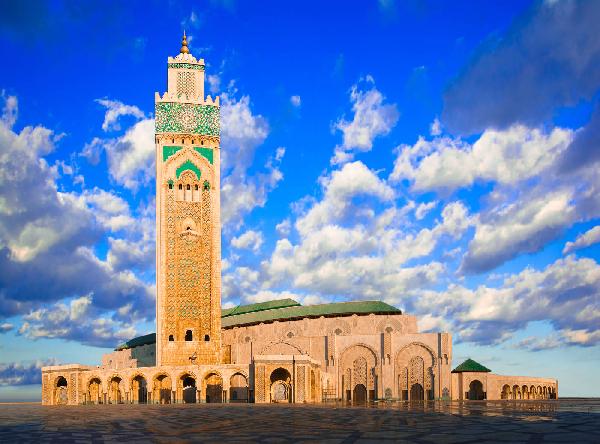
Hassan II Mosque: An absolute masterpiece and the largest mosque in Africa. Its minaret soars 210 meters high, and the building is situated on a platform overlooking the Atlantic Ocean. The interior, with its intricate marblework, carved stucco, and gilded cedar ceilings, is breathtaking. Non-Muslim visitors can enter on guided tours.
Corniche Ain Diab: A lively seaside promenade lined with swimming pools, restaurants, and cafes. It’s a popular spot for locals to stroll, especially in the evening.
Habous Quarter (New Medina): Built by the French in the 1930s, this district blends Moroccan architecture with European city planning. It’s a pleasant place to wander and shop for traditional goods like leather babouches (slippers) and pastries.
Culinary Highlight: Seafood is a must in Casablanca. Visit the port area for incredibly fresh fish grilled to order. For a taste of classic Moroccan cuisine in a beautiful Art Deco setting, try Rick’s Cafe, an homage to the film Casablanca.
Transportation & Tip: Casablanca’s Mohammed V International Airport is the primary entry point for many travelers. The city’s tram system is efficient and easy to use for getting between key areas. Taxis are plentiful but always agree on a price before getting in. Local Insight: While many rush through, spending a day in Casablanca provides a nuanced understanding of modern Moroccan life beyond the tourist trail.
Marrakech: The Red City
Travel by train or private car from Casablanca to Marrakech (approx. 2.5-3 hours). Prepare to be overwhelmed in the best way possible. Marrakech is a sensory explosion of colors, sounds, and smells.
Djemaa el-Fna: The heart and soul of Marrakech. By day, it’s a large square with orange juice stalls, water sellers, and snake charmers. As dusk falls, it transforms into a massive open-air food festival and entertainment center, with storytellers, musicians, and acrobats.
Souks of the Medina: A labyrinthine network of alleys dedicated to specific crafts: leather, metalwork, carpets, spices, and lanterns. Getting lost is part of the experience. Be prepared to haggle politely.
Bahia Palace: A stunning example of Moroccan and Islamic architecture from the late 19th century, with beautiful courtyards, intricate tilework (zellij), and peaceful gardens.
Jardin Majorelle: A vibrant botanical garden gifted to the city by Yves Saint Laurent. The electric blue accents contrast beautifully with the lush green vegetation and are a photographer’s dream.
Koutoubia Mosque: The largest mosque in Marrakech, whose 77-meter minaret is the city’s landmark. Non-Muslims cannot enter, but the surrounding gardens offer excellent views.
Culinary Highlight: Dive into the food stalls at Djemaa el-Fna for grilled meats, snail soup, and fried fish. For a more refined experience, many riads (traditional houses with interior gardens) offer exquisite Moroccan dinners in a tranquil setting.
Transportation & Tip: The medina is best explored on foot. For longer distances, petit taxis are ideal. Practical Tip: When navigating the souks, a firm but friendly “no, thank you” (“la shukran”) is essential to ward off over-eager shopkeepers and self-appointed guides.
The Road to the Sahara: Ait Benhaddou & Ouarzazate
The journey from Marrakech towards the desert is an attraction in itself. You will cross the High Atlas Mountains via the
Tizi n’Tichka Pass, a dramatic and winding road that offers breathtaking panoramic views at every turn.
Ait Benhaddou
This UNESCO World Heritage site is one of Morocco’s most iconic locations—a fortified village (ksar) made of earthen clay architecture that climbs up a hillside. It has served as a backdrop for numerous films, including
Gladiator, Lawrence of Arabia, and Game of Thrones. Walking through its narrow, winding passages feels like stepping back in time.
Ouarzazate
Known as the “Door of the Desert,” Ouarzazate is a strategic hub. Its main attractions are its film studios (Atlas Studios), where many Hollywood blockbusters were filmed, and the nearby
Taourirt Kasbah, a vast and beautifully preserved clay fortress that showcases traditional Berber architecture.
Culinary Highlight: Meals here are hearty. Tagines are ubiquitous, often featuring dried fruits and nuts like prunes and almonds, reflecting the region’s oasis agriculture.
Transportation & Tip: This leg is almost always done by private car, rental car, or organized tour. Public transport exists but makes visiting these sites difficult. Local Insight: The best light for photographing Ait Benhaddou is in the early morning or late afternoon when the sun gives the clay a golden-red glow.
Todra Gorge & The Journey to Merzouga
Todra Gorge
Continuing east, you’ll reach the spectacular Todra Gorge near Tinerhir. Here, the river has carved a massive cleft through the mountains, creating towering canyon walls that rise up to 400 meters high and narrow to just 10 meters across at the base. It’s a paradise for rock climbers and a stunning place for a walk along the river.
Merzouga & The Erg Chebbi Dunes
This is the climax of the desert journey. Merzouga is a small village on the edge of
Erg Chebbi, a sea of golden sand dunes that can reach heights of 150 meters. The experience here is quintessential Sahara.
Camel Trek: A sunset or sunrise camel ride into the dunes is magical. The silence and vastness of the landscape are profound.
Desert Camp: Spending a night in a Berber desert camp is unforgettable. You’ll be treated to traditional music around a campfire under an incredible canopy of stars.
Sunrise/Sunset: Climb a high dune to watch the sun paint the sands in shifting hues of orange, red, and gold.
Culinary Highlight: In the desert camp, you’ll typically be served a communal tagine cooked over coals. Mint tea is served constantly as a sign of hospitality.
Transportation & Tip: You will leave your vehicle in Merzouga. Pack an overnight bag for your desert camp; luggage can usually be stored securely at your hotel or with your driver. Practical Tip: The desert is extreme—hot by day, cold by night. Dress in layers. A scarf is essential for protecting your face from sun and sand.
The Middle Atlas & Switzerland of Morocco: Ifrane
The route north from the desert towards Fez takes you through the Middle Atlas Mountains, a region of cedar forests, volcanic rock plateaus, and apple orchards—a stark contrast to the arid south.
Ifrane is a bizarre and charming detour. Built by the French in the 1930s as a “hill station,” its alpine-style chalet architecture, clean wide streets, and cool climate feel entirely un-Moroccan, earning it the nickname “Little Switzerland.” It’s a popular holiday spot for wealthy Moroccans and is also home to Al Akhawayn University.
Culinary Highlight: This region is known for its trout from nearby lakes and its berry production. You’ll find a shift towards more European-style cafes and patisseries here.
Fes: The Cultural & Spiritual Capital
Fes is often considered Morocco’s most complete imperial city. Its ancient medina, Fes el-Bali, is a UNESCO site and one of the world’s largest contiguous car-free urban areas. It is an intense, mesmerizing labyrinth.
Fes el-Bali: Getting lost in this 9th-century medina is inevitable and rewarding. It’s a living museum of medieval Muslim life.
Chouara Tannery: The largest and oldest tannery in the world. View it from the terraces of surrounding leather shops for a breathtaking (and pungent) sight of dye pits laid out like a honeycomb.
Al-Attarine Madrasa & Bou Inania Madrasa: Exquisitely decorated Islamic schools showcasing the pinnacle of Marinid architecture with intricate zellij tilework and carved cedar wood.
Kairaouine Mosque & University: Founded in 859, it is one of the oldest universities in the world. While non-Muslims cannot enter, you can catch glimpses of its vast interior from its gates.
Culinary Highlight: Fes is the culinary heart of Morocco. Don’t miss trying a pastilla, a savory-and-sweet pie made with warqa dough (similar to phyllo), typically filled with pigeon or chicken, almonds, and cinnamon.
Transportation & Tip: Hiring a licensed local guide for at least your first half-day in Fes is highly recommended. The medina is incredibly complex, and a guide will provide invaluable context and help you navigate efficiently. Local Insight: The tannery odor is strong; shopkeepers often offer fresh mint to hold under your nose. It genuinely helps.
Meknes: The Imperial City of Moulay Ismail
A short drive from Fez lies Meknes, a quieter and more relaxed imperial city. Its grandeur is largely due to Sultan Moulay Ismail, who made it his capital in the 17th century and built monumental structures to rival Versailles.
Bab Mansour: Often described as the finest gateway in all of Morocco, this massive city gate opens into Meknes’s imperial quarter.
Moulay Ismail Mausoleum: A rare religious site open to non-Muslims. It’s a beautifully tranquil place with fine examples of Moroccan craftsmanship.
Heri es-Souani (Royal Granaries & Stables): These vast vaulted structures were used to store grain and house thousands of horses, showcasing Moulay Ismail’s ambition and engineering prowess.
Volubilis: A short trip from Meknes, this UNESCO-listed Roman ruin is one of the most important archaeological sites in Morocco. The well-preserved mosaics and Capitol building are highlights.
Chefchaouen: The Blue Pearl
Tucked away in the Rif Mountains, Chefchaouen is famous for its striking blue-washed buildings. Founded in 1471, its blue hues are said to have been introduced by Jewish refugees in the 1930s, symbolizing the sky and heaven.
The Medina: The primary activity is simply wandering through the enchanting blue alleyways, discovering hidden plazas, and taking photographs. It’s much smaller and more relaxed than Fes or Marrakech.
Outa el-Hammam Square: The main square lined with cafes and restaurants, perfect for people-watching with views of the Grand Mosque and kasbah.
Kasbah Museum: A restored 18th-century fortress with a lovely garden courtyard and an ethnographic museum inside.
Ras El Maa: A small waterfall at the northeastern edge of the medina where locals gather to wash clothes—a scenic spot just steps from the blue walls.
Culinary Highlight: Chefchaouen is known for its goat cheese. You’ll find it in salads and sandwiches. The town also has a reputation for cannabis (kif), which is cultivated in the surrounding mountains, but it is illegal and best avoided.
Transportation & Tip: Chefchaouen is best reached by bus or private car from Fez or Meknes. The medina is very hilly; wear comfortable walking shoes. Practical Tip: The best time to photograph the blue streets is in the mid-morning when the sun lights up the alleys but the day-tripping crowds haven’t yet peaked.
The Return: Chefchaouen to Casablanca
The final leg involves a long but scenic drive (approx. 5-6 hours) back to Casablanca, completing the grand loop. You’ll pass through fertile agricultural land and modern cities like Rabat, which could be visited as an additional stop if time permits.
A Note on Practicalities
Cuisine Overview
Tagine: The iconic slow-cooked stew named for the conical clay pot it’s cooked in. Endless varieties exist (chicken with lemon and olives, lamb with prunes).
Couscous: Traditionally served on Fridays. Steamed semolina grains topped with vegetables and meat.
Mint Tea: The national drink, sweet and refreshing. The pouring ritual from a height is part of the experience.
Pastilla: A unique Fassi specialty—a flaky pastry pie blending savory meat with sweet spices and sugar.
Harira:A rich tomato-based soup packed with lentils and chickpeas, often eaten to break the fast during Ramadan.
Transportation Strategy
Trains: Excellent for connecting Casablanca, Rabat, and Marrakech. Comfortable and reliable.
Private Driver/Tour:The most flexible and recommended way to do this specific loop from Marrakech through the desert to Fes/Chefchaouen. It allows for stops at scenic viewpoints and remote sites.
Grand Taxis: Shared taxis (often large Mercedes sedans) that run fixed routes between cities. A more local experience but less comfortable for long hauls with luggage.
CTM and other companies offer extensive bus routes connecting major cities and towns comfortably and affordably.
Cultural Etiquette & Tips
< strong > Dress Modestly: While more liberal in cities like Casablanca , it is respectful to cover shoulders and knees , especially when visiting religious sites or rural areas .
< li >< strong > Haggling: Expected in souks . Start at about half the asking price and negotiate with a smile . It ‘s a social interaction , not a confrontation .
< li >< strong > Photography: Always ask permission before photographing people . Some may request payment .
< li >< strong > Ramadan: If traveling during this holy month , be aware that many restaurants will be closed during daylight hours . It is respectful not to eat , drink , or smoke in public during fasting hours .
< li >< strong > Language: Arabic and Amazigh ( Berber ) are official . French is widely spoken . Learning a few words in Arabic ( like “Shukran” for thank you ) is appreciated .
This grand tour of Morocco weaves together ancient history , breathtaking natural beauty , and warm hospitality , leaving travelers with memories of bustling souks , silent desert nights , and the timeless charm of its imperial cities .