An In-Depth Travel Guide to Iceland’s Ring Road & Golden Circle
This guide details a classic Icelandic itinerary, taking you from the vibrant capital of Reykjavik, through the legendary Golden Circle, along the dramatic South Coast to Vik and the Jokulsarlon Glacier Lagoon, and finally exploring the volcanic Snæfellsnes Peninsula. It is a journey through a land of fire and ice, where glaciers meet black sand beaches, and geothermal energy powers a unique culture.
Part 1: Arrival and Exploring Reykjavik
Your Icelandic adventure begins in
Reykjavik, the world’s northernmost capital. Despite its small size, it’s a city brimming with creativity, color, and a charming, laid-back atmosphere.
Key Attractions in Reykjavik:
Hallgrímskirkja Church: This iconic concrete church, inspired by Iceland’s basalt lava flows, dominates the city skyline. Take the elevator up the bell tower for a breathtaking 360-degree panoramic view of the city’s colorful rooftops, the sea, and the surrounding mountains.
Harpa Concert Hall: A architectural masterpiece on the waterfront. Its geometric glass facade reflects the sky and sea, creating a mesmerizing play of light. Even if you don’t attend a concert, wandering through its interior is a must.
Sun Voyager (Sólfar): This striking steel sculpture of a Viking ship-dream boat is located by the sea. It’s a beautiful spot for photos, especially at sunset.
Perlan (The Pearl): Situated on Öskjuhlíð hill, this glass-domed building offers another superb viewing platform. It also houses a natural history museum and a remarkable indoor ice cave.
Laugavegur Street: The main shopping street, filled with boutiques, art galleries, cafes, and restaurants. It’s the perfect place to feel the city’s pulse.
Food & Culture in Reykjavik:
Icelandic cuisine has evolved dramatically. While you can still find traditional dishes, the focus is now on fresh, high-quality local ingredients.
Must-Try Foods: Sample skyr (a thick, protein-rich dairy product), fresh seafood like Arctic char and langoustines, and the infamous hákarl (fermented shark) for the brave. The hot dog from Bæjarins Beztu Pylsur is a legendary and delicious budget-friendly option.
Dining: Reykjavik has a thriving food scene, from casual fish and chip shops to world-class New Nordic restaurants. Booking in advance for popular dinner spots is highly recommended.
Cultural Insight: Reykjavik is deeply rooted in Viking history and Norse mythology, which you can explore at the National Museum of Iceland or the Saga Museum. The city also has a vibrant arts and music scene.
Practical Tips for Reykjavik:
Transportation: The city center is very walkable. For longer distances, use the Strætó bus system. Renting a car is best done from the airport (Keflavik), which is about a 45-minute drive from the city.
Money: Credit and debit cards are accepted almost everywhere; you rarely need cash.
The Blue Lagoon: Many visitors choose to visit the Blue Lagoon on their way to or from Keflavik Airport due to its proximity. It’s a famous geothermal spa with milky-blue waters, but it requires advance booking.
Part 2: The Golden Circle Classic Route
The Golden Circle is a popular tourist route covering about 300 kilometers looping from Reykjavik into central Iceland and back. It showcases some of Iceland’s most significant historical and geological sites.
The Three Main Stops:
Þingvellir National Park (Thingvellir): A UNESCO World Heritage site of immense historical and geological importance. This is where the North American and Eurasian tectonic plates are pulling apart, creating a dramatic rift valley. It was also the site of the Alþingi, one of the world’s oldest parliamentary institutions, established in 930 AD. You can walk between the continents at Almannagjá gorge.
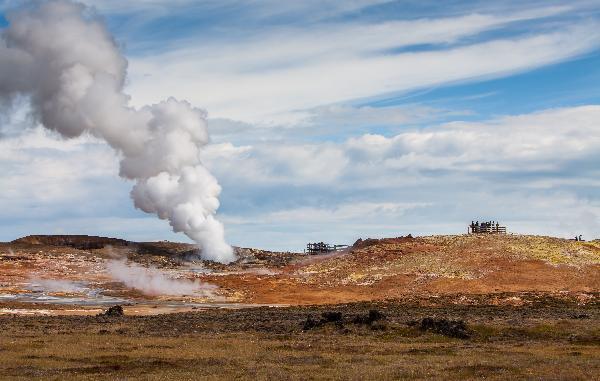
Geysir Geothermal Area: Home to the Great Geysir, from which all other geysers get their name. While Geysir itself is mostly dormant, its neighbor, Strokkur, erupts reliably every 5-10 minutes, shooting a column of boiling water up to 40 meters into the air. The entire area is a bubbling, steaming landscape of hot springs and fumaroles.
Gullfoss Waterfall (Golden Falls): A powerful two-tiered waterfall cascading 32 meters into a rugged canyon. The sheer volume of water and the roar are awe-inspiring. On sunny days, rainbows are often seen dancing in the mist. You can view it from several platforms at different heights.
Transportation & Tips for the Golden Circle:
- The route is easily navigable by car year-round and is well-signposted. Many tour companies also offer day trips from Reykjavik.
Local Insight: For a less crowded experience, visit these sites early in the morning or later in the afternoon. Consider adding a stop at the secret lagoon (Gamla Laugin) in Flúðir for a more natural, less commercial hot spring experience.
Part 3: The South Coast to Vik and Jokulsarlon
The journey along Iceland’s South Coast is arguably one of the most scenic drives in the world, featuring countless waterfalls, vast black sand plains, and glacier views.
Attractions on the South Coast:
Seljalandsfoss Waterfall: A beautiful curtain waterfall that you can walk behind, offering a unique perspective (and a soaking from the spray!). Remember to wear waterproof clothing and shoes with good grip.
Skógafoss Waterfall: A massive, powerful waterfall that is 60 meters high and 25 meters wide. You can view it from the base or climb the staircase alongside it for a stunning view from the top, looking down the coastline.
Reynisfjara Black Sand Beach (near Vik): A world-famous beach with striking black sand, towering basalt column cliffs, and dramatic sea stacks rising from the ocean. Extreme caution is required here. The “sneaker waves” are powerful, unpredictable, and deadly. Always keep a safe distance from the water and never turn your back on the ocean.
The Village of Vík í Mýrdal (Vik): Iceland’s southernmost village, a charming and essential stopover. It’s a great base for exploring the surrounding area. Visit the beautiful red-roofed Vik Church on the hill for a fantastic view over the village, sea stacks, and black sand beaches.
Sólheimasandur Plane Wreck: The wreckage of a US Navy DC-3 that crash-landed in 1973 sits on a black sand beach. It’s about a 4km (one-way) flat walk from the parking lot to reach it.
Jökulsárlón Glacier Lagoon: A breathtaking lagoon filled with icebergs that have calved from the Breiðamerkurjökull glacier. The icebergs float in a stunning blue-and-white palette before drifting out to sea. You can take an amphibious boat or zodiac tour to get up close to the ice.
Diamond Beach: Located just across the road from Jökulsárlón, where icebergs from the lagoon wash up on the black sand shore, glistening like diamonds against the dark sand. It’s a photographer’s paradise, especially at sunrise or sunset.
The Blue Ice Cave Experience
A visit to a natural blue ice cave is a highlight of any winter trip to Iceland (typically from November to March). These caves form at the edge of glaciers and are only accessible with a certified glacier guide.
Experience: The experience involves a super jeep ride onto the glacier outskirts and a walk to the cave entrance. Inside, you are surrounded by stunning shades of blue ice, created by centuries of compressed snow with no air bubbles.
Safety First: This is not a self-guided activity. Glacier conditions are constantly changing, and only experienced guides can ensure safe access. Always book a tour with a reputable company that provides necessary safety equipment like crampons and helmets.
Food & Accommodation on the South Coast:
The South Coast has a good range of accommodation, from hotels in Vik to guesthouses and farm stays along the route. Booking well in advance is crucial, especially in summer. For food, Vik has several restaurants and a supermarket. Trying local lamb is highly recommended, as the sheep roam freely on the lush pastures.
Part 4: The Snæfellsnes Peninsula – “Iceland in Miniature”
After returning to Reykjavik from the South Coast, a trip to the Snæfellsnes Peninsula to the west offers a condensed version of all that Iceland has to offer: a majestic glacier-capped volcano, dramatic coastal cliffs, charming fishing villages, and lava fields.
Key Attractions on Snæfellsnes:
Kirkjufell Mountain: Often called “the most photographed mountain in Iceland.” Its distinct arrowhead shape makes it instantly recognizable. For the classic shot, capture it with the Kirkjufellsfoss waterfalls in the foreground.
Snæfellsjökull National Park: Centered around the Snæfellsjökull glacier, which sits atop a 700,000-year-old stratovolcano. This glacier was the entrance to the center of the Earth in Jules Verne’s “Journey to the Center of the Earth.”
Arnastapi & Hellnar: Two picturesque coastal villages connected by a beautiful coastal hiking path. Look for the dramatic cliff formations and birdlife, including puffins in summer (May-August). The stone arch at Arnastapi is a key landmark.
Londrangar Basalt Cliffs: The remnants of an ancient volcanic crater, these two towering rock pinnacles rise dramatically from the sea.
Djúpalónssandur Black Pebble Beach: A hauntingly beautiful cove with black pebbles and the rusted remains of a shipwreck. Historically, fishermen would test their strength here using four lifting stones of different weights.
Saxhólar Crater: A volcanic crater you can easily climb via a staircase to peer into its depths and enjoy panoramic views of the surrounding lava field.
The Town of Stykkishólmur: A charming town with a colorful harbor, a modern church, and a unique Norwegian-style house. It’s a great place for a meal or to take a boat tour through the nearby Breiðafjörður fjord.
Transportation & Tips for Snæfellsnes:
- The peninsula is about a 2-hour drive north from Reykjavik. The circular route around the peninsula can be done in a long day trip, but staying overnight in a town like Grundarfjörður or Stykkishólmur allows for a more relaxed exploration.
- The weather on Snæfellsnes can be particularly changeable, so be prepared for all conditions.
Part 5: Departure from Reykjavik
The journey concludes with your return to Reykjavik. Use your final day to pick up any last-minute souvenirs (like Icelandic wool sweaters – lopapeysa), revisit a favorite cafe, or relax at the Sky Lagoon for a stunning ocean-view geothermal experience before heading to Keflavik Airport for your departure.
Comprehensive Practical Travel Tips
Best Time to Visit:
Summer (June-August): Midnight sun, warmer temperatures (average 10-15°C / 50-59°F), all roads and attractions are accessible. This is peak season, so it’s also the busiest and most expensive time.
Winter (November-March):A chance to see the Northern Lights, snow-covered landscapes, and ice caves. However, daylight is limited (4-7 hours), and road conditions can be challenging, requiring a 4×4 vehicle and careful planning.
Shoulder Seasons (April-May & September-October):A good balance with decent weather, fewer crowds, and more daylight than in winter. The Northern Lights are possible in September and April.
Transportation:
Renting a Car: The most flexible way to explore. A 2WD is sufficient for summer on main roads like the Ring Road and Golden Circle. A 4×4 is recommended for winter travel or if you plan to venture into the Highlands (F-roads).
Campervans:A popular option that combines transport and accommodation. Be sure to only park overnight at designated campsites.
Tours: Many companies offer guided day tours and multi-day packages from Reykjavik, which are a great option if you prefer not to drive.
Essential Resource: Always check road and weather conditions at road.is and vedur.is before setting out each day, regardless of the season.
Packing Essentials:
Layers are key: Thermal base layer, insulating mid-layer (fleece/wool), and a waterproof and windproof outer shell.
Waterproof Hiking Boots: With good ankle support and grip for uneven, wet terrain.
Swimsuit & Towel: For geothermal pools and lagoons.
A Good Camera and extra memory cards and batteries.
Budget & Money:
Iceland is expensive. Budget accordingly for accommodation, food (especially dining out), and fuel. Buying groceries from Bonus or Kronan supermarkets can help save money on food. Tipping is not expected in Iceland.
A journey through Iceland is more than just a vacation; it’s an immersion into one of the planet’s most raw and powerful landscapes. With careful planning and respect for its volatile nature, it will be an experience you will never forget.