A Comprehensive Travel Guide: Lisbon, Óbidos, and Mafra Palace
This guide details a classic Portuguese itinerary, taking you from the vibrant capital of Lisbon, through the enchanting medieval village of Óbidos, to the monumental grandeur of the Mafra National Palace. This journey offers a rich tapestry of urban energy, historical charm, and breathtaking architecture.
Part 1: Lisbon – The City of Seven Hills
Lisbon, Portugal’s sun-kissed capital, is a city of captivating contrasts. Ancient trams rattle up steep hills, past buildings adorned with colorful
azulejo tiles, while the scent of grilled sardines and pastéis de nata fills the air. The Tagus River provides a constant, glittering backdrop to a city that effortlessly blends traditional heritage with contemporary cool.
Key Attractions in Lisbon
Alfama District: Get lost in the labyrinthine streets of Lisbon’s oldest quarter. This is the soul of the city, a maze of narrow alleys, hidden courtyards, and steep staircases that survived the great 1755 earthquake. The sound of Fado music often drifts from tiny tavernas in the evening. Be sure to visit the Lisbon Cathedral (Sé de Lisboa), a formidable Romanesque fortress-church, and the Miradouro de Santa Luzia, a viewpoint offering stunning vistas over Alfama’s terracotta roofs and the Tagus River.
Belém District: This is the place from which Portugal’s great explorers set sail. Here you will find two UNESCO World Heritage sites. The Jerónimos Monastery is a masterpiece of Manueline architecture, an ornate, late-Gothic style celebrating the Age of Discoveries. Just a short walk away is the Belém Tower, a fortified tower standing guard at the mouth of the Tagus. Don’t miss the Monument to the Discoveries, a modern monument shaped like a ship’s prow, featuring statues of key historical figures.
Bairro Alto & Chiado: Bairro Alto is Lisbon’s bohemian heart, quiet by day but transforming into a vibrant hub of restaurants and bars by night. The elegant Chiado neighborhood, connected by the Santa Justa Lift, is known for its historic cafés, like A Brasileira, and high-end shopping.
Praça do Comércio: One of Europe’s largest and most impressive squares, this riverside plaza was once the main entrance to the city. The grand archway leads to the bustling Baixa (downtown) district, laid out in a grid pattern after the earthquake.
Lisbon’s Culinary Scene
Portuguese cuisine is hearty, flavorful, and deeply connected to the sea.
Pastéis de Belém: The original and most famous custard tarts. A pilgrimage to the Antiga Confeitaria de Belém to taste these warm, cinnamon-dusted pastries is essential.
Bacalhau: Dried and salted cod is a national obsession, prepared in hundreds of ways. Try Bacalhau à Brás (shredded cod with onions, potatoes, and eggs).
Sardinhas Assadas: Grilled sardines are a staple, especially during the June festivals.
Ginjinha: A sweet cherry liqueur, often served in a small chocolate cup. Sample it at a tiny hole-in-the-wall bar in Rossio Square.
Transportation in Lisbon
Navigating Lisbon’s hills is part of the experience.
Metro: Efficient and modern, ideal for covering longer distances quickly.
Tram 28: The famous yellow tram offers a scenic (though often crowded) tour through the historic neighborhoods of Graça, Alfama, and Baixa.
Walking: The best way to discover hidden gems, but be prepared for steep inclines.
Ride-Sharing/Taxis: Readily available and affordable for when your legs need a rest.
Practical Tips for Lisbon
- The
Lisboa Card can offer great value, providing free public transport and entry to many museums and attractions.
- Wear comfortable, sturdy shoes. Cobblestone streets are beautiful but uneven.
- Book popular restaurants in advance, especially for dinner.
Part 2: Óbidos – The Medieval Bride
A short journey north of Lisbon lies Óbidos, a picture-perfect medieval village entirely enclosed within robust castle walls. Its storybook charm is so palpable it feels like stepping into a living museum. The town’s name means “walled town,” and it has been a traditional wedding gift from Portuguese kings to their queens since the 13th century.
Exploring Óbidos
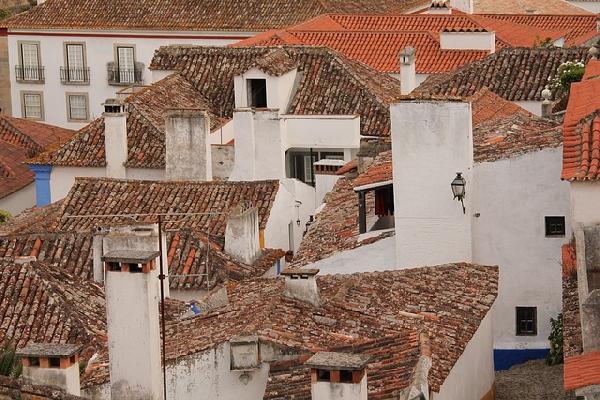
The Castle Walls: Your first activity should be to walk the perimeter of the castle walls. The path is narrow and has no railings in some sections, but the panoramic views over the village’s whitewashed houses, red-tiled roofs, and the surrounding countryside are absolutely breathtaking.
Rua Direita: This is the main street that runs through the heart of Óbidos. Lined with colorful houses that now host artisan shops, bookstores, and small cafes, it’s the perfect place for a leisurely stroll. Look for shops selling the local craft, Ginja de Óbidos.
Porta da Vila:The main gateway into the village is an attraction in itself. Adorned with beautiful 18th-century azulejo tiles depicting the Passion of Christ, it sets the tone for your visit.
The Castle (Pousada do Castelo):The castle itself has been converted into a luxurious historic hotel (pousada). Even if you’re not staying there, you can enter its courtyard and appreciate the formidable medieval architecture.
Culinary Delights in Óbidos
Ginja de Óbidos: This is the town’s signature drink. The sweet cherry liqueur is traditionally served in a small edible chocolate cup. You can buy a shot from numerous tiny stalls along Rua Direita.
Local Pastries: Look for Pão de Ló, a very soft and spongy cake, and other conventual sweets in the local bakeries.
Transportation to and in Óbidos
By Car: The most flexible option. The drive from Lisbon takes about 1 hour via the A8 motorway. Parking is available outside the walls.
By Bus: Regular services run from Lisbon’s Campo Grande bus station. The journey takes approximately 1 hour.
By Train: A scenic option from Lisbon’s Santa Apolónia or Oriente stations. The Óbidos train station is about a 10-15 minute walk from the village gates.
Inside Óbidos: The village is small and entirely pedestrianized. Exploring is done exclusively on foot.
Practical Tips for Óbidos
- Visit early in the morning or later in the afternoon to avoid the day-trip crowds.
- The village hosts several themed festivals throughout the year, such as the Medieval Market in July and the Chocolate Festival in spring. These are fantastic to experience but also very busy.
- Wear flat, comfortable shoes as the streets are entirely cobbled and can be slippery.
Part 3: Mafra National Palace – A Monument to Ambition
A short drive from both Lisbon and Óbidos stands one of Portugal’s most astounding architectural achievements: the Mafra National Palace. This monumental Baroque and Italianate complex was built in the 18th century by King João V, funded by gold and diamonds from Brazil. Its scale is staggering—comprising a royal palace, a massive basilica, and a Franciscan monastery.
A Tour of the Palace Complex
The Facade and Basilica:The sheer length of the palace facade (nearly 200 meters) is your first indication of its grandeur. At its center is the magnificent basilica, crowned with two imposing bell towers that house a carillon of 98 bells. The interior of the basilica is a showcase of precious marbles and intricate sculptures.
The Royal Apartments:Walk through the opulent halls where the king and queen lived in separate wings. The rooms are furnished with period furniture, stunning tapestries, and collections of decorative arts. The highlight for many is the Library, a breathtaking Rococo hall spanning 88 meters in length. It houses over 36,000 leather-bound books and is inhabited by a colony of small bats that protect the manuscripts from insects.
The Monastery and Cerco Garden:The complex includes the monastic cells, the hospital, and the kitchen. A short walk away is the Tapada Nacional de Mafra, a vast royal hunting park that is now a protected landscape ideal for hiking and observing wildlife.
Culinary Aspects Near Mafra
The town of Mafra has its own culinary specialties. Look for:
Pão de Mafra: A large, round loaf of bread with a distinctive taste.
Sopa Cachola:A traditional meat-based soup.
Santinhos:A local almond-based pastry.
Transportation to Mafra Palace
By Car:The most straightforward way. It’s about a 40-minute drive from Lisbon and 30 minutes from Óbidos via the A8 and A21.
By Bus:The “Mafrense” bus company operates regular services from Lisbon’s Campo Grande station to Mafra.
Practical Tips for Mafra Palace
- Check the official website for opening hours in advance, as they can vary.
- The palace is vast. Allocate at least 2-3 hours for a proper visit.
- The library is often the busiest part of the tour; patience is required to fully appreciate its beauty.
- Wear comfortable shoes as there is a significant amount of walking involved.
Crafting Your Itinerary: Lisbon – Óbidos – Mafra – Lisbon
A logical and efficient way to structure this trip is as a loop from Lisbon.
The Two-Day Itinerary (Recommended)
Day 1: Lisbon to Óbidos (Overnight in Óbidos)
- Morning: Pick up your rental car or take a bus/train from Lisbon to Óbidos.
- Afternoon: Explore Óbidos. Walk the walls, wander Rua Direita, sample Ginja, and soak in the medieval atmosphere.
- Evening: Enjoy a traditional dinner within the village walls and experience Óbidos after the day-trippers have left.
Day 2: Óbidos to Mafra Palace and back to Lisbon
- Morning: After breakfast, drive from Óbidos to Mafra National Palace (approx. 30 mins).
- Late Morning/Afternoon: Spend 2-3 hours exploring the vast palace complex, including the royal apartments, basilica, and the magnificent library.
- Late Afternoon: Drive back to Lisbon (approx. 40 mins), returning your rental car if you have one.
The One-Day Itinerary (Ambitious)
If you are short on time, it is possible to visit both Óbidos and Mafra Palace on a long day trip from Lisbon by car. Start early, visit Óbidos in the morning to beat the crowds, have lunch, then drive to Mafra for an afternoon tour before returning to Lisbon. This will be a packed day but entirely feasible.
The Three-Day Itinerary (Leisurely)
For a more relaxed pace, spend two full days in Lisbon, then dedicate a third day to a rental car trip to Óbidos and Mafra. This allows you to fully immerse yourself in Lisbon’s neighborhoods before enjoying a more focused day of historical exploration outside the city.
Cultural Insights and Final Thoughts
This journey from Lisbon through Óbidos to Mafra provides a profound insight into different chapters of Portuguese history. Lisbon tells the story of exploration and maritime power, resilience after disaster, and modern cultural revival. Óbidos represents Portugal’s medieval soul—romantic, fortified, and deeply traditional. Mafra Palace is a testament to absolute monarchy’s wealth and ambition during a golden age, an awe-inspiring symbol of baroque excess and artistic achievement.
The contrasts between these destinations are what make this itinerary so rewarding. You move from the lively, sprawling capital to an intimate, preserved village, and finally to an overwhelming palace that seems to defy scale. Each place offers a unique flavor, both literally and figuratively, creating a rich and unforgettable Portuguese experience.
A final practical note: While public transport can connect these points (bus/train to Óbidos, bus to Mafra), renting a car provides maximum flexibility and significantly reduces travel time between Óbidos and Mafra Palace, making for a much smoother and more enjoyable trip.