A Grand Egyptian Adventure: Cairo, Hurghada, Luxor, Edfu, Kom Ombo, Aswan & the Sleeper Train
Embarking on a journey through Egypt is to walk in the footsteps of pharaohs, to trace the lifeline of the mighty Nile, and to witness the monumental legacy of one of history’s greatest civilizations. This comprehensive travel guide details a classic circuit, taking you from the chaotic capital of Cairo, through the sun-drenched resorts of the Red Sea, and deep into the heart of ancient Egypt along the Nile Valley, culminating in a nostalgic overnight train journey.
Part 1: Cairo – The Vibrant Capital
Cairo is a sprawling, bustling metropolis where ancient and modern coexist in a vibrant, often chaotic, symphony. It is the gateway to Egypt and home to its most famous icons.
Attractions & Experiences
The Giza Plateau: No visit to Egypt is complete without standing before the last surviving wonder of the ancient world. The Pyramids of Giza—Khufu, Khafre, and Menkaure—are as awe-inspiring as imagined. Arrive at opening time to avoid the worst of the crowds and heat. Don’t miss the Sphinx, the enigmatic guardian of the plateau. The Solar Boat Museum, housing a miraculously preserved cedarwood boat, is also a fascinating stop.
The Egyptian Museum (Tahrir Square): A treasure trove of antiquities, this iconic pink building is a labyrinth of history. While it can feel overwhelming, the highlights are unmissable: the golden riches from Tutankhamun’s tomb, the Royal Mummy Room (requires a separate ticket), and countless statues, jewelry, and artifacts. Note: Many of the most significant pieces are gradually being moved to the new Grand Egyptian Museum (GEM); check its opening status before your trip.
Khan el-Khalili Bazaar: Lose yourself in this sprawling, centuries-old market. It’s a sensory overload of fragrant spices, glittering lanterns, intricate metalwork, and the constant call of merchants. Practice your bargaining skills, sip sweet mint tea at the famous El Fishawy café, and simply absorb the atmosphere.
Islamic Cairo: Explore the historic mosques and madrasas. The Citadel of Saladin offers panoramic views of the city and houses the stunning Alabaster Mosque of Muhammad Ali. Wander through the nearby streets to discover other architectural gems like the Mosque-Madrassa of Sultan Hassan.
Coptic Cairo: A tranquil enclave representing Egypt’s Christian heritage. Visit the Hanging Church (Al-Muallaqa), built atop a Roman gatehouse, the Coptic Museum, and the Ben Ezra Synagogue, believed to be the site where baby Moses was found.
Cairo Food & Drink
Cairo’s food scene is diverse and delicious. Street food is a must-try.
Koshary: Egypt’s national dish—a hearty mix of rice, lentils, chickpeas, pasta, and crispy fried onions, topped with a spicy tomato-vinegar sauce.
Ful Medames: A staple breakfast of mashed fava beans served with olive oil, garlic, and lemon.
Taameya (Egyptian Falafel): Made with fava beans instead of chickpeas, resulting in a greener, fluffier interior.
Grilled Meats: Try kofta (spiced minced meat skewers) and kebab.
Qahwa (Coffee): Strong, thick, and often flavored with cardamom.
Shai (Tea): Served black and very sweet, often with mint (shai na’na’).
Practical Tips for Cairo
Transportation: Use ride-hailing apps like Uber or Careem for convenient and hassle-free trips. The Cairo Metro is efficient for longer distances but can be very crowded.
Guides: Hiring a knowledgeable Egyptologist guide for the pyramids and museum is highly recommended to understand the deep history and context.
Tipping (Baksheesh): Tipping is ingrained in the culture. Have small Egyptian pound notes (EGP) ready for restroom attendants, anyone who offers a small service, and waitstaff.
Dress Code: Dress modestly, especially when visiting religious sites. For women, covering shoulders and knees is respectful.
Part 2: Hurghada – The Red Sea Resort
A flight or long drive from Cairo brings you to Hurghada, a resort town on the Red Sea coast. It serves as a perfect contrast to the historical intensity of Cairo and Luxor, offering relaxation and world-class underwater activities.
Attractions & Experiences
Snorkeling and Diving: The primary reason to visit Hurghada is its access to the Red Sea’s vibrant coral reefs. The water is crystal clear and teeming with colorful marine life. Day trips by boat to sites like Giftun Island are widely available.
Desert Safaris: Venture into the Eastern Desert for a quad-biking or jeep safari. You can visit a Bedouin village, experience a traditional tea ceremony, and enjoy a spectacular desert sunset.
Marina: Hurghada’s modern marina is a pleasant place for an evening stroll, lined with shops, cafes, and restaurants.
Practical Tips for Hurghada
- This is a resort town; many visitors opt for all-inclusive packages.
- Bargain aggressively in the old “El Dahar” district’s shops.
- The best diving conditions are typically from April to October.
Part 3: Luxor – The World’s Greatest Open-Air Museum
A short flight or a longer drive from Hurghada takes you to Luxor, ancient Thebes. This city is the undisputed highlight for history enthusiasts, split between the East and West Banks of the Nile.
The East Bank: Temples of the Living
Karnak Temple Complex: This is not a single temple but a vast city of temples built over 2,000 years. Walking through the Great Hypostyle Hall, with its 134 massive columns, is a humbling experience. Don’t miss the sacred lake and the towering obelisks.
Luxor Temple: Located in the heart of the modern city, this temple is beautifully illuminated at night, making a sunset or evening visit particularly magical. It was connected to Karnak by a 3-kilometer avenue of sphinxes.
The West Bank: Theban Necropolis – City of the Dead
Valley of the Kings: The burial place of pharaohs like Tutankhamun, Ramses II, and Seti I. Your ticket typically allows entry to three tombs (Tutankhamun requires a separate ticket). The vivid colors preserved in some tombs, like that of Ramses VI, are breathtaking.
Temple of Hatshepsut (Deir el-Bahari): A stunning mortuary temple built into the cliffs. Its modern, multi-level design is unique and dedicated to one of Egypt’s few female pharaohs.
The Colossi of Memnon: Two massive stone statues of Pharaoh Amenhotep III that have stood guard over the valley for 3,400 years.
Valley of the Queens & Tombs of the Nobles: For those with more time, these sites offer equally impressive art with fewer crowds.
Luxor Food & Transport
Enjoy fresh Nile perch and other local dishes. Transportation between the East and West Banks is via public ferry or private taxi. A hot air balloon ride at dawn over the West Bank provides an unforgettable perspective.
Part 4: The Nile Cruise: Edfu & Kom Ombo
The most relaxing way to travel from Luxor to Aswan is by Nile cruise ship. This multi-day journey allows you to witness rural Egyptian life along the riverbanks and stop at key temples along the way.
Edfu: Temple of Horus
The Temple of Horus at Edfu is one of the best-preserved temples in Egypt. Dedicated to the falcon-headed god Horus, its massive pylons, courtyards, and hypostyle halls are almost completely intact. The reliefs on the walls provide invaluable insight into ancient Egyptian mythology and temple construction.
Kom Ombo: The Double Temple
This unique temple is dedicated to two gods: the crocodile god Sobek and the falcon god Haroeris (Horus the Elder). The temple is perfectly symmetrical, with two parallel sanctuaries. The nearby Crocodile Museum displays mummified crocodiles, once revered as manifestations of Sobek.
Part 5: Aswan – Nubian Heartland
Aswan has a distinctly different atmosphere from Luxor—more relaxed, with a strong Nubian influence and stunning natural scenery.
Attractions & Experiences
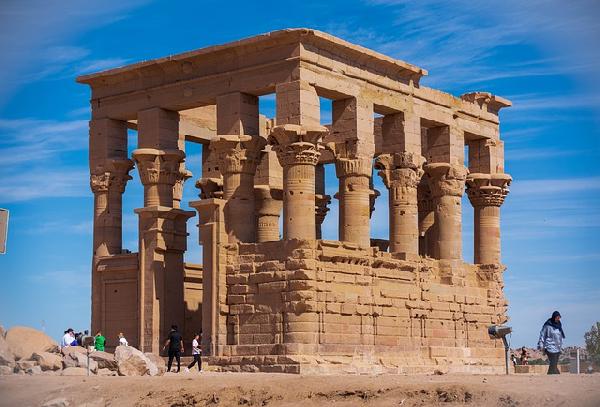
Philae Temple: Dedicated to the goddess Isis, this temple was meticulously relocated to Agilkia Island after being submerged by the old Aswan Dam. The boat ride to the island and the temple’s beautiful island setting are magical.
Aswan High Dam: A modern engineering marvel that created Lake Nasser and controls the Nile’s floodwaters. The viewpoint offers a sense of its immense scale.
The Unfinished Obelisk: Still lying in its granite quarry, this massive obelisk shows how these monumental stones were carved. A crack meant it was never completed.
Nubian Village: Take a small motorboat to a Nubian village on the West Bank. The houses are painted in bright blues, yellows, and pinks, and you can learn about Nubian culture and hospitality.
Abu Simbel (Optional Day Trip): While a long drive (approx. 3 hours each way), the temples of Ramses II and Queen Nefertari at Abu Simbel are arguably Egypt’s most spectacular. The colossal statues and their relocation to avoid Lake Nasser’s waters are awe-inspiring.
Aswan Food & Culture
The Nubian culture is prominent here. Try Nubian-style food, which often includes spiced fish and different types of bread. The Aswan market is less touristy than Cairo’s Khan el-Khalili and offers a more local experience.
Part 6: The Sleeper Train Back to Cairo
The overnight sleeper train from Aswan (or Luxor) back to Cairo is a classic Egyptian travel experience. Operated by Watania Sleeping Trains, it combines transportation and accommodation in one.
The Experience
The Compartment: You get a private two-bunk cabin. Seats convert into beds, and an attendant provides clean bedding. The space is compact but functional.
The Meal: Dinner (a simple hot meal like chicken or fish with rice and vegetables) and a basic breakfast (bread, jam, cheese, tea/coffee) are included and served in your compartment.
The Journey: The train departs Aswan in the evening (around 6-8 PM) and arrives in Cairo early the next morning (around 6-8 AM). The rhythm of the tracks is quite soothing for sleeping.
Practical Tips for the Sleeper Train
Book in Advance: Especially during peak season.
Manage Expectations: It is not a luxury experience but a functional and nostalgic one. The bathrooms at the end of the carriage are basic.
Security: Keep your valuables with you in your bed. The cabin door has a lock.
What to Bring: Bottled water, hand sanitizer/wipes, snacks, and earplugs if you’re a light sleeper.
A Final Farewell in Cairo
Arriving back in Cairo in the morning, you have time for some last-minute souvenir shopping at Khan el-Khalili, a final meal of koshary, or a visit to any sites you may have missed before heading to the airport for your departure. This grand circuit offers an unparalleled journey through time, from the deserts of Giza to the depths of the Red Sea and the timeless flow of the Nile.
General Travel Tips for Egypt
Best Time to Visit: October to April offers the most pleasant weather. Summer (May-September) is extremely hot.
Visa: Most nationalities can obtain a visa on arrival at Cairo International Airport or apply for an e-visa online before travel.
Currency: Egyptian Pound (EGP). Have cash on hand for small purchases and tipping; credit cards are accepted in larger hotels and some shops.
Hydration & Health: Drink plenty of bottled water. Be cautious with street food; ensure it’s freshly cooked. “Pharaoh’s Revenge” (traveler’s diarrhea) is common.
Cultivate Patience: Egypt operates on its own time. Haggling is expected in markets. A sense of humor and patience will greatly enhance your experience.