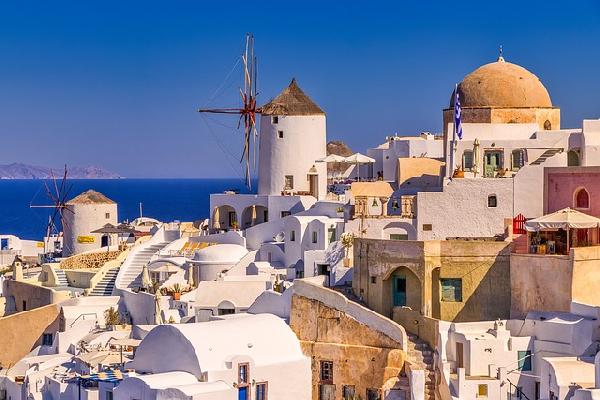
A Comprehensive Travel Guide to Greece: Athens, Peloponnese, Zakynthos, Mycenae, Santorini, and Meteora
This itinerary offers a deep dive into the heart of Greece, blending ancient history, stunning natural beauty, iconic landscapes, and profound spirituality. Travelers will experience the cradle of Western civilization in Athens and the Peloponnese, witness the shipwreck on Zakynthos, marvel at the sunsets of Santorini, and seek enlightenment in the monasteries of Meteora. This guide provides a detailed, practical, and immersive plan for this unforgettable journey.
Part 1: Arrival and Exploration in Athens
Athens, the historical capital of Europe, is the starting point for any Greek adventure. A city where ancient ruins stand in the shadow of modern structures, it offers a vibrant and chaotic introduction to the country.
Key Attractions in Athens
The Acropolis and Parthenon: The quintessential symbol of classical Greece. Visitors should purchase a combo ticket online to skip the long queues and access multiple archaeological sites. Early morning or late afternoon visits are recommended to avoid the peak heat and crowds.
Acropolis Museum: A state-of-the-art museum housing the treasures found on the Acropolis slope. Its glass floors reveal ruins below, and the top-floor Parthenon Gallery offers a breathtaking view of the Acropolis itself.
Ancient Agora: The heart of ancient Athenian public life, where Socrates philosophized and St. Paul preached. The beautifully preserved Temple of Hephaestus and the reconstructed Stoa of Attalos are highlights.
Plaka and Anafiotika: Wandering through the labyrinthine streets of Plaka, nestled at the foot of the Acropolis, feels like stepping into a village. The tiny, whitewashed Anafiotika neighborhood offers a Cycladic vibe with stunning views.
National Archaeological Museum: Home to the world’s richest collection of artifacts from Greek antiquity, including the Mask of Agamemnon and the Antikythera Mechanism.
Athens Food & Drink
Athenian cuisine is a celebration of fresh ingredients. Must-try dishes include:
Souvlaki and Gyros: The ultimate street food, best enjoyed from a local ‘souvlatzidiko’.
Moussaka: A rich baked casserole of eggplant, minced meat, and béchamel sauce.
Horiatiki (Greek Salad): A simple salad of tomatoes, cucumber, onion, feta cheese, and olives, dressed with olive oil and oregano.
Fresh Seafood: Seek out tavernas in neighborhoods like Piraeus or Mikrolimano for grilled octopus, fried calamari, and barbounia (red mullet).
For a unique experience, visit the central Varvakios Agora (market) to see the vibrant fish, meat, and produce stalls.
Transportation & Accommodation in Athens
Getting Around: The Athens Metro is efficient, clean, and connects the airport to the city center (Blue Line). It’s the best way to reach most major sites. Tickets are validated upon entry. Taxis and ride-sharing apps are also widely available.
Staying: For first-time visitors, areas like Plaka, Syntagma, and Koukaki offer proximity to major sites. For a more local and trendy vibe, consider Psiri or Metaxourgeio.
Part 2: The Peloponnese & Zakynthos Island Loop
Leaving Athens, this leg of the journey explores the rugged beauty and profound history of the Peloponnese peninsula before hopping over to the Ionian island of Zakynthos.
Mycenae: The City of Agamemnon
A short drive from Athens lies Mycenae, the powerful kingdom of the mythical Agamemnon.
Attractions: Enter through the famous Lion Gate, explore the Royal Palace complex, and descend into the remarkable Treasury of Atreus (a beehive tomb). The on-site museum provides essential context to the ruins.
Transportation: Mycenae is best reached by rental car. Organized day trips from Athens are also available but offer less flexibility.
Cultural Insight: This site represents the zenith of the Mycenaean civilization (c. 1600-1100 BC), which inspired Homer’s epics, the Iliad and the Odyssey.
The Peloponnese Peninsula
Continuing deeper into the Peloponnese reveals a diverse landscape of mountains and coastline.
Ancient Corinth & Canal: Stop at the Corinth Canal to see the spectacular man-made gorge before exploring the extensive ruins of Ancient Corinth, once one of Greece’s most powerful city-states.
Nafplio: Often considered Greece’s most beautiful city, Nafplio is a perfect base. Its cobblestone streets, Venetian architecture, and the Palamidi Fortress overlooking the sea are enchanting.
Epidaurus: Famous for its incredibly well-preserved ancient theatre with near-perfect acoustics. Even a whisper on the stage can be heard in the top rows.
Zakynthos (Zante) Island
A ferry from Kyllini port on the Peloponnese coast transports travelers to Zakynthos, an Ionian island known for its stunning beaches and vibrant nightlife.
Navagio (Shipwreck) Beach: The island’s iconic landmark—a rusted shipwreck on a secluded white-pebble cove accessible only by boat. Boat tours depart from various ports. The view from the clifftop lookout is equally breathtaking.
The Blue Caves: On the northern tip of the island, these sea arches and caves glow with an ethereal blue light due to sunlight refraction.
Caretta-caretta Turtles: Laganas Bay is a major nesting ground for the loggerhead sea turtle. Responsible boat tours operate to observe them without disturbance.
Food & Accommodation: Try pastitsada (a spicy meat and pasta dish) and bourdeto (a spicy fish stew). Stay in Zakynthos Town for history, Laganas for nightlife, or Vassilikios for family-friendly beaches.
Part 3: Return to Athens and Journey to Santorini
After returning to Athens from Zakynthos via the Peloponnese, travelers embark on the quintessential Greek island experience.
Santorini: The Volcanic Gem
Santorini is the result of a massive volcanic eruption, which created its dramatic caldera cliffs and stunning vistas. It is reached by a scenic flight or a 5-8 hour ferry from Piraeus port in Athens.
Key Attractions in Santorini
Oia Sunset: The world-famous sunset over the caldera is a daily pilgrimage for visitors. Arrive early to secure a good viewing spot along the castle walls.
Fira and Firostefani: The bustling capital, Fira, clings to the edge of the caldera. A scenic cliff-path walk north leads to Firostefani and Imerovigli, offering quieter and equally spectacular views.
Akrotiri Archaeological Site: A Minoan Bronze Age settlement buried by volcanic ash (like Pompeii), offering a fascinating glimpse into a sophisticated prehistoric society.
Red Beach & Perissa Black Sand Beach: Unique beaches colored by volcanic minerals. The Red Beach is accessed by a short path from Akrotiri.
Volcano & Hot Springs Tour: Boat tours take visitors to the still-active Nea Kameni volcano for a hike to the crater, followed by a swim in the warm, sulphuric waters of the nearby hot springs.
Santorini Food & Drink
Santorini’s volcanic soil produces unique produce.
Fava: A delicious yellow split pea purée, typically served with capers and onions.
White Eggplant: Sweeter and less bitter than its purple relative, often fried or baked.
Domatoes Keftedes: Sun-dried tomato fritters, a local specialty.
Assyrtiko Wine: Santorini’s signature crisp, dry white wine. Visit a vineyard in villages like Megalochori or Pyrgos for a tasting.
Santorini Accommodation Tips
The quintessential Santorini experience is a stay in a caldera-view cave hotel in Oia, Fira, or Imerovigli. These offer unparalleled privacy and views but are premium-priced. For more budget-friendly options with beach access, look to Kamari or Perissa.
Part 4: The Spiritual Finale in Meteora and Departure
The final leg of this grand tour moves from the Aegean Sea to the mainland’s mountainous heartland for a truly awe-inspiring experience.
Kalambaka (Kastraki) and Meteora
The town of Kalambaka (and its neighboring village Kastraki) sits at the foot of the Meteora rock formations. It is best reached by train from Athens (Larissis Station), a scenic 4-5 hour journey through the Greek countryside.
The Monasteries of Meteora
A UNESCO World Heritage site, Meteora is home to Eastern Orthodox monasteries perched precariously on top of immense natural rock pillars.
Visiting the Monasteries: Of the original 24, six are active and open to the public. A popular circuit includes Great Meteoron (the largest), Varlaam, Roussanou, and St. Stephen’s (the most accessible).
Dress Code: Shoulders must be covered, and men must wear long trousers while women must wear skirts below the knee. Skirts are often provided at the entrance if needed.
Transportation: The monasteries are spread out. The most flexible way to visit is by rental car or taxi. Local tour buses also operate from Kalambaka.
Cultural Insight:: The monasteries were built from the 14th century onwards by monks seeking spiritual isolation. They represent a unique example of Byzantine art and architecture and remain an active center of monastic life.
Sunrise/Sunset Tours:: For a magical experience, join a tour or hike to a viewpoint at sunrise or sunset when the light transforms the landscape.
The Return to Athens and Departure
The train journey back to Athens provides time to reflect on an incredible journey through millennia of history and diverse landscapes. From Athens’ Larissis Station, it is a straightforward metro or taxi ride to the airport for international departure.
Final Practical Tips for the Journey
Best Time to Travel:: Late spring (May-June) and early autumn (September-October) offer ideal weather—warm but not scorching—and fewer crowds.
Transportation Summary:: A combination of rental car (for Peloponnese/Meteora flexibility), domestic flights (Athens-Santorini), ferries (to islands), and trains (to Meteora) is most efficient.
Cuisine Deep Dive:: Don’t be afraid to venture away from tourist menus. Look for tavernas filled with locals (“meni” or menu boards are a good sign) and try regional specialties in each area.
Cultural Etiquette:: A simple “kalimera” (good morning) or “efharisto” (thank you) in Greek is always appreciated. Dress modestly when visiting churches and monasteries.
Pacing:: This is an ambitious itinerary covering much ground. Allow for at least 2-3 nights in each major location (Athens, Peloponnese/Zakynthos, Santorini) to avoid being constantly on the move.
This comprehensive route through Greece offers an unparalleled blend of ancient wonders, natural spectacles, culinary delights, and spiritual reflection, creating memories that will last a lifetime.