A Comprehensive Travel Guide: Seville, Carmona & Córdoba
This guide details a classic Andalusian circuit, starting and ending in the vibrant capital of Seville, with day trips to the ancient hilltop town of Carmona and the magnificent Moorish city of Córdoba. This journey offers a profound immersion into the rich tapestry of Spanish history, culture, and gastronomy.
Introduction to the Route
The triangular route of Seville-Carmona-Córdoba-Seville is one of the most rewarding itineraries in southern Spain. It encapsulates the essence of Andalusia: the fervent passion of Flamenco, the profound legacy of Al-Andalus, the solemnity of Holy Week processions, and the simple pleasure of tapas in a sun-drenched plaza. Travelers can expect a journey through time, from Roman ruins and breathtaking Moorish architecture to grand Gothic cathedrals and lively modern streets.
Recommended Duration: 4-5 days minimum.
Best Time to Visit: Spring (March-May) and Autumn (September-October) for pleasant temperatures. Summers are extremely hot.
Cultural Focus: Moorish history, Flamenco, religious festivals, and tapas culture.
Seville: The Heart of Andalusia
Seville is the vibrant, passionate, and beautiful capital of Andalusia. It’s a city where orange trees line the streets, the sound of Flamenco echoes in the alleys of Santa Cruz, and history is palpable around every corner.
Top Attractions in Seville
Seville Cathedral and La Giralda: The largest Gothic cathedral in the world, built on the site of a grand mosque. Its bell tower, La Giralda, is the former minaret and offers unparalleled views of the city. The interior houses the tomb of Christopher Columbus.
Real Alcázar: A stunning royal palace complex with origins in the Moorish period. Its Mudejar architecture, lush gardens, and intricate tilework are a highlight of any visit. Advance online booking is essential to avoid long queues.
Plaza de España: A magnificent semi-circular brick building constructed for the 1929 Ibero-American Exposition, featuring tiled alcoves representing different regions of Spain and a canal where visitors can rent rowboats.
Barrio Santa Cruz: The city’s historic Jewish quarter, a labyrinth of narrow, winding streets, whitewashed houses, hidden plazas, and charming courtyards filled with flowers.
Metropol Parasol (Las Setas): A modern wooden structure claiming to be the largest in the world. The rooftop walkway provides a unique perspective over the old city.
Triana Neighborhood: Cross the Isabel II Bridge to enter Triana, the birthplace of Flamenco and famous for its ceramic workshops and lively tapas bars.
Seville Food & Drink
Seville is a tapas paradise. The culture revolves around hopping from bar to bar, sampling small plates with a drink.
Must-Try Dishes: Spinach with chickpeas (Espinacas con Garbanzos), Fried fish (Pescaito Frito), Salmorejo (a thicker, creamier version of Gazpacho), Iberian ham (Jamón Ibérico), and Bull’s Tail stew (Rabo de Toro).
Tapas Bars: Explore the areas around Calle Mateos Gago in Santa Cruz and Calle Betis in Triana. El Rinconcillo, founded in 1670, is the city’s oldest bar.
Sweets: Try Torrijas (a Spanish French toast) and Yemas de San Leandro (sweet egg yolk candies).
Transportation in Seville
The historic center is very walkable. For longer distances, the city has a good bus network, a modern tram line, and a bike-sharing scheme (Sevici). Taxis are plentiful and relatively inexpensive.
Accommodation Tips for Seville
Staying in the historic center (Santa Cruz, El Arenal, near the Cathedral) is ideal for first-time visitors for proximity to major sights. For a more local vibe, consider the Macarena or Triana neighborhoods. Book well in advance, especially during Holy Week or the April Fair.
Day Trip to Carmona
Perched on a ridge overlooking the fertile plains of the Corbones River, Carmona is one of Andalusia’s oldest and most beautiful towns. Its rich history is visible in its Roman, Moorish, and Christian monuments.
Getting to Carmona from Seville
Carmona is easily accessible by bus from Seville’s Plaza de Armas station. The journey with companies like Alsina Graells takes about 45 minutes. Driving is also straightforward via the A-4 motorway (approx. 30 minutes).
Top Attractions in Carmona
Roman Necropolis: An extensive Roman burial site dating from the 1st century BC, featuring impressive tomb chambers and an underground columbarium.
Alcázar de la Puerta de Sevilla: A fortified gate and castle complex with origins in Carthaginian times, later expanded by Romans and Moors. It offers fantastic views from its towers.
Santa María la Mayor Church: Built on the site of a former main mosque, whose patio (Patio de los Naranjos) and minaret remain.
The Town Center: Wander through the charming white streets, visit the bustling Plaza de San Fernando, and admire the many noble mansions with their grand facades.
Parador de Carmona: Housed in a 14th-century Moorish fortress, this state-run hotel is worth a visit for a drink on its terrace, which boasts one of the most breathtaking panoramic views in Andalusia.
Carmona Food & Cultural Insights
Carmona offers a more rustic and traditional taste of Andalusian cuisine. Try local olive oil, wines from the region, and game dishes. The town is significantly quieter than Seville, offering a glimpse into authentic Spanish life. Its strategic location has made it a prized possession for every civilization that has settled here, leaving a deep historical imprint.
Day Trip to Córdoba
Córdoba was once the capital of the Islamic Caliphate in Al-Andalus and one of the most advanced cities in the world. Today, it is a UNESCO World Heritage site famous for its mesmerizing Mezquita-Catedral.
Getting to Córdoba from Seville
The most efficient way to travel is by high-speed train (AVE or AVANT) from Seville’s Santa Justa station. The journey takes approximately 45 minutes. Buses are also available and are cheaper but take around 1 hour 45 minutes.
Top Attractions in Córdoba
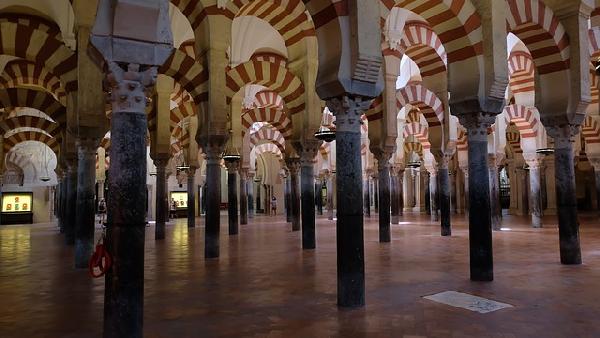
Mezquita-Catedral (Mosque-Cathedral): Córdoba’s iconic landmark. The forest of red-and-white striped arches inside the original mosque is an unforgettable sight. The Renaissance cathedral built at its center creates a stunning architectural juxtaposition.
Judería (Jewish Quarter): A maze of narrow alleys, flower-bedecked patios, and whitewashed streets surrounding the Mezquita. Don’t miss the Synagogue and the small Zoco (artisan market).
Alcázar de los Reyes Cristianos: The fortress-palace of the Christian Monarchs, Ferdinand and Isabella. Its beautiful gardens with pools, fountains, and Roman mosaics are a highlight.
Roman Bridge and Calahorra Tower: The ancient bridge crossing the Guadalquivir River offers a classic view of the Mezquita. The tower at the far end houses a museum on the city’s history of coexistence.
Patio Festivals: If visiting in May, seek out the Festival de los Patios, where residents open their beautifully decorated courtyards to the public.
Córdoba Food & Drink
Córdoban cuisine reflects its hot climate and historical influences.
Must-Try Dishes: Salmorejo Cordobés (chilled tomato soup), Rabo de Toro (oxtail stew), Flamenquín (ham rolled in pork loin, breaded and fried).
Tapas Areas: The area around Plaza de la Corredera and the streets near the Mezquita are filled with excellent tapas bars.
Wine: Try Montilla-Moriles wine, a similar style to Sherry but produced in the nearby region.
Córdoba Cultural Insights
Córdoba was a renowned center of learning and culture during the Caliphate, where Muslims, Jews, and Christians coexisted for centuries. This period of “La Convivencia” (The Coexistence) left an indelible mark on the city’s architecture, cuisine, and spirit. The city’s famous patios are a direct reflection of Roman and Moorish traditions of creating cool, green oases within the home.
Practical Travel Information
Transportation Summary
Between Cities: Train is highly recommended for Seville-Córdoba. Bus is best for Seville-Carmona. Renting a car offers maximum flexibility for exploring smaller towns.
Tickets: Book AVE train tickets in advance for the best prices on Renfe’s website.
Accommodation Strategy
It is most practical to use Seville as a base for this entire itinerary. Both Carmona and Córdoba are easily visited as day trips, saving you the hassle of changing hotels. However, spending one night in Córdoba allows for a more leisurely experience of the city in the evening after day-trippers have left.
Cultural Etiquette & Tips
Siesta: Many smaller shops close between 2:00 PM and 5:00 PM.
Meal Times: Lunch is typically from 2:00 PM to 4:00 PM, and dinner is rarely before 9:00 PM.
Dress Code: When visiting churches and cathedrals, modest dress is required (shoulders and knees covered).
Language: Learning a few basic Spanish phrases (Hola, Gracias, Por favor) is appreciated.
Tipping: Small change is left in bars. In restaurants, 5-10% is customary for good service.
Sample 4-Day Itinerary
Day 1: Seville. Explore the Santa Cruz quarter, visit the Cathedral and Giralda. Evening tapas crawl in the El Arenal district.
Day 2: Seville. Morning at the Real Alcázar. Afternoon at Plaza de España and Maria Luisa Park. Evening Flamenco show in Triana.
Day 3: Córdoba Day Trip. Take an early train. Spend the day at the Mezquita-Catedral, wander the Judería, and visit the Alcázar gardens. Return to Seville in the evening.
Day 4: Carmona Day Trip. Take a morning bus. Visit the Roman Necropolis and Alcázar gate. Enjoy a long lunch with a view from the Parador. Return to Seville for a final evening.
Conclusion
The journey from Seville to Carmona and Córdoba is more than just a tour of cities; it is a passage through the layers of Andalusian history. From the passionate rhythm of Seville to the silent Roman tombs of Carmona and the awe-inspiring hybrid grandeur of Córdoba’s Mezquita, this route captures the soul of southern Spain—a land where diverse cultures have intertwined to create something truly unique and unforgettable.