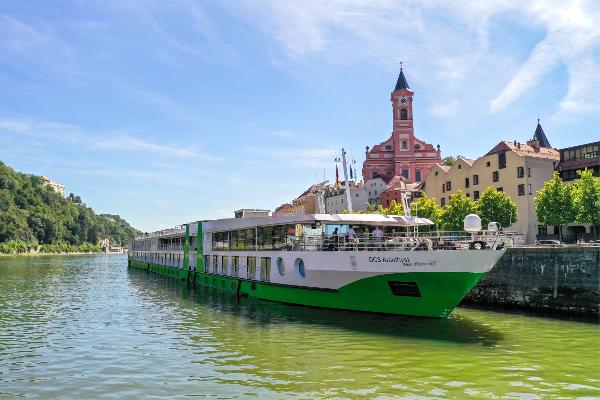
Rhine Valley Circuit: A Journey from Cologne to the Heart of the Rhineland
This comprehensive travel guide covers a circular route through Western Germany’s most captivating cities and landscapes, focusing on the UNESCO World Heritage Upper Middle Rhine Valley.
Introduction to the Rhine Valley Circuit
This itinerary forms a loop starting and ending in Cologne, taking you through the heart of Germany’s Rhine Valley. The journey encompasses world-class cities, quaint wine villages, and one of Europe’s most legendary river landscapes. The route is designed to be traveled by a combination of train and boat, offering both efficiency and scenic beauty. The total distance of the circuit is approximately 250 kilometers (155 miles), not including detours or local travel.
Route Overview
Cologne (Köln) → Koblenz (by train) → Rüdesheim am Rhein (by boat, the most scenic leg) → Mainz (by boat or train) → Back to Cologne (by train).
This guide provides an objective and practical resource for planning your trip, covering attractions, transportation, accommodation, dining, and essential tips.
Best Time to Visit
April – October: Ideal for river cruises, outdoor dining, and festivals. Warmest and busiest period.
Late September – October: Wine harvest season (a fantastic time for wine lovers).
November – March: Colder, fewer tourists. Christmas markets in December are a major highlight.
Cologne (Köln)
Cologne is a vibrant, historic metropolis on the banks of the Rhine. It is Germany’s fourth-largest city and a major cultural center, famously known for its towering Gothic cathedral, its vibrant Karneval celebrations, and its signature Kölsch beer.
Main Attractions
Cologne Cathedral (Kölner Dom): A UNESCO World Heritage site and Germany’s most visited landmark. This masterpiece of High Gothic architecture took over 600 years to complete. Visitors can climb the 533 steps to the viewing platform in the South Tower for a breathtaking panoramic view of the city and the Rhine.
Old Town (Altstadt): The reconstructed historic heart of Cologne, with colorful buildings, traditional breweries (Brauhäuser), and shops. The Old Market (Alter Markt) and Heumarkt squares are central hubs of activity.
Museum Ludwig: Houses one of Europe’s most important collections of modern art, including masterpieces by Picasso, Warhol, and a significant collection of German Expressionism.
Roman-Germanic Museum (Römisch-Germanisches Museum): Located right next to the cathedral, this museum showcases Cologne’s Roman history, with the magnificent Dionysus Mosaic as its centerpiece.
Hohenzollern Bridge: The railway and pedestrian bridge famous for the thousands of “love locks” attached to its fence. It offers one of the best photo opportunities of the cathedral.
Chocolate Museum (Schokoladenmuseum): A popular museum detailing the history of chocolate, with a functioning miniature chocolate factory and a chocolate fountain.
Practical Information: Cologne
| Category | Details |
|---|---|
| Getting There & Away | Cologne Bonn Airport (CGN) has international connections. The city’s main train station (Köln Hauptbahnhof) is a major national and European rail hub, located directly next to the cathedral. High-speed trains (ICE) connect to Frankfurt, Berlin, Amsterdam, and Brussels. |
| Getting Around | The city center is very walkable. An extensive network of trams, buses, and underground trains (KVB) is efficient for longer distances. A day pass (“Tagesticket”) is cost-effective. |
| Accommodation | Wide range from luxury hotels near the cathedral to mid-range and budget options in the Belgisches Viertel or Deutz (across the river). |
| Food & Drink | Must-try: Kölsch (the local beer) and Halve Hahn (rye roll with cheese). Dine in a traditional Brauhaus like Früh am Dom, Päffgen, or Sion for an authentic experience. |
| Suggested Stay | 2-3 days |
Koblenz
Strategically located at the “German Corner” (Deutsches Eck), where the Rhine and Moselle rivers converge, Koblenz is a city steeped in 2,000 years of history. It serves as a gateway to the UNESCO-listed Upper Middle Rhine Valley.
Main Attractions
Deutsches Eck (German Corner): A headland marked by an impressive equestrian statue of Emperor Wilhelm I. It is a powerful national monument and offers spectacular views of the two rivers merging.
Ehrenbreitstein Fortress (Festung Ehrenbreitstein): One of the largest preserved fortresses in Europe, perched high on the east bank of the Rhine. Accessible by a cable car that provides stunning aerial views of Koblenz and the river confluence. The fortress houses museums and hosts events.
Old Town (Altstadt): A charming area with narrow cobblestone streets, historic buildings, and quaint squares like the Jesuitenplatz. The Schängel Fountain is a local landmark.
Electoral Palace (Kurfürstliches Schloss): A beautiful late 18th-century palace situated on the banks of the Rhine, surrounded by picturesque gardens.
Basilica of St. Castor (Basilika St. Kastor): Koblenz’s oldest church, founded in 836 AD, a significant historical and religious site.
Practical Information: Koblenz
| Category | Details |
|---|---|
| Getting There & Away | Approx. 1 hour by regional train (RE) from Cologne Hauptbahnhof. Koblenz is also a major stop for Rhine river cruises. |
| Getting Around | The city center is compact and walkable. The cable car to Ehrenbreitstein Fortress is a must-use form of transport. Local buses cover the entire city. |
| Accommodation | Options range from hotels with views of the Rhine to guesthouses in the Altstadt. |
| Food & Drink | The region is known for Riesling wines from both the Rhine and Mosel valleys. Try local dishes like “Döppekooche” (a potato bake). |
| Suggested Stay | 1-2 days |
The Scenic Rhine Journey: Koblenz to Rüdesheim
This approximately 4-hour leg of the trip is best experienced by boat. This is the core of the UNESCO World Heritage site, featuring over 40 castles, fortress ruins, and legendary landscapes.
Recommended: Take a KD (Köln-Düsseldorfer) German Rhine Line cruise or a similar service. Boats run frequently during the season. Sit on the open-air deck on the right (starboard) side for the best views of the most famous castles.
Key Sights Along the River (Southbound from Koblenz)
Lahneck Castle: Standing guard where the Lahn river meets the Rhine.
Marksburg Castle: The only hilltop castle on the Rhine never destroyed. It is impeccably preserved and open to visitors (accessible from Braubach).
The Loreley Rock: A steep slate rock rising 132 meters above the water. It is the narrowest and deepest point on the Rhine and the subject of a famous legend about a siren who lured sailors to their doom.
Pfalzgrafenstein Castle (Pfalz bei Kaub): A unique toll castle built in the middle of the river, resembling a stone ship.
Rheinstein Castle & Reichenstein Castle: Two of the many beautifully restored castles near Trechtingshausen.
| Aspect | Details |
|---|---|
| Boat Operators | KD Rhine Passage is the primary operator. Bingen-Rüdesheimer Ferry also offers services. |
| Ticketing | Tickets can be purchased at docks (Anlegestelle). Consider a day pass if you plan to hop on and off. Eurail and German Rail Passes may offer discounts. |
| Journey Time | Koblenz to Rüdesheim takes approx. 3.5 – 4.5 hours by scheduled boat service, depending on stops. |