Grand Balkan & Danube Circuit Travel Guide
This comprehensive guide details a remarkable circular journey starting and ending in Budapest, Hungary. The route takes you through the diverse landscapes and cultures of Hungary, Slovenia, Croatia, Bosnia & Herzegovina, and Serbia, showcasing stunning lakes, historic cities, dramatic coastlines, and vibrant capitals.
Introduction to the Itinerary
This is a multi-country tour ideal for a 2 to 3-week road trip. The route combines well-known European gems like Dubrovnik and Plitvice Lakes with the deeply fascinating and less-trodden paths of the Western Balkans, including Sarajevo and Belgrade. Travelers should be prepared for varying levels of tourist infrastructure, from the highly developed Croatian coast to the more raw and authentic experiences in Bosnia and Serbia.
1. Budapest, Hungary
Budapest, the “Pearl of the Danube,” is a grand city split by the river into historic Buda and vibrant Pest.
Key Attractions
Buda Castle & Castle Hill: A UNESCO World Heritage site, housing the Hungarian National Gallery and the Budapest History Museum. The funicular ride up is a classic experience.
Matthias Church: A stunning church with a colorful patterned roof, located in the heart of Castle District.
Fisherman’s Bastion: A fairy-tale terrace offering panoramic views of the Danube and Pest. Excellent for photography.
Hungarian Parliament Building: An iconic Gothic Revival masterpiece on the Pest side. Tours are available to see the Crown Jewels.
St. Stephen’s Basilica: Budapest’s largest church, named after the first King of Hungary. You can climb to the dome for a 360-degree view.
Széchenyi Thermal Bath: One of the largest spa complexes in Europe, located in City Park. A must-do for a relaxing soak in medicinal waters.
Dohány Street Synagogue: The largest synagogue in Europe, a beautiful and poignant site with a museum and memorial garden.
Practical Information
Getting There: Budapest Ferenc Liszt International Airport (BUD) is the main international gateway.
Getting Around: The city has an excellent and affordable public transport system (metro, trams, buses). A Budapest Card can offer good value.
Currency: Hungarian Forint (HUF). Euros are sometimes accepted but not universally; it’s better to use local currency.
Food Specialties: Goulash soup, Lángos (fried dough), Chicken Paprikash, and Dobos Torte.
2. Lake Balaton, Hungary
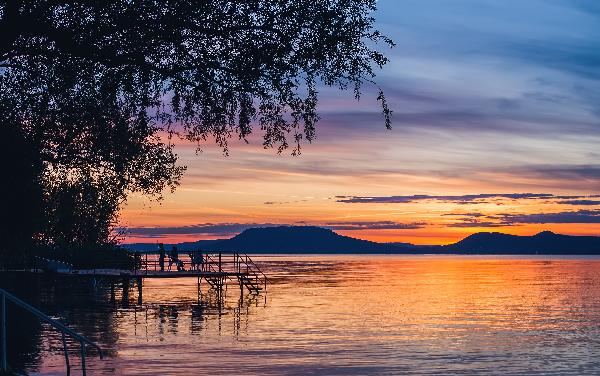
Lake Balaton is Central Europe’s largest freshwater lake, a popular holiday destination for Hungarians.
Key Attractions
Tihany Peninsula: Known for its lavender fields, Benedictine Abbey, and stunning views over the lake.
Hévíz: Home to the world’s second-largest thermal lake, perfect for year-round bathing in warm, therapeutic waters.
Keszthely: A charming town at the western end of the lake, featuring the magnificent Festetics Palace.
Badacsony: A volcanic hill region famous for its wine production. Enjoy wine tasting with a view of the lake.
Practical Information
Getting There: A 1.5-2 hour drive or train ride from Budapest.
Best Time to Visit: Late spring to early autumn (May to September) for swimming and outdoor activities.
3. Ljubljana, Slovenia
Slovenia’s charming capital is a green, pedestrian-friendly city with a vibrant cafe culture, dominated by a medieval castle.
Key Attractions
Ljubljana Castle: Overlooking the old town. Take the funicular up for history exhibits and panoramic views.
Prešeren Square & Triple Bridge: The heart of the city, designed by architect Jože Plečnik.
Tivoli Park: The city’s largest and most beautiful park, ideal for a stroll or run.
Dragon Bridge: An iconic symbol of Ljubljana, adorned with four dragon statues.
Central Market: A lively market along the riverbank, perfect for sampling local produce.
Practical Information
Getting There: Approximately a 3.5-hour drive from Lake Balaton.
Currency: Euro (EUR).
Food Specialties: Štruklji (rolled dumplings), Carniolan sausage, and potica (nut roll).
4. Lake Bled, Slovenia
A picture-perfect alpine lake with a church on an island and a castle clinging to a cliffside.
Key Attractions
Bled Island: Take a traditional “pletna” boat to the island and ring the wishing bell in the Church of the Assumption.
Bled Castle: Perched on a steep cliff, the castle offers the classic postcard view of the lake and island.
Vintgar Gorge: A stunning 1.6-kilometer wooden walkway winding through a dramatic gorge just a short drive from Bled.
Bled Cream Cake (Kremna Rezina): A must-try local dessert of vanilla custard and whipped cream between layers of puff pastry.
Practical Information
Getting There: A 45-minute drive from Ljubljana.
Activities: Rowing, hiking around the lake, or visiting in winter for a snowy fairy-tale scene.
5. Postojna Cave, Slovenia
One of the world’s most famous karst cave systems and a unique biological treasure.
Key Attractions
Cave Train Tour: A unique experience where a train takes you deep into the massive cave system, followed by a walking tour through magnificent stalactite and stalagmite formations.
The Human Fish (Proteus): See the famous olm, a blind amphibian that can live up to 100 years, in the cave’s aquarium.
Predjama Castle: Located 9km from the cave, this Renaissance castle is built dramatically into the mouth of a cave cliff.
Practical Information
Getting There: About a 45-minute drive from Ljubljana on the way towards Croatia.
Tickets: Book online in advance during peak season to avoid long queues.
6. Zagreb, Croatia
Croatia’s capital is a vibrant city with a rich history, split between the medieval Upper Town and the 19th-century Lower Town.
Key Attractions
Ban Jelačić Square:The central square and main meeting point of the city.
Upper Town (Gornji Grad): Home to St. Mark’s Church with its colorful tiled roof, the Croatian Parliament, and the iconic Lotrščak Tower.
Museum of Broken Relationships:A unique and moving museum dedicated to failed love relationships.
Dolac Market:A vibrant open-air market right above the main square, known as “Zagreb’s belly.”
Tkalčićeva Street:A lively pedestrian street filled with cafes and restaurants, perfect for people-watching.
Practical Information
Getting There:A 2-hour drive from Postojna Cave.
Currency:Croatian Kuna (HRK). Note: Croatia adopted the Euro (EUR) in January 2023.
Food Specialties:Štrukli (baked pastry with cheese), Zagrebački odrezak (schnitzel stuffed with ham and cheese).
7. Plitvice Lakes National Park, Croatia
A UNESCO World Heritage site and Croatia’s most famous natural attraction, known for its chain of 16 terraced lakes joined by waterfalls.
Key Attractions
The Lower Lakes:A series of lakes and waterfalls, including the Great Waterfall (Veliki Slap), the park’s highest at 78 meters.
The Upper Lakes:Characterized by clearer, turquoise waters and more gentle cascades set against forested hills.
Boardwalk Trails:A network of wooden boardwalks and bridges that allow you to walk directly over and alongside the flowing water.
Electric Boat & Train:The park ticket includes scenic transport across Lake Kozjak and a shuttle train between the upper and lower sections.
Practical Information
Getting There:A 2-hour drive from Zagreb.
Tickets:It is highly recommended to purchase tickets online in advance, especially in summer, as visitor numbers are limited.
What to Wear:Wear comfortable walking shoes with good grip as the trails and boardwalks can be wet and slippery.
8. Zadar, Croatia
A historic coastal city known for its unique blend of ancient Roman ruins and modern architectural installations.
Key Attractions
The Sea Organ (Morske Orgulje):An architectural sound art object that plays music using the energy of waves and tides.
The Greeting to the Sun (Pozdrav Suncu):A solar-powered light installation that creates a spectacular light show after sunset, located next to the Sea Organ.
Roman Forum:The remains of a forum built by Emperor Augustus, with St. Donatus’ Church, a 9th-century circular church, standing beside it.
The Land Gate:A magnificent Renaissance gate that was the main entrance to the city, built in 1543.
Practical Information
Getting There:A 2.5-hour drive from Plitvice Lakes National Park.
Cuisine:Excellent seafood. Try Maraschino, a famous cherry liqueur produced in Zadar since the 16th century.
9. Split, Croatia
Croatia’s second-largest city is built around the sprawling Roman Palace of Emperor Diocletian, which forms its historic core.
Key Attractions
Diocletian’s Palace:A living palace where people still live, work, and shop within its ancient walls. Explore its cellars, Peristyle square, and temples.
The Riva:The city’s bustling waterfront promenade, lined with palm trees, cafes, and restaurants.
Marjan Hill:A forested peninsula park offering hiking trails, scenic lookouts, and small churches. Perfect for escaping the city crowds.
Cathederal of St. Domnius:The world’s oldest Catholic cathedral still in use in its original structure. Climb the bell tower for incredible views.