A Comprehensive Travel Guide: Athens, Mainland Wonders, and Iconic Islands
This itinerary explores the profound historical depths of mainland Greece, the breathtaking monasteries of Meteora, the shipwrecked beauty of Zakynthos, the rugged landscape of the Peloponnese, and culminates with the world-famous sunsets of Santorini. It is a journey through time, nature, and culture.
Part 1: Athens – The Cradle of Western Civilization
Athens, the historical capital of Europe, is a vibrant metropolis where ancient wonders stand in the shadow of modern life. It is the essential starting point for any Greek adventure.
Main Attractions
The Acropolis & Parthenon: The iconic citadel overlooking the city. The Parthenon, a temple dedicated to the goddess Athena, is the pinnacle of classical Greek architecture. It is advisable to visit early in the morning or late in the afternoon to avoid the worst of the crowds and heat.
Acropolis Museum: A state-of-the-art museum housing the treasures found on the Acropolis slope. Its glass floors reveal archaeological excavations below, and the top-floor Parthenon Gallery offers a stunning view of the temple itself.
Ancient Agora: The heart of ancient Athenian public life, where Socrates philosophized and democracy was nurtured. The beautifully preserved Temple of Hephaestus stands here.
Plaka & Anafiotika: The old historical neighborhood of Athens, nestled at the foot of the Acropolis. Its labyrinthine streets are lined with neoclassical houses, shops, and tavernas. Anafiotika, a sub-district within Plaka, feels like a Cycladic island with its whitewashed homes.
Panathenaic Stadium: The only stadium in the world built entirely of marble, hosted the first modern Olympic Games in 1896.
Food & Drink
Athens offers a culinary scene ranging from traditional tavernas to modern gourmet restaurants. Must-try dishes include
Souvlaki (grilled meat skewers), Moussaka (an eggplant or potato-based dish), and fresh Horiatiki (Greek salad). For a sweet treat, try Loukoumades (honey doughnuts). Explore the Psiri and Koukaki neighborhoods for authentic dining experiences.
Transportation & Accommodation
Athens International Airport (ATH) is well-connected globally. The city’s metro system is efficient and links the airport to the city center. The key areas for accommodation are Plaka for charm, Syntagma for convenience, and Koukaki for a more local, up-and-coming vibe.
Part 2: Mainland Loop – Arachova, Delphi, and Meteora
This route heads north from Athens into central Greece, combining ancient mythology with awe-inspiring natural landscapes.
Day 1: Athens to Arachova & Delphi
Transportation: The most flexible way to undertake this journey is by rental car. The drive from Athens to Delphi takes approximately 2.5 hours. Buses are also available from Athens’ Liossion bus station.
Arachova: A charming mountain town perched on the slopes of Mount Parnassus. Often called the “Winter Mykonos,” it’s a popular ski resort in winter. Stroll its steep cobblestone streets, browse for woolen goods and handicrafts, and enjoy the crisp mountain air.
Delphi: In ancient times, Delphi was considered the center of the world. Visit the Archaeological Site, home to the Temple of Apollo where the Oracle once prophesied, the ancient theater, and the stadium. The adjacent Delphi Archaeological Museum houses incredible artifacts, including the famous Charioteer bronze statue.
Accommodation: Overnight in Delphi for stunning valley views or in Arachova for a more vibrant evening atmosphere.
Day 2: Delphi to Kalambaka (Meteora)
Transportation: The drive from Delphi to Kalambaka is about 3 hours through scenic countryside.
Kalambaka: A small town situated at the foot of the Meteora rocks. It serves as the primary gateway for visitors to the monasteries.
Day 3: Exploring Meteora
Meteora, meaning “suspended in the air,” is a UNESCO World Heritage site and one of Greece’s most spectacular sights. Giant rock pillars house centuries-old monasteries built by monks seeking spiritual isolation.
Great Meteoron: The largest and oldest of the monasteries, featuring a museum and a stunning chapel.
Varlaam Monastery: The second largest, known for its frescoes and original rope-lifted net.
Roussanou Monastery: Easily accessible via a small bridge and known for its peaceful convent.
St. Stephen’s Monastery: The most accessible, requiring no steps, and home to a rich collection of religious icons.
Tips: Dress modestly (shoulders and knees covered for both men and women). Consider a sunset tour or a hiking excursion for unparalleled views. The perspective from the rock opposite the monasteries at sunset is unforgettable.
Accommodation: Stay in Kalambaka or the nearby village of Kastraki, which is even closer to the rock formations.
Part 3: Zakynthos – The Island of Shipwrecks and Sea Turtles
Transportation: From Kalambaka, drive back to Athens (approx. 4 hours) to catch a flight to Zakynthos (ZTH). Alternatively, one can take a long-distance bus from Athens to Kyllini port and then a ferry to Zakynthos.
Zakynthos (Zante) is an Ionian island famed for its stunning beaches, vibrant nightlife, and wildlife conservation efforts.
Main Attractions
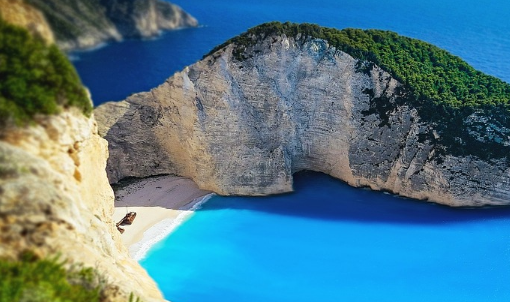
Navagio (Shipwreck) Beach: The iconic cove accessible only by boat, featuring a rusted shipwreck on white pebbles surrounded by towering cliffs. Boat tours depart from various points on the island.
Blue Caves: Located on Cape Skinari, these geological formations are best visited in the morning when the sunlight creates an ethereal blue reflection on the cave walls.
Laganas Bay & Marathonisi Island: A protected national marine park and a prime nesting ground for the loggerhead sea turtle (Caretta caretta). Take a responsible boat tour to observe them without disturbance.
Bohali Venetian Castle: Offers panoramic views over Zakynthos Town and the Ionian Sea, especially beautiful at sunset.
Food & Culture
The local cuisine is influenced by Venetian rule. Try specialties like
Sartza (a slow-cooked meat dish) and Mandolato (a nougat confection). The island has a strong musical tradition, and you may hear local “Kantades” (serenades) in tavernas.
Part 4: Peloponnese Peninsula – Ancient Kingdoms and Dramatic Landscapes
Transportation: Return to Athens by flight or ferry/bus combination. A rental car is highly recommended for exploring the Peloponnese.
The Peloponnese is a large peninsula rich in ancient history, Byzantine castles, and stunning coastal drives.
Suggested Route & Attractions
Corinth Canal: A brief stop on the way from Athens to witness this impressive man-made canal connecting the Aegean and Ionian Seas.
Ancient Corinth & Acrocorinth: Explore the ruins of one of antiquity’s most powerful city-states, then drive up to the massive fortress of Acrocorinth for breathtaking views.
Mycenae: The legendary city of King Agamemnon. Walk through the Lion Gate, see the royal tholos tombs, and imagine the world of Homer’s epics.
Epidaurus: Famous for its incredibly well-preserved ancient theater with perfect acoustics. Even a whisper on the stage can be heard in the top rows.
Nafplio: Often considered Greece’s most beautiful city, Nafplio is a romantic seaside town with Venetian architecture, Palamidi Fortress looming above, and charming cobblestone streets. It’s an ideal base for exploring the Argolis region.
Part 5: Santorini – The Volcanic Gem of the Aegean
Transportation: Return your rental car in Athens and fly from Athens International Airport (ATH) to Santorini (JTR). The flight is around 45 minutes. Ferries are also available from Piraeus port but take significantly longer (5-8 hours).
Santorini is a crescent-shaped island formed by a massive volcanic eruption. Its whitewashed villages clinging to caldera cliffs are world-renowned.
Main Attractions
Oia: The quintessential Santorini village, famous for its breathtaking sunsets. Explore its narrow pathways, art galleries, and blue-domed churches.
Fira: The bustling capital of the island, filled with shops, restaurants, and cafes along the caldera edge. You can take a cable car down to the old port or ride a donkey back up.
Red Beach & Perissa Beach: Unique beaches with red and black volcanic sand respectively.
Akrotiri Archaeological Site: A Minoan Bronze Age settlement buried by the volcanic eruption, often compared to Pompeii. It’s exceptionally well-preserved under layers of ash.
Volcano & Hot Springs Tour: Take a boat tour to the still-active volcanic island in the center of the caldera and swim in the warm, sulphuric waters of the hot springs.
Winery Tours: Santorini is famous for its unique Assyrtiko wine. Visit a cliffside winery for a tasting with unparalleled views.
Food & Accommodation
Santorini’s cuisine includes specialities like fava (yellow split pea puree), white eggplants, and fresh seafood. For accommodation, Oia and Fira offer iconic caldera views but at a premium price. Imerovigli offers a quieter alternative on the caldera, while Perissa and Kamari provide more affordable beachfront options.
Part 6: Final Stop – Departure from Athens
The journey concludes with a flight from Santorini back to Athens International Airport (ATH) for your departure. If time allows before your flight, you could do some last-minute souvenir shopping in the Monastiraki flea market or enjoy one final Greek coffee in Plaka.
Culinary Journey Across Greece
Mezedes: Small shared plates similar to Spanish tapas. Perfect for trying a variety of flavors.
Souvlaki & Gyros:The quintessential Greek fast food – grilled meat served in pita bread or on a plate.
Fresh Seafood: Especially on the islands, enjoy grilled octopus, fried calamari, and fresh fish simply drizzled with olive oil and lemon.
Local Cheeses: Feta is the most famous, but also try salty Myzithra or smoked Metsovone.
Cretan Dakos:A rusk topped with grated tomato, feta cheese, and oregano – a refreshing summer dish.
Drinks:Sip on Ouzo (an anise-flavored aperitif), Retsina (a traditional wine sealed with pine resin), or local coffee brewed in a briki. Frappé (a frothy iced coffee) is the national summer drink.
Crucial Travel Tips
Best Time to Visit: Late spring (May-June) and early autumn (September-October) offer ideal weather with fewer crowds. July and August are very hot and busy.
Crowd Management: Book flights, ferries, and popular hotels/accommodations well in advance, especially for Santorini and Meteora during peak season.
Cuisine Etiquette:“Opa!” is often heard during celebrations. It’s customary to say “Kalí órexi” (good appetite) before starting a meal. Tipping is appreciated; rounding up the bill or leaving 5-10% is standard.