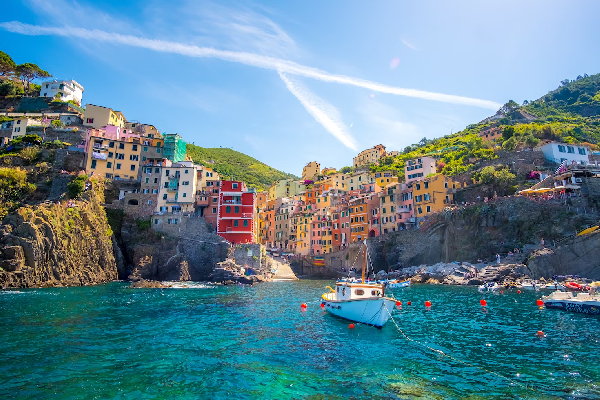
Grand European Tour: Germany, Austria & Italy
An unforgettable journey through the heart of Europe, from the historic cities of Germany and Austria to the artistic and scenic splendors of Italy.
Germany
Munich (München)
Munich, the capital of Bavaria, is a city that seamlessly blends traditional German culture with modern innovation. Known for its annual Oktoberfest celebration and beautiful architecture, it serves as a perfect starting point for your journey.
Key Attractions:
Marienplatz: The central square and heart of the city, home to the magnificent Neues Rathaus (New Town Hall) with its famous Glockenspiel.
Nymphenburg Palace: A breathtaking Baroque palace with expansive gardens, once the summer residence of the Bavarian monarchs.
English Garden (Englischer Garten): One of the world’s largest urban public parks, perfect for walking, cycling, or witnessing surfers on the Eisbach river.
Deutsches Museum: One of the oldest and largest science and technology museums in the world.
Hofbräuhaus: The world’s most famous beer hall, offering a quintessential Bavarian experience.
Practical Information:
Getting There: Munich Airport (MUC) is a major international hub. The city center is easily accessible via S-Bahn (S1 or S8 lines).
Getting Around: An excellent public transportation system (MVV) includes U-Bahn (subway), S-Bahn (suburban train), trams, and buses. A day pass is cost-effective.
Accommodation: Areas around Hauptbahnhof (main station) and Altstadt (Old Town) are convenient.
Cuisine: Try Weisswurst (white sausage), Schweinshaxe (pork knuckle), Brezen (pretzels), and of course, Bavarian beer.
Neuschwanstein Castle
A day trip from Munich will take you to the iconic Neuschwanstein Castle, the fairytale castle that inspired Walt Disney. Located near the town of Füssen in the Bavarian Alps, its romantic setting is unparalleled.
Practical Information:
Getting There: Take a train from Munich Hauptbahnhof to Füssen (approx. 2 hours). From Füssen, take a local bus (RVA/OVG 73) to Hohenschwangau.
Tickets: Book tickets online well in advance. The ticket center is in Hohenschwangau. The ticket includes a guided tour at a specific time.
Visiting: To get to the castle, you can walk uphill (approx. 30-40 minutes), take a shuttle bus, or a horse-drawn carriage. The view from Marienbrücke (Mary’s Bridge) is a must.
Austria
Innsbruck
The capital of Austria’s Tyrol region, Innsbruck is nestled in the heart of the Alps. It’s renowned as a winter sports hub but offers stunning beauty and history year-round.
Key Attractions:
Golden Roof (Goldenes Dachl): The city’s most famous symbol, a roof made of fire-gilded copper tiles, built for Emperor Maximilian I.
Nordkette Mountain Range: Accessible via the Hungerburg funicular and Nordkette cable car, offering breathtaking panoramic views of the city and Alps.
Imperial Palace (Hofburg): A magnificent former Habsburg palace with opulent state rooms.
Bergisel Ski Jump: A modern architectural landmark with a panoramic platform and restaurant.
Old Town (Altstadt): A charming area with colorful medieval buildings and cobblestone streets.
Practical Information:
Getting There: Innsbruck is easily reachable by train from Munich (approx. 2 hours). Innsbruck Airport (INN) serves some international flights.
Getting Around: The city center is very walkable. Trams and buses cover areas further out.
Cuisine: Sample Tyrolean specialties like Käsespätzle (cheesy egg noodles), Tiroler Gröstl (fried potato and meat dish), and Apfelstrudel.
Italy: The Grand Tour Begins
Venice (Venezia)
A city built on water, Venice is a place of unparalleled romance and mystery. With its labyrinth of canals, historic palaces, and absence of cars, it is a truly unique destination.
Key Attractions:
St. Mark’s Square (Piazza San Marco): The principal public square, home to St. Mark’s Basilica, the Doge’s Palace, and the Campanile (bell tower).
St. Mark’s Basilica: A stunning example of Italo-Byzantine architecture, adorned with golden mosaics.
Doge’s Palace (Palazzo Ducale): A masterpiece of Gothic architecture, the former residence of the Doge of Venice, connected to the prisons by the Bridge of Sighs.
Grand Canal: The main waterway, best experienced by Vaporetto (water bus) or a gondola ride.
Rialto Bridge: The oldest and most famous bridge spanning the Grand Canal, surrounded by a vibrant market.
The Islands of Murano and Burano: Take a boat trip to Murano to see glass-blowing demonstrations and to Burano for its brightly colored fishermen’s houses and lace-making.
Practical Information:
Getting There: Arrive by train at Santa Lucia station, which puts you right in the heart of the city. Marco Polo Airport (VCE) is the main airport, with connections to the city by Alilaguna water bus or bus.
Getting Around: Walking and Vaporetto are the only ways. A Vaporetto travel pass is highly recommended. Gondolas are expensive but offer a classic experience.
Accommodation: Staying in San Marco or San Polo is central but expensive. Cannaregio or Dorsoduro offer more local charm and better value.
Cuisine: Cicchetti (Venetian tapas), fresh seafood, Risotto al Nero di Seppia (squid ink risotto), and Spritz cocktail.
Tip: Get lost in the quiet backstreets away from the main tourist areas to discover the real Venice.
Florence (Firenze)
The cradle of the Renaissance, Florence is an open-air museum overflowing with artistic masterpieces and architectural wonders. Its compact historic center makes it perfect for exploring on foot.
Key Attractions:
Florence Cathedral (Duomo): Dominating the skyline with its magnificent dome engineered by Brunelleschi. Climb to the top for incredible views.
Uffizi Gallery (Galleria degli Uffizi): One of the world’s finest art museums, housing works by Botticelli, Leonardo da Vinci, Michelangelo, and Raphael.
Accademia Gallery (Galleria dell’Accademia): Home to Michelangelo’s iconic statue of David.
Ponte Vecchio: A medieval stone bridge spanning the Arno River, famous for its shops built into its structure, traditionally occupied by jewellers.
Piazzale Michelangelo: A square on a hillside offering the most famous panoramic view of Florence, especially stunning at sunset.
Palazzo Vecchio: The town hall of Florence, a formidable fortress-palace with impressive chambers and art.
Practical Information:
Getting There: Florence’s main train station is Santa Maria Novella (Firenze SMN), well-connected to other Italian cities. The nearest airport is Florence Peretola (FLR).
Getting Around: The historic center is entirely walkable. Local buses are useful for reaching Piazzale Michelangelo or Fiesole.
Tickets: Book tickets for the Uffizi and Accademia online weeks or even months in advance to avoid extremely long queues.
Cuisine: Bistecca alla Fiorentina (T-bone steak), Ribollita (Tuscan bread soup), Lampredotto (tripe sandwich), and Chianti wine.
—
—
—