The Ultimate Iceland Travel Guide: Reykjavik, Golden Circle, South Coast & Beyond
This comprehensive guide details one of Iceland’s most iconic travel routes: a loop beginning and ending in the capital city of Reykjavik, encompassing the world-famous Golden Circle, the dramatic South Coast with its powerful waterfalls, the ethereal Jökulsárlón glacier lagoon, and the mesmerizing blue ice caves. This journey offers a concentrated dose of Iceland’s raw, elemental beauty, from cascading water and volcanic landscapes to glacial ice and black sand beaches.
Introduction to the Icelandic Journey
This itinerary is typically undertaken over 4 to 7 days, allowing for a paced and immersive experience. It showcases the stark contrasts that define Iceland: fire and ice, ancient history and modern culture, relentless ocean and tranquil countryside. Travelers can expect ever-changing weather, breathtaking vistas at every turn, and a profound connection with nature’s powerful forces. The best time for this trip depends on priorities: summer offers midnight sun and accessible highlands, while winter provides chances to see the Northern Lights and explore ice caves, albeit with shorter days and more challenging road conditions.
Reykjavik: The Vibrant Capital
Most journeys to Iceland start in Reykjavik, the world’s northernmost capital. Despite its small size, it is a hub of culture, cuisine, and colorful architecture.
Key Attractions in Reykjavik
Hallgrímskirkja Church: This iconic Lutheran parish church, towering over the city center, is Iceland’s tallest building. Its unique design was inspired by the basalt lava flows of Iceland’s landscape. Visitors can take an elevator to the top for a panoramic view of the city’s colorful rooftops, the sea, and the surrounding mountains.
Harpa Concert Hall: A architectural masterpiece on the waterfront, Harpa’s honeycombed glass facade reflects the sky and harbor lights, creating a dazzling spectacle. It is home to the Icelandic Symphony Orchestra and offers daily tours. Even just wandering its public spaces is a rewarding experience.
Perlan (The Pearl): Situated on Öskjuhlíð hill, Perlan houses a nature exhibition and a stunning indoor ice cave. Its observation deck offers another superb 360-degree view of Reykjavik. The surrounding forest is perfect for a peaceful walk.
Sun Voyager (Sólfar): This striking stainless steel sculpture by Jón Gunnar Árnason resembles a Viking longship but is officially an “ode to the sun.” Located by the sea, it is a popular spot for photography, especially at sunset.
Food & Drink in Reykjavik
Reykjavik’s food scene has exploded in recent years, moving far beyond traditional fare.
Traditional Icelandic: For the adventurous eater, try hákarl (fermented shark), plokkfiskur (a hearty fish stew), or lamb soup. A classic hot dog from Bæjarins Beztu Pylsur is a must-try institution.
New Nordic Cuisine: Reykjavik boasts several world-class restaurants like Dill and Grillmarkaðurinn (The Grill Market) that focus on locally sourced, innovative dishes, including fresh seafood and free-range lamb.
Café Culture: Icelanders are avid coffee drinkers. The city is filled with cozy cafés like Reykjavik Roasters, perfect for warming up and watching the world go by.
Accommodation Tips
Reykjavik offers a wide range of accommodations, from luxury hotels like Canopy by Hilton to boutique guesthouses and budget-friendly hostels. It’s advisable to book well in advance, especially during peak season. Staying in the city center (101 postcode) allows for easy exploration on foot.
Cultural Insight
Reykjavik is a modern, progressive, and creative city. Icelanders have a deep respect for their nature and heritage, which is reflected in their art, literature, and sustainable living practices. The city is safe, clean, and has a vibrant nightlife on weekends.
The Golden Circle: Iceland’s Classic Route
The Golden Circle is a 300-kilometer loop from Reykjavik that covers three of Iceland’s most spectacular sites. It can be done in a day but is worth savoring.
Þingvellir National Park
A UNESCO World Heritage site, Þingvellir is geologically and historically significant. It is the location of the Alþingi, the world’s oldest existing parliament, established in 930 AD. Geologically, it is where the North American and Eurasian tectonic plates are pulling apart at a rate of about 2 cm per year, creating a dramatic rift valley. Visitors can walk or snorkel/dive in the crystal-clear waters of Silfra Fissure, which lies directly between the continents.
Geysir Geothermal Area
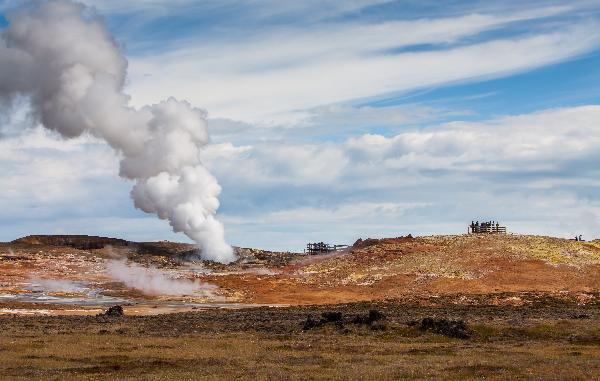
This hot spring area is the namesake for all geysers worldwide. While the Great Geysir itself is mostly dormant, its neighbor, Strokkur, erupts reliably every 5-10 minutes, shooting a column of boiling water up to 40 meters into the air. The entire area is a bubbling, steaming landscape of mud pots and fumaroles, filled with the distinct smell of sulfur.
Gullfoss Waterfall
The “Golden Falls” is a massive, two-tiered waterfall on the Hvítá River. The water plummets 32 meters into a rugged canyon, creating a powerful spray that often results in stunning rainbows on sunny days. The scale and raw power of Gullfoss are awe-inspiring and it is considered one of Iceland’s most beautiful waterfalls.
Transportation & Tours
The Golden Circle is easily accessible by rental car from Reykjavik. Numerous tour companies also offer day trips by bus, minivan, or even super jeep. For a unique experience, consider a tour that includes snowmobiling on a glacier or horseback riding on the iconic Icelandic horse.
The South Coast: Waterfalls and Black Sand Beaches
Traveling east from the Golden Circle along Route 1 (the Ring Road), the landscape opens up to reveal Iceland’s fertile South Coast, famous for its spectacular waterfalls and dramatic coastline.
Seljalandsfoss Waterfall
This elegant 60-meter waterfall is unique because visitors can walk on a path that goes completely behind the cascading water. This provides a spectacular 360-degree view, but be prepared to get wet from the spray! Waterproof clothing is essential. Just a short walk away lies the hidden Gljúfrabúi waterfall, partially concealed within a canyon.
Skógafoss Waterfall
A short drive east from Seljalandsfoss, Skógafoss is one of Iceland’s biggest and most powerful waterfalls, with a width of 25 meters and a drop of 60 meters. On sunny days, a double rainbow is often visible. A steep staircase leads to a viewing platform at the top, offering a breathtaking view of the coastline. This waterfall marks the start of the famous Fimmvörðuháls hiking trail.
South Coast Beaches
Reynisfjara Black Sand Beach: Near the village of Vík, this is one of the world’s most stunning non-tropical beaches. Its pitch-black sand, towering basalt sea stacks (Reynisdrangar), and the immense basalt column cave create an otherworldly atmosphere. Extreme caution is required due to “sneaker waves”—sudden, powerful waves that can drag people out to sea without warning.
Dyrhólaey: A small peninsula near Vík offering dramatic views of the black sand beaches and rock formations. It features a massive stone arch that ships could once sail through. It’s also a rich birdlife sanctuary, particularly for puffins in the summer months.
Accommodation & Food on the South Coast
Towns like Hella, Hvolsvöllur, Vík, and Kirkjubæjarklaustur offer various accommodation options, from hotels and guesthouses to farm stays. Dining options are more limited than in Reykjavik but often feature excellent local lamb and fresh fish. The Soup Company in Vík is famous for its delicious and warming bread bowls of soup.
Jökulsárlón Glacier Lagoon and Diamond Beach
Further east along the Ring Road lies Jökulsárlón, a breathtaking glacier lagoon filled with icebergs calving from the Breiðamerkurjökull glacier. The icebergs, in shades of blue and white, slowly drift towards the Atlantic Ocean. Boat tours (amphibious and zodiac) are available to get closer to the ice.
Just across the road lies Breiðamerkursandur, commonly known as Diamond Beach. Here, icebergs from the lagoon wash ashore onto the black sand beach, glittering like diamonds against the dark volcanic sand. This is a photographer’s paradise at any time of day.
The Blue Ice Caves: A Winter Phenomenon
The blue ice caves are natural caves that form at the edge of glaciers, such as Vatnajökull. They are accessible only during the winter months (approximately November to March), as they are unstable and collapse in warmer temperatures.
The Experience: Visiting an ice cave is a surreal experience. Sunlight filters through the ice ceiling, illuminating the cave in an ethereal, deep blue light. The ice itself is centuries old, compressed free of air bubbles, which causes it to absorb all colors of the spectrum except blue.
Safety First: It is imperative to visit ice caves with a certified guide. The conditions are constantly changing, and guides have the knowledge and equipment to assess stability and ensure visitor safety. Tours typically depart from Jökulsárlón or the Skaftafell area.
The Return to Reykjavik
The return journey to Reykjavik along the South Coast offers a chance to see familiar sights in a new light. Alternatively, for those with more time, taking an inland route via Landmannalaugar or stopping at other hidden gems like the Secret Lagoon or Kerið volcanic crater can add variety.
Practical Travel Information
Transportation: Self-Drive vs. Guided Tours
Self-Drive: Offers maximum flexibility. A 4×4 vehicle is recommended, especially outside of summer or for venturing onto F-roads (mountain roads). Always check road conditions at road.is and weather at vedur.is.
Guided Tours: A stress-free option that provides expert commentary and access to areas that may be difficult to navigate alone. Multi-day tours covering this entire itinerary are widely available.
Packing Essentials
Layered Clothing: The weather can change instantly. A waterproof and windproof outer layer is non-negotiable.
Sturdy Footwear: Waterproof hiking boots with good grip are essential for exploring waterfalls and uneven terrain.
Swimsuit & Towel: For enjoying geothermal pools and hot springs along the way.
Camera & Extra Batteries: The scenery is endlessly photogenic. Cold weather drains batteries quickly.
Cultural Etiquette & Tipping
Icelanders are generally informal and speak excellent English. Tipping is not customary or expected in Iceland, as service charges are included in prices. A simple “takk” (thank you) is sufficient.
Conclusion
The journey from Reykjavik through the Golden Circle and along the South Coast to Jökulsárlón is a quintessential Icelandic adventure. It encapsulates the nation’s dramatic landscapes and powerful natural forces. Whether marveling at erupting geysers, walking behind a curtain of water, witnessing icebergs calve into a lagoon, or stepping inside a crystal blue ice cave, this route promises an unforgettable encounter with the raw beauty of the land of fire and ice.