A Grand Tour of Britain: From London to the Scottish Highlands
This comprehensive travel guide outlines a classic itinerary through England and Scotland, covering royal residences, academic hubs, stunning landscapes, and historic cities.
London: The Capital Commencement
Overview
London, the sprawling capital of England and the United Kingdom, is a global hub for history, culture, and finance. Its history stretches back to Roman times, with remnants visible alongside modern architectural marvels.
Key Attractions
The Tower of London: A historic castle on the north bank of the River Thames. It has served as a royal palace, prison, armory, and is home to the Crown Jewels. Guided tours by the Yeoman Warders (Beefeaters) are highly recommended.
Buckingham Palace: The London residence of the British monarch. The daily Changing of the Guard ceremony is a major spectacle (check schedules). The State Rooms are open to the public during the summer.
Houses of Parliament & Big Ben: The iconic Gothic revival building houses the UK’s two parliamentary houses. “Big Ben” is the nickname for the Great Bell of the clock.
British Museum: Home to a vast collection of world art and artifacts, including the Rosetta Stone and the Parthenon Marbles. Free entry.
Westminster Abbey: A magnificent Gothic church, the traditional venue for coronations and royal burials.
Hyde Park & Kensington Gardens: Vast royal parks perfect for walking, boating, and visiting the Serpentine Gallery or the Diana, Princess of Wales Memorial Fountain.
Practical Information
Getting Around: London’s Underground (“the Tube”) is the most efficient way to travel. Purchase an Oyster card or use contactless payment. Buses offer a scenic alternative.
Accommodation: Options range from hostels in Bloomsbury to luxury hotels in Mayfair. Consider location relative to Tube stations.
Stay Duration: 3-4 days minimum to cover major sights.
Windsor: A Day with the Royals
Overview
A short trip west of London, the town of Windsor is dominated by its magnificent castle, the oldest and largest inhabited castle in the world and an official residence of His Majesty The King.
Key Attractions
Windsor Castle: Explore the State Apartments, St. George’s Chapel (the burial place of 11 monarchs, including Queen Elizabeth II and Prince Philip), and the beautiful precincts. Pre-booking tickets online is essential.
The Long Walk: A stunning 2.65-mile tree-lined avenue leading from the castle into Windsor Great Park, offering classic views.
Practical Information
Getting There: Regular train services from London Paddington (via Slough) or London Waterloo to Windsor & Eton Central or Riverside stations. Journey time approx. 30-50 minutes.
Stay Duration: A day trip from London is sufficient.
Oxford: The City of Dreaming Spires
Overview
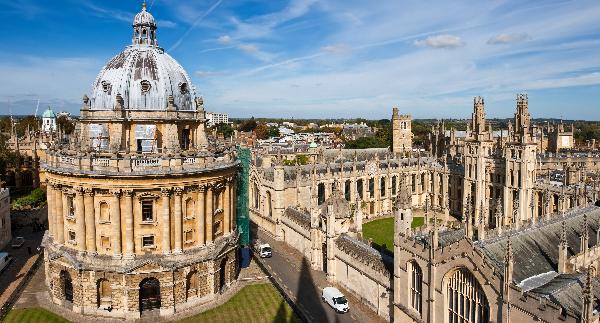
Oxford is a world-renowned university city, home to the oldest English-speaking university in the world. Its stunning architecture, comprised of collegiate buildings, libraries, and museums, gives it its famous nickname.
Key Attractions
Bodleian Library: One of the oldest libraries in Europe. Take a guided tour to see the magnificent Divinity School and Duke Humfrey’s medieval library.
Christ Church College: One of Oxford’s largest and most famous colleges. Its Great Hall was the inspiration for the Hogwarts Hall in the Harry Potter films. Don’t miss Christ Church Cathedral.
Radcliffe Camera: A iconic circular library building, a masterpiece of English Palladian architecture (interior access is typically limited to Bodleian ticket holders).
Ashmolean Museum: Britain’s first public museum, now housing a superb collection of art and archaeology. Free entry.
Punting on the River Cherwell: A classic Oxford activity, involving propelling a flat-bottomed boat with a pole.
Practical Information
Getting There: Direct trains from London Paddington take about 1 hour. Also accessible from Windsor via train with a change at Slough.
Stay Duration: A day trip is possible, but an overnight stay allows for a more relaxed exploration.
The Cotswolds: Quintessential English Countryside
Overview
The Cotswolds is a designated Area of Outstanding Natural Beauty (AONB), characterized by rolling hills, river valleys, and picturesque villages built from distinctive honey-colored limestone.
Key Attractions (Villages & Towns)
Bourton-on-the-Water: Known as the “Venice of the Cotswolds” due to the low bridges crossing the River Windrush.
Stow-on-the-Wold:A historic market town perched on a hill, known for its antique shops and market square.
Bibury: Famous for Arlington Row, a row of 17th-century weavers’ cottages that is one of the most photographed spots in the UK.
Castle Combe: Often voted one of England’s prettiest villages, with a market cross and a bridge over the Bybrook River.
Broadway:A wide village street lined with horse chestnut trees and honey-colored buildings, with Broadway Tower on the hill above.
Practical Information
Getting There/Around: The Cotswolds is best explored by car for flexibility. Public transport exists but can be infrequent between villages. Trains from London Paddington go to Moreton-in-Marsh or Kemble. Base yourself in a central town like Cheltenham, Stow-on-the-Wold, or Cirencester.
Stay Duration: 2-3 days to explore properly.
Stratford-upon-Avon: Shakespeare’s Hometown
Overview
Stratford-upon-Avon is a historic market town in the West Midlands, forever immortalized as the birthplace and final resting place of William Shakespeare.
Key Attractions
Shakespeare’s Birthplace: Explore the half-timbered house where the playwright was born and grew up.
Anne Hathaway’s Cottage:The picturesque childhood home of Shakespeare’s wife, located in Shottery, a mile from the town centre.
Holy Trinity Church: The place where Shakespeare was baptised and is buried. His tomb lies within the chancel.
Royal Shakespeare Theatre: Attend a world-class performance of a Shakespeare play by the Royal Shakespeare Company on the banks of the River Avon.
Practical Information
Getting There: Easily accessible by train from London Marylebone or Birmingham. By car, it’s well-connected via the M40 motorway. It can be visited as a day trip from the Cotswolds or en route to Manchester.
Stay Duration: 1 day is sufficient for the main Shakespeare-related sites.