A Comprehensive Travel Guide: Lima, Iquitos Amazon, Cusco, Sacred Valley, Machu Picchu
This guide details a classic Peruvian itinerary that combines urban sophistication, raw Amazonian wilderness, and the archaeological heartland of the Inca Empire. The journey spans from the coastal capital to the steamy rainforest and into the high Andes, offering a profound look into Peru’s diverse landscapes and rich cultural tapestry.
Part 1: Arrival in Lima – The Gastronomic Capital
Most international journeys to Peru begin in its capital, Lima. A sprawling metropolis perched on cliffs overlooking the Pacific Ocean, Lima is a city of contrasts, where colonial history meets contemporary innovation, most famously in its culinary scene.
Key Attractions in Lima
Historic Centre of Lima: A UNESCO World Heritage site, the plaza is home to the Government Palace, Lima Cathedral, and the Archbishop’s Palace. The intricate wooden balconies are a signature architectural feature.
Larco Museum: Housed in an 18th-century vice-royal mansion, this museum offers a stunning overview of 3,000 years of pre-Columbian Peruvian history. Its collection of Moche pottery is world-renowned.
Parque del Amor (Love Park): Located in the Miraflores district, this park features vibrant mosaics and a central statue of a kissing couple, inspired by Antoni Gaudí’s work. It offers breathtaking views of the Pacific Ocean.
Barranco District: The bohemian heart of Lima, filled with colorful colonial mansions, art galleries, and trendy cafes. The “Bridge of Sighs” (Puente de los Suspiros) is a local landmark.
Lima Food & Drink
Lima is a global foodie destination. Must-try experiences include:
Ceviche: Peru’s national dish. Fresh raw fish cured in citrus juices, typically leche de tigre, and spiced with ají peppers.
Pisco Sour: The country’s signature cocktail, made with Pisco (a grape brandy), lime juice, syrup, egg white, and bitters.
Gastronomic Tours: Explore local markets like Mercado de Surquillo or take a guided food tour through neighborhoods like Miraflores for a curated tasting experience.
Transportation & Accommodation in Lima
Getting Around: Jorge Chávez International Airport (LIM) is the main gateway. Taxis and ride-sharing apps like Uber are common for getting around the city. The districts of Miraflores and Barranco are the most popular and safe areas for tourists.
Staying: Accommodation ranges from luxury hotels in Miraflores with ocean views to charming boutique hotels in the artistic Barranco district.
Part 2: Iquitos and the Amazon Rainforest Adventure
From Lima, a flight takes travelers to Iquitos, the world’s largest city inaccessible by road. This is the gateway to the northern Peruvian Amazon and the mighty Amazon River.
Key Attractions in the Iquitos Amazon
Amazon River Lodges: Most visitors stay at eco-lodges located hours from Iquitos by boat. These lodges provide guided excursions into the primary rainforest.
Wildlife Spotting: Guided hikes and boat trips offer chances to see pink river dolphins, monkeys, sloths, caimans, and a staggering variety of bird and insect life.
Pacaya-Samiria National Reserve: One of the largest protected areas in Peru, this vast flooded forest is a biodiversity hotspot best explored on multi-day river expeditions.
Meeting Indigenous Communities: Responsible tours often include visits to local communities to learn about their traditions, medicinal plants, and way of life deeply connected to the rainforest.
Food & Preparation
Meals are typically provided by the lodges. You might try
juane, a traditional dish of rice, meat, olives, and egg wrapped in bijao leaves. Preparation is key: pack lightweight long-sleeved shirts, pants, strong insect repellent, a rain poncho, and waterproof bags for electronics.
Transportation & Accommodation
Getting There: Fly from Lima to Coronel FAP Francisco Secada Vignetta International Airport (IQT) in Iquitos. From there, you will transfer to your chosen lodge via a motorized boat journey.
Staying: Accommodation is almost exclusively at jungle eco-lodges, which range from basic to luxurious. They typically offer all-inclusive packages with meals, guided tours, and transportation from Iquitos.
Part 3: Return to Lima and Flight to Cusco – The Inca Capital
The journey continues with a flight back to Lima and a connecting flight to Cusco. It is crucial to acclimatize to the high altitude (3,400 meters / 11,150 feet).
Cusco Acclimatization Tips
- Spend at least 24-48 hours in Cusco before any strenuous activity.
- Drink plenty of water and avoid heavy meals and alcohol upon arrival.
- Drink coca tea (mate de coca), a local remedy for altitude sickness.
- Consider medication like acetazolamide after consulting a doctor.
Key Attractions in Cusco
Plaza de Armas: The bustling main square surrounded by colonial arcades, the Cathedral, and the Church of the Society of Jesus.
Sacsayhuamán: The impressive fortress-temple on the northern outskirts of Cusco, made of enormous, perfectly fitted stone walls.
Qorikancha (Temple of the Sun): The most important temple in the Inca Empire, later built upon by the Spaniards with the Santo Domingo Convent.
San Pedro Market:A vibrant local market where you can find everything from fresh produce and meat to souvenirs and local juices.
Part 4: The Sacred Valley of the Incas
The Sacred Valley, at a lower altitude than Cusco, is not only stunningly beautiful but also historically significant. It was a key agricultural, spiritual, and political center for the Inca.
Key Attractions in the Sacred Valley
Pisac: Famous for its sprawling Inca ruins with terraces and a hilltop Intihuatana (“Hitching Post of the Sun”), and its vibrant artisan market.
Ollantaytambo: A living Inca town with original water channels and stone streets. The massive fortress-temple is a spectacular archaeological site.
Moray: An unusual Inca site consisting of several enormous terraced circular depressions, thought to have been an agricultural laboratory.
Maras Salt Mines: Thousands of pre-Columbian salt pans nestled in a mountainside, creating a stunning patchwork of white and brown pools.
Transportation & Accommodation
Getting Around: The valley can be explored by tourist bus, colectivo (shared van), or private taxi. Many travelers spend a night or two in towns like Urubamba or Ollantaytambo to break up the journey to Machu Picchu.
Staying:The Sacred Valley offers a wide range of accommodations, from hostels to world-class luxury hotels set amidst breathtaking scenery.
Part 5: Aguas Calientes (Machu Picchu Pueblo) and Machu Picchu
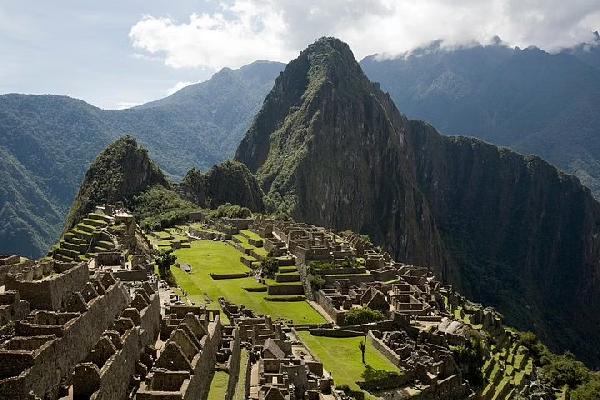
The final leg of the journey is the visit to the iconic Lost City of the Incas. The gateway town is Aguas Calientes, also known as Machu Picchu Pueblo.
Getting to Aguas Calientes and Machu Picchu
By Train:The most common and scenic way. Peru Rail and Inca Rail operate services from Ollantaytambo and Poroy (near Cusco) to Aguas Calientes. Booking far in advance is essential.
By Foot (Inca Trail):The classic 4-day trek along the ancient Inca path culminates at the Sun Gate (Inti Punku) overlooking Machu Picchu. Permits are required and sell out months ahead.
The Machu Picchu Experience
Tickets: MUST be purchased online well in advance from the official government website. There are limited tickets per day, and they often sell out. Options include entry to the citadel only, or with additional hikes up Huayna Picchu or Machu Picchu Mountain (requires separate tickets).
Visiting Tips:
- Take one of the first buses from Aguas Calientes (starting around 5:30 AM) to see the citadel in the morning light and avoid larger crowds.
- A licensed guide is highly recommended to understand the history and significance of the site.
- The weather can change rapidly; bring rain gear and sun protection.
Aguas Calientes Food & Accommodation
Aguas Calientes is a tourist-focused town with numerous restaurants serving both Peruvian and international cuisine. Accommodation ranges from basic hostels to luxurious riverside hotels. It is advisable to book lodging early, especially during peak season.
Part 6: Return to Cusco and Departure
The journey concludes with a scenic train ride back to Ollantaytambo or Poroy, followed by a road transfer to Cusco. This allows for a final evening in Cusco to enjoy a farewell dinner before flying out from Alejandro Velasco Astete International Airport (CUZ) back to Lima for international connections.
Cultural Insights and Practical Tips
Respecting Local Culture
Greetings:A simple “Buenos días” (Good morning), “Buenas tardes” (Good afternoon), or “Buenas noches” (Good evening) is appreciated.
Bargaining:Is acceptable in markets for souvenirs, but do so politely. It is not customary in fixed-price shops or restaurants.
Photography:Always ask for permission before taking photos of local people, especially in rural areas and indigenous communities.
Money & Budgeting
The official currency is the Peruvian Sol (PEN). US Dollars are widely accepted in tourist areas, but it’s best to have local currency for smaller purchases. Credit cards are accepted in most hotels and restaurants in cities. ATMs are readily available in Lima, Cusco, and Aguas Calientes.
Health & Safety
Altitude Sickness:Taken seriously. Acclimatize slowly and seek medical advice if symptoms are severe.
Water:Do not drink tap water. Drink only bottled or filtered water.
Food Safety:Stick to well-cooked food and avoid raw vegetables that may have been washed in tap water. Street food can be safe if chosen from busy vendors with high turnover.
General Safety:Peru is generally safe for tourists, but standard precautions apply: be aware of your surroundings, don’t flash valuables, and use reputable taxi services.
This itinerary offers an unforgettable journey through the very soul of Peru, from its modern coast and primordial jungle to its majestic Andean peaks and ancient Incan wonders.