The Ultimate Malta Travel Guide: Main Island, Gozo & Comino
Nestled in the heart of the Mediterranean Sea, south of Sicily and north of Africa, the Maltese archipelago is a captivating blend of ancient history, stunning landscapes, and vibrant culture. Comprising three inhabited islands—Malta (the main island), Gozo, and Comino—this small nation packs an incredible diversity of experiences into a compact area. This comprehensive guide will lead you through an unforgettable journey, exploring the fortified cities of Malta, the rustic charm of Gozo, and the aquatic paradise of Comino.
Introduction to the Maltese Islands
Malta’s strategic location has made it a crossroads of civilizations for millennia. The islands bear the marks of the Phoenicians, Romans, Knights of St. John, French, and British, all of whom have left an indelible imprint on its architecture, language, and traditions. The official languages are Maltese and English, making it an easily navigable destination for many travelers. With a typical Mediterranean climate featuring hot, dry summers and mild, wetter winters, Malta is a year-round destination, though the prime time for beach-going and swimming is from May to October.
Malta Main Island: A Tapestry of History and Hustle
The main island is the cultural and economic hub of the archipelago, home to the capital city, the international airport, and most of the population. It’s where deep history meets modern Mediterranean life.
Key Attractions on Malta Main Island
Valletta: The fortified capital city, a UNESCO World Heritage Site, is a masterpiece of the Baroque era. Don’t miss St. John’s Co-Cathedral with its opulent interior and Caravaggio masterpieces, the Grandmaster’s Palace, and the Upper Barrakka Gardens for stunning views of the Grand Harbour.
The Three Cities (Vittoriosa, Senglea, Cospicua): Opposite Valletta, these historic cities offer a more authentic and less crowded glimpse into Malta’s past. Walk along the fortified lines and explore the Inquisitor’s Palace in Vittoriosa.
Mdina: The ancient walled city, also known as the “Silent City,” is a labyrinth of narrow, quiet streets and noble palaces. Its bastions offer panoramic views of the island.
Blue Grotto: A series of sea caverns on the southern coast. Take a traditional boat tour from the nearby Wied iż-Żurrieq to see the spectacular phosphorescent colors reflected in the water.
Ħaġar Qim and Mnajdra Temples: These megalithic temple complexes are among the oldest free-standing structures in the world, predating Stonehenge and the Egyptian pyramids.
St. Julian’s and Sliema: The center of Malta’s nightlife, dining, and modern shopping. Paceville in St. Julian’s is known for its vibrant club scene.
Food & Drink on Malta Main Island
Maltese cuisine is a reflection of its history—a hearty fusion of Sicilian, Middle Eastern, and British influences.
Fenkata (Rabbit Stew): Considered the national dish, often slow-cooked in wine and garlic.
Pastizzi: Savory, flaky pastries filled with ricotta (pastizzi tal-irkotta) or mushy peas (pastizzi tal-piżelli). Best enjoyed from a local pastizzeria.
Lampuki Pie: A seasonal fish pie made with Lampuki (dolphin fish), vegetables, and a crispy pastry topping.
Ftira: A traditional Maltese sourdough bread, often served as an open sandwich with tomatoes, tuna, capers, and olives.
Kinnie: A uniquely Maltese non-alcoholic beverage made from bitter oranges and herbs.
Transportation & Accommodation on Malta Main Island
Getting Around: The main island has an extensive and affordable bus network that connects all major towns and attractions. Driving is an option, but be prepared for narrow, congested roads. Ride-hailing apps like Bolt and eCabs are also widely available. For a scenic route, the ferry from Sliema to Valletta is highly recommended.
Staying There: Accommodation ranges from luxury hotels in Valletta and St. Julian’s to boutique guesthouses in Mdina and Sliema. For a more local experience, consider renting an apartment in a traditional town like Mosta or Naxxar.
Gozo: The Island of Calypso
Just a 25-minute ferry ride from Malta, Gozo (Għawdex) presents a stark contrast to its larger neighbor. It is greener, more rural, and moves at a slower pace, earning its nickname as “the island where time stood still.”
Key Attractions on Gozo
Victoria (Rabat): Gozo’s capital. Climb to the Cittadella, a fortified city that dominates the skyline, for breathtaking 360-degree views of the island and to visit its museums and cathedral.
Azure Window Site & Dwejra Bay: Although the iconic limestone arch collapsed in 2017, Dwejra remains a spectacular area. Visit the Inland Sea, a lagoon connected to the sea by a narrow tunnel, and the Fungus Rock.
Ġgantija Temples: Another UNESCO World Heritage Site, these megalithic temples are even older than those on Malta, showcasing the incredible engineering skills of their prehistoric builders.
Ramla Bay (Ir-Ramla l-Ħamra): Gozo’s largest and most beautiful sandy beach, known for its unique reddish-gold sand and calm waters.
Ta’ Pinu Basilica: A major pilgrimage site set in isolation against the Gozitan countryside, renowned for its reported miracles.
Salt Pans: Near the village of Xwejni, these centuries-old, hand-cut salt pans create a mesmerizing geometric pattern along the coast, especially at sunset.
Food & Drink on Gozo
Gozo is known for its artisanal produce and farm-fresh ingredients.
Gozo Cheese (Ġbejna): Small, round cheeses made from sheep’s or goat’s milk, available fresh, salted, or peppered. A true local delicacy.
Gozitan Pizza (Ftira): Different from the Maltese version, Gozitan Ftira is a thicker, pizza-like bread topped with potatoes, tomatoes, and local cheese.
Local Wine: Gozo has several small vineyards producing excellent wines. Look for local labels in restaurants.
Seafood: Enjoy incredibly fresh fish and seafood at restaurants in Marsalforn or Xlendi Bay.
Transportation & Accommodation on Gozo
Getting Around: Gozo has its own bus network, but services can be infrequent in remote areas. Renting a car, scooter, or bicycle is a great way to explore the island’s hidden coves and villages at your own pace. Taxis are also available.
Staying There: Accommodation is often more characterful and rural than on Malta. Options include farmhouses (many with private pools), boutique hotels in Victoria, and guesthouses in coastal towns like Xlendi and Marsalforn.
Comino: The Blue Lagoon Sanctuary
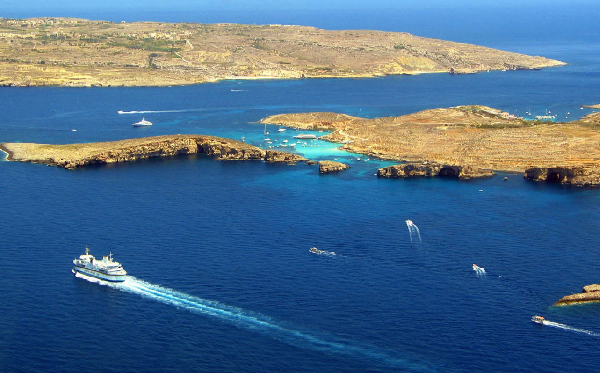
Tiny Comino, situated between Malta and Gozo, is largely uninhabited and has no cars. It is a designated bird sanctuary and nature reserve, famous for one of the Mediterranean’s most stunning natural attractions.
Key Attractions on Comino
The Blue Lagoon: Located between Comino and the even smaller islet of Cominotto, the Blue Lagoon’s crystal-clear, turquoise waters over a white sandy seabed are breathtaking. It’s ideal for swimming, snorkeling, and simply soaking up the sun. Note: It gets extremely crowded during peak season.
Santa Marija Bay: A much larger and often quieter bay than the Blue Lagoon, with softer sand and excellent snorkeling opportunities.
St. Mary’s Tower: A large 17th-century coastal watchtower that dominates the island’s skyline. The hike to the top is rewarded with phenomenal views.
Crystal Lagoon: A less-crowded but equally beautiful lagoon accessible by boat or a challenging hike. It’s a popular spot for jumping off the cliffs into the deep blue waters below.
Food & Drink on Comino
There are no proper towns or supermarkets on Comino. The only food options are kiosks and a small snack bar near the Blue Lagoon, serving basic fare like burgers, sandwiches, and drinks. It is highly advisable to bring your own water, snacks, and a picnic if you plan to spend the whole day there.
Transportation & Accommodation on Comino
Getting There: Comino is accessible by frequent ferry services from both Malta (Ċirkewwa) and Gozo (Mġarr). Numerous boat tour operators also include Comino in their itineraries.
Staying There: For those seeking ultimate tranquility, the only accommodation is the Comino Hotel located at San Niklaw Bay. Alternatively, you can camp with a permit from the Malta Environment and Planning Authority (MEPA). Most visitors treat Comino as a day trip.
Crafting Your Itinerary: A Sample 7-Day Journey
A week provides a balanced timeframe to experience the essence of all three islands without feeling rushed.
Day 1-3: Malta Main Island. Base yourself in Sliema or Valletta. Dedicate one day to exploring Valletta and The Three Cities, another to Mdina, Rabat, and the Dingli Cliffs, and a third to the south for the Blue Grotto and Ħaġar Qim Temples.
Day 4-5: Gozo. Take the ferry to Gozo and check into your farmhouse or hotel. Spend one day exploring Victoria’s Cittadella and the west coast (Dwejra, Salt Pans), and another day relaxing at Ramla Bay and visiting the Ġgantija Temples.
Day 6: Comino Day Trip. Take a morning ferry from Gozo to Comino. Spend the day swimming and snorkeling in the Blue Lagoon and Santa Marija Bay. Return to Gozo in the evening.
Day 7: Return to Malta & Departure. Take a morning ferry from Gozo back to Malta. Depending on your flight time, you might have time for some last-minute souvenir shopping in Sliema or a final walk through Valletta before heading to the airport.
Cultural Insights and Practical Tips
Religion: Malta is overwhelmingly Roman Catholic. Be respectful when visiting churches; modest dress (covering shoulders and knees) is required.
Festas: From May to September, nearly every town and village celebrates its patron saint’s feast day (festa) with street decorations, band processions, fireworks, and food stalls. It’s a fantastic cultural experience.
Tipping: A service charge is often included in restaurant bills. If not, rounding up the bill or leaving 5-10% is customary for good service.
Siesta: Many smaller shops and businesses in villages may close for a few hours in the afternoon (typically 1:00 PM to 4:00 PM).
Sunscreen & Water: The Maltese sun can be intense. High-factor sunscreen, a hat, and constant hydration are essential.
Crowds: The Blue Lagoon and major attractions in Valletta can be packed from June to August. Consider visiting popular spots early in the morning or late in the afternoon.
The Maltese Islands offer a journey through time, from prehistoric temples to Baroque cathedrals, combined with stunning coastal scenery and warm hospitality. Whether you’re diving into its rich history, savoring its unique cuisine, or simply basking in the sun on a golden-sand beach or a rocky cove, Malta promises an unforgettable Mediterranean adventure.