A Comprehensive Travel Guide to Norway’s Iconic Fjords and Cities
This guide details a classic Norwegian itinerary, a circular route starting and ending in Oslo. It takes you from the modern capital, through deep fjords, over dramatic mountain passes, and into charming coastal towns, showcasing the very best of Southern Norway’s breathtaking scenery.
Route Overview
Oslo → Hadeland (Heddal) → Stavanger → Lysefjord → Stavanger → Bergen → Gudvangen → Flåm → Fjærland → Sogndal → Ålesund → Atlantic Ocean Road → Trollstigen (Troll’s Path) → Lom → Lillehammer → Oslo
This is a journey best undertaken between late May and early September for optimal weather and accessibility of all mountain roads. The primary modes of transport will be train, rental car, ferry, and bus.
1. Oslo: The Modern Capital
Oslo, Norway’s vibrant capital, sits at the head of the Oslofjord. It’s a city seamlessly blending modern architecture with rich history and easy access to nature.
Key Attractions:
Vigeland Sculpture Park: A world-famous park within Frogner Park, featuring over 200 sculptures by Gustav Vigeland in bronze, granite, and wrought iron. It is the world’s largest sculpture park by a single artist.
Viking Ship Museum: (Note: Currently closed for relocation until 2026/2027 as part of the new Museum of the Viking Age). Check for temporary exhibitions.
Fram Museum: Home to the strongest wooden ship ever built, the Fram, which ventured to both the North and South Poles.
Norwegian Maritime Museum: Explores Norway’s deep-rooted connection to the sea.
Oslo Opera House: An architectural masterpiece with a sloping marble roof that you can walk on, offering spectacular views of the city and fjord.
Akershus Fortress: A medieval castle and fortress built to protect the city, offering great views and historical insights.
Practical Information:
Getting There: Oslo Airport (OSL) is the main international gateway, with frequent train (Flytoget) and bus connections to the city center.
Getting Around: Oslo has an excellent public transportation system (Ruter) covering buses, trams, metro, and ferries. The Oslo Pass offers free travel and museum entry.
Accommodation: A wide range from luxury hotels to hostels, primarily centered around the city center, Grünerløkka, and Majorstuen.
2. Hadeland & Heddal Stave Church
This leg involves a journey from Oslo towards the Telemark region. While “Hadeland” is a region northwest of Oslo, the key stop here is the magnificent Heddal Stave Church.
Heddal Stave Church: Located in Notodden, this is the largest of Norway’s 28 remaining stave churches. Built in the 13th century, its intricate wooden architecture and dark, tarred exterior are awe-inspiring. The interior features runic inscriptions and medieval decorations.
Travel Tip: This is a stop on the way to Stavanger, best accessed by car. From Oslo, it’s about a 2-hour drive. You can also take a train to Notodden and then a local bus or taxi to the church.
3. Stavanger: The Oil Capital & Gateway to the Lysefjord
Stavanger is a charming city where old wooden houses meet a modern, energy-driven economy. It’s the perfect base for exploring the mighty Lysefjord.
Key Attractions in Stavanger:
Gamle Stavanger (Old Stavanger): A picturesque area of well-preserved 18th and 19th-century white wooden houses with cobbled streets.
Norwegian Petroleum Museum: An interactive and fascinating museum explaining the story of oil and gas exploration in the North Sea.
Valberg Tower: A historic watchtower offering a panoramic view of the city and harbor.
Practical Information:
Getting There: Fly directly to Stavanger Airport (SVG) or take a train from Oslo (approx. 8 hours, a very scenic journey). The drive from Heddal is approximately 4 hours.
Accommodation: Plenty of options in the city center, close to the harbor and old town.
4. Lysefjord & Preikestolen (Pulpit Rock)
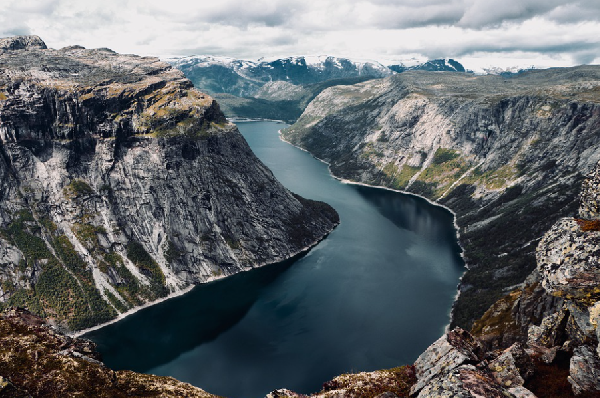
The Lysefjord is famous for its dramatic, sheer cliffs and the iconic Preikestolen plateau.
Key Attractions:
Preikestolen (Pulpit Rock): A nearly flat mountain plateau that drops 604 meters straight down into the Lysefjord. The hike is a 4-hour round trip (8 km total) and is considered moderate. The view from the top is one of Norway’s most iconic.
Lysefjord Cruise: Take a boat tour from Stavanger into the fjord to see Preikestolen from below, as well as the Hengjanefossen waterfall and the mysterious “Vagabond’s Cave.”
Kjeragbolten: A famous boulder wedged in a mountain crevasse, offering an even more challenging hike than Preikestolen (for experienced hikers).
Practical Information:
Getting to Preikestolen: Drive or take a bus from Stavanger to the Preikestolen Mountain Lodge (Preikestolen Fjellstue), which is the starting point for the hike. Ferries and buses are coordinated during the season.
Hiking Season: The main season for Preikestolen is from April to October. It can be icy and dangerous outside this period without a guide.
5. Stavanger to Bergen
The journey from Stavanger to Bergen can be done by a combination of express boat (the most scenic option) or by car/bus. The express boat takes you through stunning coastal and fjord scenery.
6. Bergen: The Gateway to the Fjords
A UNESCO World Heritage City surrounded by seven mountains, Bergen is rich in history and culture, though famously rainy.
Key Attractions:
Bryggen Hanseatic Wharf: A row of colorful, historic wooden Hanseatic merchant buildings, now housing shops, restaurants, and museums.
Fløibanen Funicular: Takes you to the top of Mount Fløyen in minutes for breathtaking views of the city, fjords, and islands. There are walking trails at the top.
Fish Market (Fisketorget): A vibrant market selling fresh fish, seafood, fruit, and vegetables. A great place to try local delicacies.
Bergenhus Fortress: One of Norway’s oldest and best-preserved stone fortifications.
Practical Information:
Getting There: Bergen Airport (BGO) has many connections. The express boat from Stavanger arrives at the central harbor. The train from Oslo (the Bergen Railway) is one of the world’s most beautiful train journeys.
The Bergen Card: Offers free travel on public transport and free or discounted entry to many museums and attractions.
7. “Norway in a Nutshell” – Gudvangen, Flåm, and the Nærøyfjord
This is a world-famous tour that can be done independently or as a guided package. It combines train, boat, and bus travel through some of Norway’s most spectacular scenery.
The Route from Bergen:
Bergen to Voss by Train: A scenic train ride on the Bergen Railway.
Voss to Gudvangen by Bus: A bus ride through stunning landscapes.
Gudvangen to Flåm by Fjord Cruise: This is the highlight. You sail through the UNESCO-listed Nærøyfjord, one of the narrowest and most beautiful fjords in the world, surrounded by towering mountains and waterfalls.
Flåm to Myrdal on the Flåm Railway: One of the world’s steepest railway lines on normal tracks. It offers incredible views of mountains, waterfalls like the Kjosfossen, and valleys.
Myrdal to Bergen by Train: Return on the Bergen Railway.
Towns along the way:
Gudvangen: A small village set at the head of the Nærøyfjord, dominated by immense cliffs.
Flåm: A tiny village at the inner end of the Aurlandsfjord. Visit the Flåm Railway Museum or enjoy local beer at the Ægir Brewery.
8. Sognefjellet & Fjærland
From Flåm, you head north towards Jostedalsbreen, mainland Europe’s largest glacier. This part of the journey requires a car or bus.
Key Attractions:
Sognefjellet National Tourist Road: One of Norway’s most spectacular mountain roads, crossing the Sognefjell mountain range. It’s Norway’s highest mountain pass and offers lunar-like landscapes with views of peaks like Store Skagastølstind.
The Norwegian Glacier Museum (in Fjærland): An excellent, interactive museum explaining glaciology and climate change.
Bøyabreen Glacier: An arm of the Jostedalsbreen glacier that you can see from the road near Fjærland.
The Journey Continues: Fjærland to Ålesund
Town Stop: Sogndal or Solvorn
A logical stopover after exploring Fjærland and before heading to Ålesund would be a town like Sogndal (a larger service town) or the more picturesque Solvorn, from where you can visit the beautiful Urnes Stave Church (another UNESCO site).
The Journey Continues: To Ålesund via Geiranger