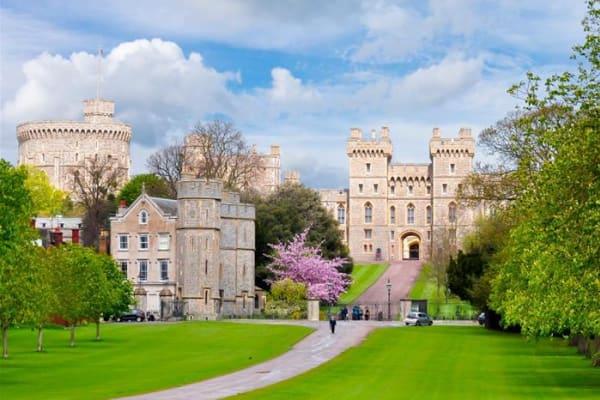
A Comprehensive Travel Guide: London, Windsor Castle, Stonehenge, and Bath
This itinerary covers a classic English journey, combining the vibrant capital with iconic historical landmarks and elegant Georgian architecture. Traveling from London to Windsor, then to the prehistoric mystery of Stonehenge, and on to the UNESCO World Heritage city of Bath, offers a rich tapestry of British history, culture, and scenery. This guide provides practical information, attraction details, and local insights for a seamless and enriching experience.
Trip Overview and Logistics
This circular route is typically undertaken over 3 to 5 days. The most efficient way to complete this tour, especially for the segment from Windsor to Stonehenge to Bath, is by joining an organized coach tour or by renting a car. Public transport is possible but requires careful planning and multiple connections.
Recommended Duration: 4-5 days (2-3 nights in London, 1-2 nights in Bath).
Best Time to Visit: Late spring (May-June) and early autumn (September-October) for pleasant weather and fewer crowds.
Transportation Core:
London to Windsor: Easy train connection from London Paddington or Waterloo stations (approx. 30-50 mins).
Windsor to Stonehenge to Bath: Best via organized tour or rental car. Direct public transport is not feasible.
Bath to London: Direct and frequent train service (approx. 1.5 hours).
Chapter 1: London – The Vibrant Capital
London is a sprawling metropolis steeped in history yet constantly evolving. It serves as the perfect start and end point for this journey, offering world-class museums, royal palaces, and diverse cultural experiences.
Key Attractions in London
The Tower of London: A historic castle on the north bank of the River Thames. Explore the Crown Jewels, see the iconic Beefeaters, and walk the battlements. Booking tickets online in advance is highly recommended.
Buckingham Palace: The official London residence of the monarch. Don’t miss the Changing of the Guard ceremony; check the official schedule for times. The State Rooms are open to the public during the summer.
British Museum: Home to a vast collection of world art and artifacts, including the Rosetta Stone and the Parthenon sculptures. Admission is free, though donations are appreciated.
Houses of Parliament & Big Ben: The seat of the UK government. The Elizabeth Tower (commonly known as Big Ben) is an iconic symbol of London. Tours of the Parliament are available on weekends and during recess.
The West End: Catch a world-class theatre production in this famous entertainment district. Book tickets well ahead for popular shows.
Food and Drink in London
London’s food scene is incredibly diverse. Beyond traditional pubs, explore its various culinary neighborhoods.
Traditional Pub Grub: Try a classic Sunday Roast, fish and chips, or a pie and mash in a historic pub.
Afternoon Tea: An indulgent British tradition. Options range from luxurious services at hotels like The Ritz or Fortnum & Mason to more casual café offerings.
Borough Market: A foodie’s paradise near London Bridge, offering fresh produce, artisan cheeses, and street food from around the world.
International Cuisine: Explore Brick Lane for Bangladeshi curries, Chinatown for dim sum, or areas like Brixton for Caribbean and African flavors.
Transportation in London
London’s public transport network is extensive. The easiest way to pay is using a contactless debit/credit card or an Oyster card.
The Tube (London Underground): The fastest way to cover long distances across the city. Avoid peak hours (7:30-9:30 am and 5-7 pm) if possible.
Buses: A scenic way to travel, offering great views of the city streets. Route 11 passes many major landmarks.
Walking: Many central attractions are within walking distance of each other, such as Trafalgar Square, Covent Garden, and the South Bank.
Accommodation Tips for London
Stay in zones 1-2 for easiest access to major sights. Popular areas include Covent Garden for theatre-goers, South Kensington for museum lovers, and Paddington/Bayswater for good transport links and mid-range hotels.
Chapter 2: Windsor Castle – A Royal Day Trip
A short train ride from London, Windsor Castle is the oldest and largest inhabited castle in the world. It remains an official residence of His Majesty The King and is a stunning example of royal heritage.
Exploring Windsor Castle
State Apartments: These grand rooms are used for ceremonial occasions and are furnished with treasures from the Royal Collection. Look for paintings by Rembrandt and Rubens.
St. George’s Chapel: A magnificent example of Gothic architecture and the burial place of ten monarchs, including Queen Elizabeth II and Prince Philip. It is also the site of Prince Harry’s wedding to Meghan Markle. Note that it is closed to visitors on Sundays for services.
Changing the Guard: A smaller but equally impressive ceremony compared to Buckingham Palace. It usually takes place on Tuesdays, Thursdays, and Saturdays; always check the official website for the precise schedule.
Queen Mary’s Dolls’ House: The largest and most famous dolls’ house in the world, featuring incredible detail and working amenities.
Practical Tip: Book tickets online in advance to skip the ticket-purchasing queue. Allow at least 2-3 hours for your visit.
The Town of Windsor
After visiting the castle, explore the charming town of Windsor. Walk along the Long Walk in Windsor Great Park for spectacular views of the castle, and enjoy a meal or a drink in one of the many traditional pubs and restaurants.
Getting from London to Windsor
Frequent train services run from London Paddington (changing at Slough) or direct from London Waterloo to Windsor & Eton Riverside. The journey takes between 30-50 minutes.
Chapter 3: Stonehenge – Prehistoric Mystery
Journey from Windsor into the heart of Wiltshire to one of the world’s most famous prehistoric monuments. Stonehenge is a powerful and enigmatic site that has captivated visitors for centuries.
Visiting Stonehenge
The Stone Circle: Visitors are not permitted to walk among the stones on the standard ticket, but a path circles the monument, offering excellent views. The scale and engineering feat are awe-inspiring when seen up close.
The Visitor Centre: This modern facility is essential for understanding the site. It features exhibits on the history and construction of Stonehenge, including 5,000-year-old human remains found nearby.
Neolithic Houses: See reconstructed houses based on archaeological evidence, where volunteers demonstrate how people lived 4,500 years ago.
Special Access Tours: For a truly unique experience, book a Stone Circle Access visit, which allows you to walk inside the stone circle before or after normal public opening hours. These must be booked well in advance.
Practical Tip: The weather on Salisbury Plain can be unpredictable. Dress in layers and bring a waterproof jacket. Pre-booking a timed ticket online is mandatory to guarantee entry.
Theories and Significance
The purpose of Stonehenge remains a subject of debate. It is aligned with the movements of the sun, leading to theories that it was an ancient astronomical observatory or a religious site associated with the solstices. The summer solstice sunrise draws thousands of modern-day pilgrims and celebrants.
Transportation to Stonehenge
There is no direct public transport from Windsor. The most straightforward options are:
Organized Tour: Many multi-day tours from London include Windsor, Stonehenge, and Bath in one itinerary.
Rental Car: Drive from Windsor to Stonehenge (approx. 1.5-2 hours). The site has a large car park included in the ticket price.
Public Transport (Complex): Train from Windsor to Reading, then to Salisbury. From Salisbury station, take The Stonehenge Tour bus directly to the site.
Chapter 4: Bath – Georgian Elegance
A UNESCO World Heritage city, Bath is renowned for its beautiful honey-colored Georgian architecture, built from the local Bath stone. Its history, however, stretches back to Roman times when it was established as a spa town.
Key Attractions in Bath
The Roman Baths: The best-preserved Roman spa complex in Northern Europe. Walk around the Great Bath, see the ancient changing rooms, and taste the spa water from the Pump Room. An audio guide brings the history to life.
Bath Abbey: A stunning Perpendicular Gothic church adjacent to the Roman Baths. Climb the tower for a breathtaking panoramic view of the city.
The Royal Crescent & The Circus: Iconic examples of Georgian town planning. The Royal Crescent is a sweeping curve of 30 terraced houses, while The Circus is a circular space with three entrances. No. 1 Royal Crescent is a museum furnished as it would have been in the late 18th century.
Pulteney Bridge: One of only four bridges in the world with shops across its full span on both sides. It offers lovely views over the weir on the River Avon.
The Jane Austen Centre: A tribute to the author who lived in Bath for several years. Explore her connection to the city and the Georgian society she wrote about.
Food and Drink in Bath
Bath offers a refined dining scene alongside cozy pubs and traditional tea rooms.
Sally Lunn’s Historic Eating House: Famous for the “Sally Lunn Bun,” a large, sweet brioche-style bun served with both sweet and savory toppings.
The Pump Room: Experience a traditional afternoon tea or lunch in this elegant Georgian room overlooking the Roman Baths. A string quartet often provides live music.
Bath Buns: A different delicacy from the Sally Lunn Bun, these are smaller, sweet rolls topped with sugar crystals and crushed comfrey.
Local Pubs: Enjoy a pint of local ale in a historic pub like The Star Inn or The Bell Inn.
A Unique Bath Experience: The Thermae Bath Spa
For a modern take on the city’s ancient spa tradition, visit Thermae Bath Spa. It is the only place in Britain where you can bathe in natural thermal waters. The rooftop pool offers stunning views across the city skyline.
Accommodation Tips for Bath
Bath is a compact city, so staying centrally allows you to explore mostly on foot. Look for guesthouses and hotels around the city centre or in Georgian townhouses for an authentic experience. Booking ahead is essential, especially during festivals.
Getting from Bath to London
Direct trains run frequently from Bath Spa station to London Paddington. The journey is swift and comfortable, taking approximately 1 hour and 30 minutes.
Cultural Insights and Practical Tips
Tipping Etiquette
Tipping in the UK is customary but not as heavily ingrained as in some other countries. In restaurants, a service charge of 10-12.5% is often added to the bill. If it is not, leaving 10-15% in cash is standard practice. For taxi drivers, rounding up the fare is common. Tipping in pubs is not expected when ordering drinks at the bar.
Weather Preparedness
The British weather is famously changeable. Be prepared for “four seasons in one day,” especially when visiting open sites like Stonehenge. A compact umbrella and a lightweight, waterproof jacket are essential items to pack.
Shopping and VAT Refunds
The VAT (Value Added Tax) rate in the UK is 20%. Non-EU residents can often claim a refund on goods purchased and taken out of the country. Ask for a VAT refund form in stores that participate in the scheme (usually indicated by a sign). Present these forms with your purchases at the airport upon departure.
A Final Note on Queueing
The British take queueing (standing in line) very seriously. It is considered extremely poor form to jump a queue. Always wait your turn politely at bus stops, ticket counters, and attractions.