A Comprehensive Travel Guide: Paris, Monet’s Garden & Versailles
This guide details a classic artistic and regal journey from the heart of Paris to the iconic gardens of Claude Monet and the opulent Palace of Versailles. It is designed to provide all the practical information and historical context needed for a seamless and enriching experience.
Part 1: Paris – The City of Light
Paris, the capital of France, is a global center for art, fashion, gastronomy, and culture. Its tree-lined boulevards, iconic landmarks, and artistic heritage make it one of the world’s most visited cities.
Key Attractions in Paris
Eiffel Tower (La Tour Eiffel): The quintessential symbol of Paris. Consider visiting at night for the sparkling light show. Reservations for lifts are highly recommended.
The Louvre Museum (Musée du Louvre): The world’s largest art museum, home to the Mona Lisa, Venus de Milo, and countless other masterpieces. Purchase tickets online in advance to avoid long queues.
Notre-Dame Cathedral: While the interior remains closed for restoration following the 2019 fire, the exterior and the surrounding area on the Île de la Cité are still impressive to behold.
Arc de Triomphe: Offers one of the best panoramic views of the city, looking down the Champs-Élysées and across the radiating streets. Climb the 284 steps for a breathtaking vista.
Montmartre & Sacré-Cœur Basilica: A historic artistic neighborhood on a hill, crowned by the stunning white basilica. The square, Place du Tertre, is filled with artists painting and selling their work.
Musée d’Orsay: Housed in a magnificent former railway station, this museum boasts the world’s finest collection of Impressionist and Post-Impressionist art.
Practical Information for Paris
Getting Around: The Paris Métro is efficient and comprehensive. Consider purchasing a “carnet” of 10 tickets or a Navigo Découverte pass for longer stays. Walking is often the best way to discover the city’s hidden gems.
Accommodation: Districts (arrondissements) 1st-8th are central and convenient but expensive. The Marais (3rd/4th), Saint-Germain-des-Prés (6th), and the Latin Quarter (5th) are popular for their charm and central location.
Food & Drink: Enjoy a coffee at a sidewalk café, indulge in pastries from a boulangerie, and have a classic French meal at a neighborhood bistro. Try staples like croissants, steak-frites, onion soup, and crème brûlée.
Part 2: Giverny & Monet’s Garden
A day trip to Giverny offers a tranquil escape from the city and a pilgrimage for art lovers. This is where Claude Monet lived for 43 years and painted his famous Water Lilies series and Japanese Bridge.
Exploring the Property
Clos Normand Flower Garden: Located in front of Monet’s pink-green house, this garden is a vibrant, structured explosion of color. Flowers are arranged by variety and color, creating a living palette.
The Japanese Water Garden: Accessed via an underground passage, this is the scene of Monet’s most famous works. The pond, with its weeping willows, wisteria, and the iconic green footbridge, is a living painting.
Monet’s House: The bright pink house with green shutters has been meticulously restored. You can walk through his studios, his blue sitting room, and the yellow dining room, gaining insight into his daily life.
Practical Information for Giverny
Location: Giverny is approximately 80 km (50 miles) northwest of Paris.
Getting There:
By Train: Take a train from Paris Gare Saint-Lazare to Vernon. The journey takes about 45 minutes. From Vernon station, you can take a shuttle bus, rent a bicycle (a pleasant 15-minute ride), or walk (about an hour) to the gardens.
By Organized Tour: Many companies offer day trips from Paris, which include transportation and pre-booked tickets, making the journey very convenient.
Opening Hours: Open daily from late March to November 1st. Hours are typically 9:30 AM to 6:00 PM. Last admission is usually 5:30 PM.
Tickets: It is highly advisable to purchase tickets online in advance from the official Fondation Claude Monet website to guarantee entry and skip the ticket line.
Best Time to Visit: Spring (April-May) for tulips and fruit trees in bloom, and late spring/early summer (May-June) for irises, wisteria, and roses. The water garden is particularly stunning in late summer and autumn.
Time Needed: Allow at least 3-4 hours to fully appreciate the house and both gardens at a leisurely pace.
Part 3: Palace of Versailles (Château de Versailles)
The Palace of Versailles is the ultimate symbol of royal absolutism and the artistic triumph of France. Originally a hunting lodge, King Louis XIV transformed it into the magnificent seat of French royalty and government.
Exploring the Estate
The State Apartments: A series of incredibly ornate rooms, including the Hercules Drawing Room and the Venus Drawing Room, leading to the palace’s climax.
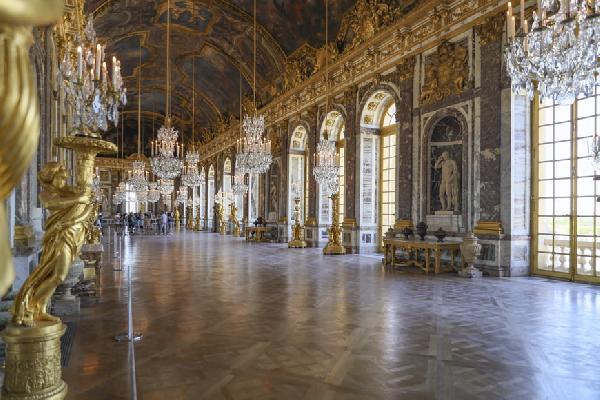
The Hall of Mirrors (Galerie des Glaces): The most famous room in the palace. This 73-meter-long gallery with 17 mirror-clad arches overlooks the gardens and was used for court ceremonies and events.
The King’s and Queen’s Apartments: These private suites, including the Queen’s Bedchamber where Marie Antoinette slept, offer a more intimate look at royal life.
The Gardens (Jardins): A vast formal garden spanning over 800 hectares. Designed by André Le Nôtre, they feature meticulous parterres, sculptures, fountains, and canals. Access to the gardens is usually free, except on days with the Musical Fountains Show or Musical Gardens.
The Grand Trianon & The Petit Trianon: Smaller palaces on the grounds used as retreats from the formality of the main court. The Petit Trianon was Marie Antoinette’s private domain.
The Hamlet (Hameau de la Reine): A picturesque rustic village built for Marie Antoinette where she could escape court life and play at being a shepherdess.
Practical Information for Versailles
Location: Versailles is located about 20 km (12 miles) southwest of Paris.
Getting There:
By Train (RER): The most common method. Take the RER C line to the “Versailles Château Rive Gauche” station. The journey takes about 30-40 minutes from central Paris. The palace is a 10-minute walk from the station.
By Train (SNCF): From Gare Montparnasse, take a train to “Versailles Chantiers,” or from Gare Saint-Lazare to “Versailles Rive Droite.” Both are a 15-20 minute walk to the palace.
Opening Hours: The palace is generally open Tuesday to Sunday, 9:00 AM to 5:30 PM (closed Mondays). The estate of Trianon and the Coach Gallery have similar but slightly different hours. The gardens are open every day. Always check the official website for the most current hours before your visit.
Tickets: Booking online in advance from the official Château de Versailles website is absolutely essential. Options include:
– Passport with Timed Entry: Grants access to the entire estate (Palace, Trianon estates, Gardens on show days). This is the best way to avoid the notoriously long entrance lines.
– The Palace Ticket: Access to the Palace only, including the Hall of Mirrors and State Apartments.
– Consider the “Musical Fountains Shows” or “Musical Gardens” tickets for a truly special experience in the gardens on select days.
Best Time to Visit: Arrive at opening time or in the late afternoon to avoid the worst crowds. Weekdays are generally less busy than weekends.
Time Needed: A full day is recommended to see the Palace, Gardens, Trianon, and Hamlet without rushing. A minimum of 4-5 hours is needed for just the Palace and a walk through the Gardens.
Trip Logistics & Itinerary Planning
Suggested Itinerary
Option 1: Three-Day Core Trip
Day 1: Explore central Paris. Morning at the Louvre, afternoon at Notre-Dame and Sainte-Chapelle area, evening ascent of the Eiffel Tower.
Day 2: Day trip to Giverny. Take an early train to enjoy the gardens in the morning light. Return to Paris in the late afternoon.
Day 3: Day trip to Versailles. Dedicate the entire day to exploring the vast palace and gardens.
Option 2: Five-Day Comprehensive Trip
Day 1: Paris – Right Bank. Arc de Triomphe, walk down Champs-Élysées, explore the Marais district.
Day 2: Paris – Left Bank. Musée d’Orsay in the morning, Saint-Germain-des-Prés for lunch, Luxembourg Gardens in the afternoon.
Day 3: Day trip to Giverny.
Day 4: Day trip to Versailles.
Day 5: Paris – Montmartre. Explore Sacré-Cœur and the artistic square, with a possible visit to the Picasso Museum or a Seine river cruise in the afternoon.
Transportation Between Destinations
Paris ↔ Giverny: Train from Gare Saint-Lazare to Vernon + shuttle/bike/walk.
Paris ↔ Versailles: RER C line to Versailles Château Rive Gauche station.
Giverny ↔ Versailles (Not Recommended Directly): There is no direct, convenient public transport link. The most efficient way is to return to Paris from Giverny and then travel out to Versailles on a separate day.
General Travel Tips
Book in Advance: This is the single most important tip. Pre-book all major attractions (Eiffel Tower, Louvre, Versailles, Monet’s Garden) online to save hours of waiting.
Comfortable Shoes: You will be doing a tremendous amount of walking on all three parts of this itinerary.
Weather Preparedness: Check forecasts. Bring layers, an umbrella, and sunscreen as needed. The gardens at Giverny and Versailles are largely outdoors.
Start Early: For both Giverny and Versailles, arriving at opening time provides a more peaceful experience before the bulk of visitors arrive.
The Paris Museum Pass: Consider this pass if your Paris itinerary is museum-heavy. It covers the Louvre, Orsay, Arc de Triomphe, and Versailles (though note it does not cover Giverny or Eiffel Tower lift access). It also offers skip-the-line privileges at some locations.
Learn Basic French Phrases: Simple greetings like “Bonjour” (Hello), “Merci” (Thank you), and “Au revoir” (Goodbye) are appreciated.
Stay Hydrated and Take Breaks: Schedule time for coffee or a picnic in one of Paris’s beautiful parks or the gardens of Versailles.
A Note on Timing Your Visits
Avoid visiting Giverny, Versailles, and major Paris museums on Mondays or Tuesdays, as many Parisian museums (like the Louvre and Orsay) are closed on one of these days, which pushes crowds to other attractions. Check individual closing days carefully when planning your schedule.
A journey through Paris, Giverny, and Versailles offers a profound exploration of French art, history, and landscape architecture. With careful planning, this trip can be a smooth and unforgettable immersion into the heart of French culture.
`