A Comprehensive Travel Guide: London, Windsor, Stonehenge, Bath, the Cotswolds & Stratford-upon-Avon
This guide outlines a classic English itinerary, taking travelers from the bustling capital through royal residences, ancient mysteries, Georgian elegance, and the idyllic countryside of the Cotswolds. This journey offers a profound glimpse into the history, culture, and landscapes that define England.
Itinerary Overview
This circular route begins and ends in London, England’s vibrant capital. The journey then moves west to the royal Windsor Castle, continues to the prehistoric enigma of Stonehenge, and on to the UNESCO World Heritage city of Bath. From there, it delves into the heart of the Cotswolds, with stops in Shakespeare’s birthplace and the quintessential village of Bourton-on-the-Water, before returning to London. The entire trip is best experienced over 7 to 10 days.
Chapter 1: London – The Capital Gateway
London is a sprawling metropolis steeped in history yet buzzing with modern energy. It serves as the perfect start and end point for this adventure.
Key Attractions
The Tower of London: A historic castle on the north bank of the River Thames. It has served as a royal palace, prison, armory, and treasury. Visitors can see the Crown Jewels, explore the medieval palace, and hear tales from the iconic Beefeaters.
Buckingham Palace: The official London residence of the UK’s sovereign. The Changing of the Guard ceremony is a major spectacle. During summer, the State Rooms are open to the public.
The British Museum: Home to a vast collection of world art and artifacts, including the Rosetta Stone and the Parthenon Marbles. Admission is free.
The Houses of Parliament & Big Ben: An iconic Gothic revival building housing the UK’s political chambers. The Elizabeth Tower, commonly known as Big Ben, is one of the most recognizable symbols of London.
Westminster Abbey: A magnificent Gothic church and a UNESCO World Heritage site, it has been the coronation church since 1066 and is the final resting place of many monarchs and notable figures.
Food & Drink
Traditional Pubs: Sample a pint of ale and classic pub fare like fish and chips or a Sunday roast at a historic pub.
Afternoon Tea: Indulge in a quintessential British experience with finger sandwiches, scones with clotted cream and jam, and pastries. Options range from luxurious hotels like The Ritz to charming tea rooms.
International Cuisine: London’s diverse population means exceptional food from around the world. Borough Market is a fantastic spot to sample a variety of gourmet foods.
Transportation
London has an extensive public transport network. The London Underground (“the Tube”) is the fastest way to travel across the city. Visitors are advised to get an Oyster card or use contactless payment for the best fares. Black cabs are iconic but expensive; ride-sharing apps are also widely available.
Accommodation Tips
Staying in central London (West End, Covent Garden, South Bank) is convenient but pricey. More affordable options can be found in zones 2-3, which are still well-connected by the Tube. Neighborhoods like Kensington, Paddington, and King’s Cross offer a good balance of accessibility and value.
Chapter 2: Windsor Castle – A Royal Day Trip
A short train ride from London, Windsor Castle is the oldest and largest inhabited castle in the world. It remains an official residence of His Majesty The King.
Key Attractions
State Apartments: These opulent rooms are used for ceremonial and state occasions. They are furnished with treasures from the Royal Collection, including paintings by Rembrandt and Rubens.
St. George’s Chapel: A stunning example of Gothic architecture and the burial place of ten monarchs, including Queen Elizabeth II. It is also the location of the wedding of Prince Harry and Meghan Markle.
Changing the Guard: A smaller but equally impressive ceremony compared to London’s, often taking place within the castle grounds.
Transportation from London
Frequent trains run from London Paddington (changing at Slough) or direct from London Waterloo to Windsor & Eton Riverside. The journey takes approximately 30-60 minutes.
Cultural Insight
Windsor offers a direct connection to the living monarchy. The flag flying above the Round Tower indicates whether the King is in residence (the Royal Standard) or not (the Union Flag).
Chapter 3: Stonehenge – Prehistoric Mystery
Journey further west into Wiltshire to encounter one of the world’s most famous prehistoric monuments. This enigmatic stone circle continues to captivate visitors with its scale, age, and unknown purpose.
Key Attractions
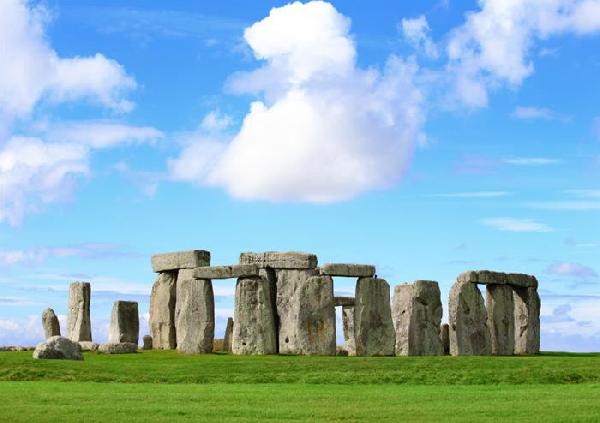
The Stone Circle: Dating back to around 2500 BC, the massive sarsen stones and smaller bluestones are arranged in a circular layout. A shuttle bus takes visitors from the visitor center to the stones, or one can walk along a path for a more immersive approach.
The Visitor Centre: An excellent exhibition displays Neolithic tools, pottery, and artifacts found at the site. It also features reconstructed Neolithic houses, offering a glimpse into the lives of the people who built Stonehenge.
Transportation & Tours
Stonehenge is best visited by car or as part of an organized tour from London or Bath. Driving allows for flexibility. Many tour companies combine Stonehenge with Bath in a single day trip from London, though this can be rushed. There is no direct public transport to the site; the closest train station is in Salisbury, from which a bus service operates.
Cultural Insight
The alignment of the stones with the solstices suggests it was a place of spiritual and astronomical significance. Respecting the monument is paramount; visitors are not permitted to touch the stones on the standard tour, though special access tours can be booked for a closer experience.
Chapter 4: Bath – Georgian Elegance
A UNESCO World Heritage city, Bath is renowned for its natural hot springs and magnificent 18th-century Georgian architecture, built from the distinctive honey-colored Bath stone.
Key Attractions
The Roman Baths: A remarkably preserved complex of baths and a temple built around Britain’s only hot spring. The museum houses artifacts from the Roman era, and while you can’t bathe in the historic waters, you can taste the spa water.
Bath Abbey: A magnificent Gothic church adjacent to the Roman Baths, known for its stunning fan-vaulted ceiling and large stained-glass windows.
The Royal Crescent & The Circus: Iconic examples of Georgian town planning. The Royal Crescent is a sweeping curve of 30 terraced houses, while The Circus is a circular space of townhouses.
Pulteney Bridge: One of only a few bridges in the world with shops built across its full span on both sides.
Food & Drink
Sally Lunn’s Historic Eating House: Famous for the “Sally Lunn Bun,” a large, sweet brioche-style bun.
The Pump Room: An elegant restaurant where you can enjoy afternoon tea or a meal accompanied by the city’s spa water and often, live classical music.
Local Pubs: Seek out traditional pubs for a hearty meal and local ales from Bath-based breweries.
Accommodation Tips
Bath offers a range of accommodations, from luxury hotels in historic buildings to charming bed and breakfasts. Staying in the city center allows for easy exploration on foot.
Chapter 5: The Cotswolds – Quintessential English Countryside
The Cotswolds is an Area of Outstanding Natural Beauty (AONB) characterized by rolling hills, river valleys, and picturesque villages built from distinctive golden Cotswold stone.
Key Attractions
Shakespeare’s Birthplace (Stratford-upon-Avon): While technically just outside the official Cotswolds boundary, it is a logical and essential stop. Visit the half-timbered house where William Shakespeare was born and raised. Also explore Anne Hathaway’s Cottage and Holy Trinity Church, where he is buried.
Bourton-on-the-Water: Often called the “Venice of the Cotswolds,” this village features the River Windrush flowing through its center, crossed by several low, arched stone bridges. Attractions include the Model Village, a one-ninth scale replica of the village itself, and the Cotswold Motoring Museum.
Other Notable Villages:
Bibury: Famous for Arlington Row, a row of incredibly picturesque 17th-century weavers’ cottages.
Stow-on-the-Wold: A historic market town with a large market square and antique shops.
Castle Combe: Frequently named England’s prettiest village, with no modern buildings disrupting its historic charm.
Transportation
Exploring the Cotswolds is best done by car, as it provides the freedom to discover remote villages and stop at scenic viewpoints at your own pace. Public transport exists but can be infrequent, linking major towns like Cheltenham, Stroud, and Moreton-in-Marsh. Organized tours from Bath or London are another option for those without a car.
Food & Drink
Country Pubs: The heart of any Cotswold village. Enjoy locally sourced produce, real ales from regional breweries, and a cozy atmosphere by a fireplace.
Cream Teas: A must-try experience in the countryside. Consists of scones served with clotted cream, strawberry jam, and a pot of tea.
Farm Shops: The region is known for its high-quality local produce. Visit a farm shop to purchase cheeses, meats, and baked goods.
Accommodation Tips
The Cotswolds is famous for its charming bed and breakfasts, country house hotels, and cozy inns. For an authentic experience, stay in a B&B in a smaller village. Booking in advance is essential during peak season (summer and Christmas).
Chapter 6: Return to London & Departure
The final leg of the journey involves returning to London. If driving, allow 2-3 hours from the central Cotswolds to central London, accounting for potential traffic. Alternatively, trains run from stations like Moreton-in-Marsh or Kemble to London Paddington. This final day in London can be used for last-minute shopping in areas like Oxford Street or Covent Garden, visiting an attraction missed at the start, or simply relaxing before departure.
Practical Travel Summary
Best Time to Visit
Late Spring (May-June) and Early Autumn (September-October): These periods typically offer mild weather, longer daylight hours, and fewer crowds than peak summer.
Summer (July-August): The warmest weather but also the busiest and most expensive time. School holidays mean family crowds.
Winter (November-February): Colder and shorter days, but also fewer tourists. Christmas markets and decorations can be magical, especially in London and Bath.
Budgeting and Booking
England can be an expensive destination. It is highly advisable to book accommodations and major attraction tickets (especially for Windsor Castle, Stonehenge, and The Roman Baths) well in advance online. This often secures a better price and guarantees entry. Consider purchasing a heritage or rail pass if planning to visit multiple paid historical sites.
Cultural Etiquette
- Tipping is customary in restaurants (10-15% if service is not included) and for taxi drivers.
- Queueing (standing in line) is taken very seriously; never jump a queue.
- When visiting churches and cathedrals, respectful behavior and modest dress are appreciated.
- A simple “please” and “thank you” are very important in daily interactions.
This itinerary through England’s heartland offers a rich tapestry of experiences, blending urban sophistication with ancient history and timeless rural beauty, creating memories that will last a lifetime.