A Travel Guide to the Malé-Far Islands-Malé Route, Maldives
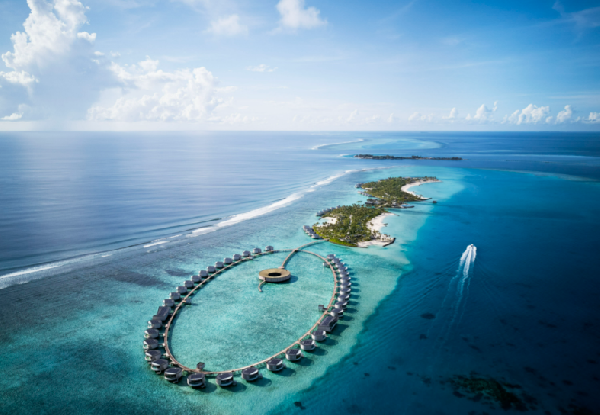
The Maldives, an archipelago nation of 26 atolls scattered across the Indian Ocean, is synonymous with paradise. While many visitors fly directly to their secluded resort islands, there is a rich and vibrant world beyond the airport and the overwater villas. This guide focuses on a journey that offers a deeper, more nuanced Maldivian experience: the route from the capital city, Malé, to the local islands of the Far (or Faafu) Atoll, and back. This itinerary provides a unique blend of urban energy, authentic local culture, and pristine natural beauty.
Part 1: Malé – The Beating Heart of the Maldives
Malé is one of the world’s smallest national capitals, a densely populated and dynamic city that stands in stark contrast to the serene resort islands. For travelers, it’s often a transit point, but spending a day or two here is essential to understanding the real Maldives.
Attractions in Malé
Old Friday Mosque (Hukuru Miskiy): A testament to Maldivian history and craftsmanship, this mosque, built in 1658 from coral stone, is the oldest in the country. The intricate coral carvings and Quranic scripts on its walls are breathtaking. Note that non-Muslim visitors are allowed outside prayer times and may need permission from an official.
Islamic Centre and Grand Friday Mosque: This magnificent golden-domed mosque is the largest in the Maldives and a dominant feature of the Malé skyline. It can accommodate over 5,000 worshippers. Visitors are welcome in appropriate attire (long sleeves and trousers or long skirts).
Malé Local Market: A bustling, colorful market where the catch of the day is brought in from the surrounding waters. It’s a fantastic place to see the variety of fish, from giant tunas to small reef fish, and to feel the city’s rhythm.
National Museum: Housed in the former Sultan’s Palace, the museum offers a journey through Maldivian history, from pre-Islamic Buddhist times to the modern era. Exhibits include royal antiquities, traditional costumes, and weaponry.
Republic Square (Jumhooree Maidan): A central public space often used for parades and gatherings, flanked by the important government buildings.
Artificial Beach: A man-made beach area where locals, especially women and families, go to swim and socialize, as most natural beaches on the island are used as ports.
Food in Malé
Malé is a culinary hub where you can find everything from local teashops to international cuisine.
Local Eateries: Seek out small cafes for Mas Huni (shredded smoked tuna with coconut, onion, and chili) served with Roshi (flatbread) – the quintessential Maldivian breakfast.
Sea House Cafe: Offers great views of the harbor and a mix of local and Western dishes. Try their grilled fish.
Symphony Restaurant: A popular spot for both locals and tourists, serving a wide range of international and Maldivian seafood.
Tip: Drink “Short Eats”: These are the Maldivian version of snacks or tapas, available in many cafes. They include pastries, samosas, and other bites filled with fish, chicken, or vegetables.
Transportation & Practical Tips for Malé
Getting Around: The entire city is easily walkable. For longer distances, taxis are plentiful and inexpensive. There are no ride-sharing apps; you hail them on the street or find them at stands.
Currency: Maldivian Rufiyaa (MVR). US Dollars are widely accepted in shops and for tours.
Dress Code: While more relaxed than the outer atolls, it is respectful to dress modestly in Malé. Cover shoulders and knees when walking around the city, especially near mosques.
Accommodation: There are several hotels and guesthouses in Malé, ranging from basic to comfortable business hotels. It’s a practical base for an early morning flight.
Part 2: The Far (Faafu) Atoll – An Authentic Island Escape
Located about 130 kilometers south of Malé, the Far Atoll is a haven of turquoise lagoons, lush palm-fringed islands, and a slower pace of life. Unlike the private resort islands, here you will stay on “inhabited islands” where Maldivians live and work, offering an unparalleled glimpse into local culture.
Key Islands in Far Atoll
Nilandhoo: The administrative capital of the atoll. It has a rich history, home to another ancient mosque, the Nilandhoo Friday Mosque, believed to be over 800 years old. The island has a more “town-like” feel compared to its neighbors.
Magoodhoo: A smaller, quieter island known for its beautiful beaches and friendly community. It’s an excellent base for relaxation and water activities.
Bileddhoo: Famous for its stunning sandbank, a perfect spot for a picnic and snorkeling in the surrounding crystal-clear waters.
Attractions & Activities in Far Atoll
Snorkeling and Diving: The Far Atoll boasts some of the Maldives’ most pristine reefs. The Fottey Kandu (a channel between islands) is a renowned dive site where you can see sharks, eagle rays, and large schools of pelagic fish. Most guesthouses organize daily snorkeling trips to house reefs and other nearby spots teeming with marine life.
Sandbank Picnics: A quintessential Maldivian experience. Your guesthouse will arrange a trip to a secluded sandbank where you can have the entire white-sand paradise to yourself for a few hours.
Island Hopping: Visit different islands within the atoll to see variations in community life, landscapes, and local crafts.
Fishing Trips: Join a traditional night fishing or big game fishing trip. The catch can often be prepared for your dinner by the guesthouse.
Cultural Interaction: Simply walking around the islands, greeting locals with a smile and “Assalaamu alaikum,” and watching children play football is a rewarding experience. Visit the local shops and watch fishermen mend their nets.
Food in Far Atoll
Dining is typically arranged through your guesthouse. Meals are a highlight, offering authentic home-cooked Maldivian cuisine.
Guesthouse Meals: Expect generous buffets or set menus featuring Garudhiya, a clear tuna soup served with rice, lime, and chili; various Rihaakuru (tuna paste) curries; and grilled fish.
Local Cafes (Hotaa): On islands like Nilandhoo, you can find small local cafes serving tea, short eats, and simple meals.
Tuna is King: Be prepared for tuna in many forms—grilled, smoked, boiled, in curries, and in pastes. The freshness is unparalleled.
Coconut Everything: Coconut is used extensively in cooking, from grating it into curries to using its milk in sauces.
Transportation to and within Far Atoll
Getting There from Malé:
Speedboat:The fastest option (approx. 2-3 hours), usually arranged by your guesthouse. It can be expensive but convenient.
Public Ferry:The most affordable way to travel. The ferry from Malé to Nilandhoo runs on a specific schedule (e.g., twice a week) and takes about 6-7 hours. It’s a fantastic cultural experience but requires flexibility with your itinerary.
Getting Around the Atoll: Local ferries connect the islands within the atoll, but they are infrequent. The best way to explore is by arranging private speedboat transfers through your guesthouse for island hopping and excursions.
Part 3: The Return Journey – Malé Revisited
The return to Malé after time in the Far Atoll offers a chance to re-acclimate. You may appreciate the city’s conveniences and energy with fresh eyes. Use this time for last-minute souvenir shopping at the
STO Trade Centre or local souvenir shops, or enjoy a final meal at one of Malé’s many restaurants before your departure.
Crucial Cultural Aspects & Travel Tips
Cultural Etiquette on Local Islands
Modest Dress is Mandatory: This is the most important rule. When on local islands (like all in Far Atoll), both men and women must cover from shoulders to knees. Women should wear loose-fitting clothing. Swimwear is strictly prohibited anywhere except on designated “Bikini Beaches” (often a section of the main beach roped off for tourists).
Alcohol and Pork: These are prohibited by law on all local islands. Do not bring any into the country. They are only available on resort islands.
Ramadan: If traveling during the holy month of Ramadan, be aware that eating, drinking, or smoking in public during daylight hours is forbidden by law. Many cafes will be closed, though guesthouses will still serve meals to their guests discreetly.
Religion:The call to prayer echoes across the islands five times a day. Be respectful of those who are praying. Mosques are for worshippers only.
Public Displays of Affection: These are frowned upon in Maldivian culture.
The Environment:The Maldives is incredibly vulnerable to climate change and plastic pollution. Be a responsible traveler: do not touch or stand on coral, use reef-safe sunscreen, and avoid single-use plastics.
Practical Travel Tips
Visa:A free 30-day tourist visa is granted on arrival for all nationalities upon showing a valid passport, return ticket, and proof of accommodation.
Connectivity:Wi-Fi on local islands can be slow and unreliable. Consider purchasing a local SIM card at the airport (from Dhiraagu or Ooredoo) for better data connectivity during your trip.
Health and Safety:The sun is intense. Use high-SPF sunscreen, a hat, and sunglasses. Drink plenty of bottled water. There are medical facilities on larger islands like Nilandhoo, but for serious issues, you would be transferred to Malé.
Budgeting:The Far Atoll is significantly cheaper than resorts, but cash is king. Bring enough US Dollars or MVR to pay for excursions, souvenirs, and any meals not included in your guesthouse package.
Booking:Book your guesthouse well in advance, especially during peak season (December-April). They can also help you arrange transport from Malé.
A journey from Malé to the Far Atoll and back is more than just a vacation; it’s an immersion into the soul of the Maldives. It’s a trip that balances the vibrant pulse of a unique capital city with the tranquil rhythms of island life, all set against a backdrop of unparalleled natural beauty. It’s an experience that will leave you not just with beautiful photos, but with a genuine understanding of this remarkable island nation.