An Icelandic Circuit: Reykjavik, the South Coast, Skaftafell & Vík
This travel guide details a classic Icelandic road trip, a loop that takes you from the modern capital, along the dramatic South Coast, into the realm of glaciers, and back again. This journey encapsulates the raw, elemental beauty of Iceland, where fire and ice have sculpted a landscape of unparalleled drama.
Part 1: Reykjavik – The World’s Northernmost Capital
Your Icelandic adventure begins in Reykjavik, a small, vibrant city that buzzes with creativity against a backdrop of serene mountains and sea. It’s a city of colorful tin-roofed houses, cutting-edge design, and a deep-seated connection to its Viking past.
Key Attractions in Reykjavik
Hallgrímskirkja Church: This iconic concrete church, inspired by Iceland’s basalt lava flows, dominates the city skyline. Take the elevator to the top of the bell tower for a breathtaking 360-degree panoramic view of the city, the surrounding mountains, and the Faxaflói Bay.
Harpa Concert Hall: A masterpiece of contemporary architecture, Harpa’s geometric glass facade reflects the sky, sea, and city lights. Even if you don’t attend a concert, wandering through its shimmering interior is a must.
The Sun Voyager (Sólfar): This elegant steel sculpture on the seaside promenade resembles a Viking longship. It’s a beautiful spot for photos, especially at sunset.
Perlan (The Pearl): Perched on Öskjuhlíð hill, this glass-domed building offers another superb viewing platform. It also houses a fascinating natural history museum and a real indoor ice cave you can walk through.
The National Museum of Iceland: For a deep dive into the nation’s history, from the Settlement Age to the present day, this museum is unparalleled. It provides essential context for the landscapes you are about to explore.
Food & Drink in Reykjavik
Reykjavik’s food scene has exploded in recent years, moving far beyond traditional fare to embrace New Nordic cuisine.
Traditional Icelandic Fare: Be adventurous and try plokkfiskur (a hearty fish stew), kjötsúpa (lamb soup), or the infamous hákarl (fermented shark) for the brave. For a more accessible taste, sample harðfiskur (dried fish) with butter.
Hot Dog Stand (Bæjarins Beztu Pylsur): A Reykjavik institution. Order one “with everything” (eina með öllu) – it includes crispy and raw onions, remoulade, ketchup, and mustard.
Coffee Culture: Icelanders are serious about their coffee. The city is dotted with excellent cafes perfect for people-watching and warming up.
Fine Dining: Restaurants like Dill and Grillmarkaðurinn (The Grill Market) offer innovative tasting menus that showcase local ingredients like Arctic char, lamb, and skyr.
Practical Tips for Reykjavik
Transportation: The city center is very walkable. For longer distances, use the Strætó bus system. If you’re picking up a rental car for your journey, the airport (KEF) is about a 45-minute drive away.
The Blue Lagoon: While not in Reykjavik, it’s located near the airport on the Reykjanes Peninsula. Many visitors go upon arrival or before departure. Book tickets well in advance as it sells out.
Budget: Reykjavik is expensive. Save money by buying drinks and snacks at Bonus or Krónan supermarkets.
Part 2: The South Coast – Waterfalls, Black Sand, and Glaciers
Leaving Reykjavik behind, you head east on Route 1, the Ring Road. The landscape transforms quickly from suburban to vast, open plains backed by a chain of glaciers, including the mighty Eyjafjallajökull and Mýrdalsjökull.
Key Attractions on the South Coast
Seljalandsfoss waterfall: A graceful curtain of water you can walk behind. This unique perspective is magical but be prepared to get wet from the spray. Wear a waterproof jacket and non-slip shoes.
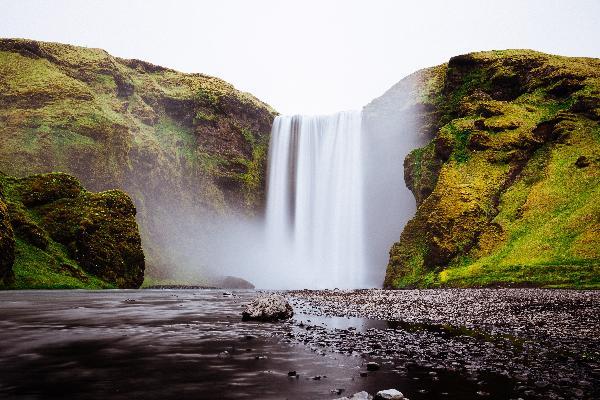
Skógafoss waterfall: A powerful, broad waterfall that plunges 60 meters. You can walk right up to its base and feel the mist on your face. A steep staircase leads to a viewing platform at the top for a spectacular view of the coast.
Solheimasandur Plane Wreck: The skeletal remains of a US Navy DC-3 that crash-landed in 1973. It’s a 4km (one-way) flat walk from the parking lot to the wreck. The stark, black sand beach and the eerie wreck make for dramatic photography.
Dyrhólaey Promontory: A dramatic headland with a massive stone arch stretching out into the sea. It’s a fantastic viewpoint to see the endless black sand beaches of Mýrdalssandur and is also a prolific bird nesting site (closed during nesting season in spring/summer).
Reynisfjara Black Sand Beach: Often cited as one of the world’s most beautiful non-tropical beaches, it is also one of the most dangerous. Its stunning features include the Reynisdrangar basalt sea stacks (legend says they are frozen trolls), a cave of basalt columns, and powerful “sneaker waves” that can appear without warning. Always keep a safe distance from the water and never turn your back on the ocean.
Part 3: Vík í Mýrdal – Iceland’s Southernmost Village
The small village of Vík serves as a perfect base for exploring the surrounding South Coast wonders. With a population of just over 600, it’s a peaceful hub nestled under the glacier Mýrdalsjökull.
Experiencing Vík
The Church on the Hill: For the quintessential photo of Vík with its red-roofed church set against Reynisfjara beach and the sea stacks, walk up to this hilltop landmark.
Reynisfjara Beach: As mentioned, this iconic beach is just a 10-minute drive from Vík. Visit in the evening for softer light and fewer crowds.
Local Wool: Vík is home to the Icewear factory and store, perfect for picking up a genuine Icelandic wool sweater (lopapeysa).
Food & Accommodation in Vík
Options are limited but good quality.
Suður-Vík: A cozy restaurant offering excellent pizza and traditional Icelandic dishes.
The Soup Company: Located at the Black Beach Suites, it’s famous for its delicious, hearty soups served in bread bowls – perfect after a windy beach walk.
Smýrilíð Guesthouse & Campground: A well-regarded place to stay, offering rooms and camping facilities.
Part 4: Skaftafell – Gateway to Vatnajökull National Park
Continuing east from Vík, the scenery becomes even more epic. You’ll pass vast sandar (glacial outwash plains) before reaching the Skaftafell area, part of the immense Vatnajökull National Park. Vatnajökull is Europe’s largest glacier outside the Arctic, covering an area roughly the size of Cyprus.
Key Attractions in Skaftafell
Skaftafell Visitor Center: Your first stop. Here you can get detailed maps, check weather and trail conditions, and book guided activities. Park rangers are an invaluable resource.
Hiking Trails: Skaftafell is a hiker’s paradise. A popular and relatively easy hike leads to Svartifoss (Black Fall), a stunning waterfall framed by dark, hexagonal basalt columns that inspired the architecture of Hallgrímskirkja.
Glacier Hikes: This is the primary reason people come here. You must join a guided tour to walk on the glaciers (e.g., Falljökull or Svínafellsjökull). These tours provide necessary safety equipment like crampons and ice axes. It’s an unforgettable experience to traverse the blue-ice world of crevasses and ice sculptures.
Jökulsárlón Glacier Lagoon & Diamond Beach: A short drive east from Skaftafell lies one of Iceland’s crown jewels. Here, icebergs calve from the Breiðamerkurjökull glacier and float in the lagoon before drifting out to sea. Across the road on the “Diamond Beach,” these ice chunks are washed ashore, glittering like diamonds on the black sand. It’s incredibly photogenic at sunrise and sunset.
Fjallsárlón Glacier Lagoon: Less crowded than its famous neighbor Jökulsárlón, this lagoon offers an equally breathtaking and more intimate view of the glacier’s edge.
Practical Tips for Skaftafell
Book in Advance: Glacier hikes and ice cave tours (in winter) are extremely popular. Book your spot weeks or even months ahead.
Weather Preparedness: Weather in this region can change in an instant. Dress in layers and be prepared for rain, wind, and sun all in one day.
Accommodation: Options near Skaftafell are limited to a campground, a hotel, and a few guesthouses in nearby Höfn and Kirkjubæjarklaustur. Book early, especially in summer.
The Return Journey: Vík to Reykjavik
The drive back to Reykjavik offers a chance to see the landscapes from a new perspective. You can stop at any sites you missed on the way out or simply enjoy the ever-changing light on the mountains and sea. Consider a detour to the
Secret Lagoon (Gamla Laugin) in Flúðir for a more rustic and local geothermal pool experience than the Blue Lagoon.
Crucial Travel Tips & Cultural Insights
Transportation
Rental Car: The most flexible way to do this trip. A 4×4 is not strictly necessary for this route in summer but provides more security and options for F-roads (mountain roads), which are generally closed until late June/July.
Road Conditions: Always check road.is and safetravel.is before setting out each day. Weather can be severe even in summer.
Tours: If you don’t want to drive, numerous multi-day tours from Reykjavik cover this exact itinerary.
Cultural Etiquette & Insights
Tipping: Tipping is not customary or expected in Iceland. It’s already included in prices.
Sustainability: Icelanders are deeply connected to their nature. Follow the “Leave No Trace” principles. Never drive off-road, and always stay on marked paths to protect the fragile vegetation.
The Elves (Huldufólk): Respect local folklore. Some Icelanders believe in or respect the existence of hidden people. You’ll see many small elf houses in gardens; it’s part of the cultural fabric.
Shopping & Dining: Be prepared for high prices. Alcohol is only sold in government-run Vínbúðin stores.
The Midnight Sun: In summer, it never gets fully dark. This can disrupt sleep; bring a sleep mask. It also means you have incredibly long days for exploration.
A Journey of Elemental Forces
The circuit from Reykjavik to the South Coast, Skaftafell, Vík, and back is more than just a sightseeing tour; it’s an immersion into the powerful natural forces that shape Iceland. You will witness waterfalls born from glacial melt, walk on ancient ice, stroll on beaches forged from volcanic sand, and feel the constant presence of fire beneath the ice. It is a humbling and awe-inspiring experience that will leave you with a profound appreciation for our planet’s raw beauty.
A note on safety: This guide describes natural wonders that command respect. Always heed warning signs, check weather forecasts diligently, and never underestimate the power of the ocean or the unpredictability of glaciers. Your safety is your responsibility.