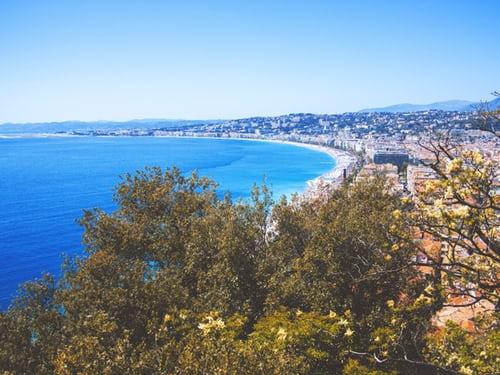
A Comprehensive Travel Guide: The French Riviera Loop – Nice, Monaco, Èze, Cannes
Embarking on a journey along the French Riviera is to step into a world where the Mediterranean Sea meets rugged alpine foothills, creating a landscape of breathtaking beauty. The loop from Nice to Monaco, Èze, Cannes, and back to Nice encapsulates the very essence of this glamorous coastline. This guide provides a detailed, objective account of the travel experience, covering key attractions, culinary delights, transportation logistics, and cultural insights to help you navigate this stunning region.
Nice: The Vibrant Capital of the Riviera
Nice serves as the perfect hub for exploring the Côte d’Azur. It’s a city that balances urban energy with seaside relaxation, characterized by its iconic azure waters, Italianate architecture, and vibrant old town.
Attractions & Experiences
Promenade des Anglais: The world-famous seafront promenade is the heart of Nice. A walk or cycle along this expansive stretch offers unparalleled views of the Baie des Anges (Bay of Angels). It’s a living spectacle of joggers, rollerbladers, and tourists soaking in the sun.
Vieux Nice (Old Town): A labyrinth of narrow, winding streets filled with bustling markets, charming boutiques, and baroque churches. The sensory overload of sounds, smells, and colors is quintessentially Niçois.
Marché aux Fleurs (Cours Saleya): Located in the old town, this daily market is a feast for the senses. From Monday to Saturday, it overflows with fresh flowers, Provençal herbs, fruits, and vegetables. On Mondays, it transforms into an antiques market.
Colline du Château (Castle Hill): While the castle is long gone, the park atop this hill offers the most panoramic views of Nice’s red-tiled roofs, the sparkling bay, and the port. It’s a steep but rewarding climb, or you can take a free elevator from near the Tour Bellanda.
Musée Matisse & Musée Marc Chagall: For art lovers, Nice is a treasure trove. These two museums house world-class collections dedicated to the masters who were deeply inspired by the Riviera light.
Food & Drink
Socca: A must-try local specialty, socca is a thin, savory pancake made from chickpea flour, baked in a wood-fired oven, and seasoned with pepper. Find it at small stalls in the old town, like Chez René Socca.
Salade Niçoise: The authentic version is a simple masterpiece of fresh tomatoes, hard-boiled eggs, Niçoise olives, anchovies, and tuna, dressed with olive oil.
Pissaladière: A delicious onion tart topped with anchovies and olives, similar to a pizza.
Rosé Wine: Enjoy a glass of local Provençal rosé at a sidewalk café on Cours Saleya while people-watching.
Transportation & Local Tips
Getting Around: Nice is very walkable. The tram system is efficient for longer distances (e.g., from the main station to the port).
Base City: Its central location and excellent transport links make Nice the ideal base for your Riviera explorations.
Beach Note: Most beaches in Nice are covered with smooth pebbles, not sand. Water shoes are highly recommended for comfort.
Monaco: The Glittering Principality
A short journey from Nice brings you to Monaco, a sovereign city-state synonymous with luxury, Grand Prix racing, and royal glamour. The contrast with bohemian Nice is immediate and striking.
Attractions & Experiences
Le Rocher (The Rock): The old town of Monaco-Ville is a medieval quarter perched on a cliff. Here you’ll find the Palais Princier (Prince’s Palace). Time your visit for the changing of the guard ceremony at 11:55 AM.
Cathedral of Our Lady Immaculate: This Romanesque-Byzantine cathedral is the final resting place of many Princes of Monaco, including Grace Kelly.
Monte Carlo: Synonymous with high-stakes gambling and opulence. The Casino de Monte-Carlo is an architectural marvel. Note the strict dress code (no shorts or flip-flops) in the evening and an entry fee for the gaming rooms.
Jardins Exotiques (Exotic Gardens): Home to thousands of succulent plants and offering stunning views over the principality. The ticket also includes access to the prehistoric cave, Grotte de l’Observatoire.
Larvotto Beach: Monaco’s public beach is a man-made marvel of imported sand, offering a pleasant spot for a swim with a view of the cityscape.
Food & Drink
Barbagiuan: A Monégasque national dish – deep-fried pastries stuffed with Swiss chard, ricotta, and rice.
Fine Dining: Monaco boasts more Michelin stars per square mile than anywhere else in the world. For a taste of this luxury without breaking the bank, seek out set lunch menus.
Café de Paris: A legendary spot opposite the casino for a coffee or cocktail while watching the parade of supercars and well-heeled visitors.
Transportation & Local Tips
Getting In: The train from Nice to Monaco-Monte Carlo is scenic, cheap (around €4), and takes about 20 minutes.
Getting Around Monaco: The principality is small but very hilly. Public elevators and escalators are strategically placed to help you navigate the steep cliffs for free.
The Grand Prix: If you’re not visiting during race weekend (usually late May), you can still walk parts of the famous circuit traced on the streets.
Èze: The Medieval Eagle’s Nest
Situated on a sheer cliffside between Nice and Monaco, the village of Èze is a perfectly preserved medieval gem. Its labyrinthine streets, vaulted passages, and stone houses feel like a step back in time.
Attractions & Experiences
Èze Village: The primary activity is simply getting lost in the village itself. Follow the winding cobblestone paths upward, discovering art galleries, artisan workshops, and charming hidden squares.
Jardin Exotique d’Èze: At the very summit of the village, perched on the ruins of a medieval castle, lies this exceptional cactus garden. The 360-degree panoramic view of the coastline from here is arguably the best on the entire Riviera.
Nietzsche Path (Chemin de Nietzsche): A steep hiking trail connecting the lower coast (Èze-sur-Mer) to the village. It’s said the philosopher Friedrich Nietzsche walked this path frequently while writing parts of “Thus Spoke Zarathustra.”
Fragonard Perfumery: Located at the base of the village, this factory offers free tours explaining the ancient art of perfume making in the Grasse region. It’s a fascinating and fragrant experience.
Food & Drink
Le Chèvre d’Or: For an unforgettable (and expensive) gastronomic experience, this two-Michelin-starred restaurant is world-renowned. For a more accessible taste, have a drink at its terrace bar.
The Bus is Best: The #82 bus from Nice or Monaco drops you right at the foot of Èze village. The train station (Èze-sur-Mer) is on the coast, requiring a very steep hike or a taxi up to the village.
Crowd Management: Èze is extremely popular with tour groups. Visit early in the morning or later in the afternoon to experience its magic in relative peace.
Wear Good Shoes: The village is all steep, uneven stone steps. High heels are highly impractical.
Famous worldwide for its international film festival, Cannes exudes an air of polished sophistication. While known for its luxury shopping and star-studded events, it also boasts a beautiful sandy beach and a charming old town. La Croisette: This iconic seafront boulevard is Cannes’ answer to the Promenade des Anglais. Lined with palm trees, designer boutiques (Dior, Chanel), and grand hotels like the Carlton, it’s the perfect place for a stroll.
Palais des Festivals et des Congrès: The home of the Cannes Film Festival. You can walk up the famous red-carpeted steps (outside of festival time) and see handprints of stars at the Allée des Étoiles du Cinéma nearby.
Le Suquet: The historic old town of Cannes, perched on a hill overlooking the bay. Its cobbled streets, charming restaurants, and the 12th-century Tour du Mont-Chevalier offer a quieter, more authentic contrast to La Croisette.
Île Sainte-Marguerite: A short 15-minute ferry ride from Cannes, this island is home to a mysterious fortress prison where the “Man in the Iron Mask” was held. It’s mostly a beautiful natural reserve with eucalyptus and pine forests, perfect for hiking and swimming.
Marché Forville: A vibrant covered market near Le Suquet, selling fresh produce, cheese, meat, and fish. It’s a great spot to experience local life.
Seafood Platters: Given its location, Cannes is an excellent place to indulge in a fruits de mer platter—a towering display of oysters, clams, shrimp, crab, and sea snails.
Provençal Cuisine: Restaurants in Le Suquet often serve robust Provençal dishes like daube (beef stew), ratatouille, and stuffed vegetables.
Café Culture on Rue Meynadier: This pedestrian street connecting the old port to Le Suquet is filled with more affordable bistros and caferies frequented by locals.
Getting There: The train from Nice to Cannes is direct and takes about 25-30 minutes.
Public vs. Private Beaches: La Croisette is lined with both public beaches (free) and private beach clubs (paying), which offer sun loungers, umbrellas, and food service.
The Red Carpet Illusion:The famous red carpet on the steps of the Palais des Festivals is only rolled out for major events. At other times, it’s just a functional building you can walk around.
The beauty of this itinerary is its flexibility. You can explore each location as a day trip from Nice or combine them into a multi-stop journey. Day 1: Arrive and explore Nice. Focus on Promenade des Anglais and Vieux Nice.
Day 2: Morning in Èze. Take an early bus (#82) from Nice. Explore the village and Jardin Exotique. In the afternoon, take the bus from Èze to Monaco. Spend the evening in Monaco before taking the train back to Nice.
Day 3: Day trip to Cannes by train. Stroll La Croisette, explore Le Suquet, and perhaps take a ferry to Île Sainte-Marguerite.
Day 4: Deeper exploration of Nice: Castle Hill, museums like Matisse or Chagall, and relaxing on the beach.
Day 1: Morning in Èze (bus from Nice), afternoon in Monaco (bus from Èze), evening train back to Nice.
Day 2: Day trip to Cannes by train.
The regional TER train that connects these towns is one of Europe’s most scenic rail journeys. It clings to the coastline for much of the route, offering stunning views of cliffs plunging into turquoise water. It is often more reliable and faster than bus travel for direct point-to-point trips (e.g., Nice to Monaco or Nice to Cannes). For flexibility, consider a day pass or a multi-journey carnet (booklet of tickets). The Côte d’Azur has a unique cultural blend. Its history is deeply influenced by Italy (Nice was part of the Kingdom of Sardinia until 1860), which is evident in its food and architecture. There’s a palpable contrast between the laid-back “dolce vita” atmosphere of its public squares and beaches and the intense glamour and wealth displayed in places like Monte Carlo and La Croisette. The light has attracted artists for centuries, leaving a rich artistic legacy. Embrace the slower pace of life—meals are to be savored, and an afternoon spent people-watching at a café is time well spent. The Best Time to Visit: May-June and September-October offer ideal weather—warm and sunny but without the intense heat and crowds of July and August.
The Language: While English is widely spoken in tourist areas, learning a few basic French phrases (Bonjour, Merci, S’il vous plaît) is greatly appreciated and will enhance your interactions.
Taxis & Ride-Sharing: Taxis are expensive. Uber operates in Nice and Cannes but is highly restricted in Monaco.
Savour the Moments: Don’t try to rush. The true magic of the Riviera often lies in unplanned discoveries—a hidden cove, a perfect sunset from a village square, or a conversation with a local market vendor.
Transportation & Local Tips
Cannes: The City of Cinema and Glamour
Attractions & Experiences
Food & Drink
Transportation & Local Tips
The Complete Loop: Practical Itinerary & Transportation
The Grand Tour (4-5 Days)
The Express Loop (2-3 Days)
The Coastal Train: A Highlight in Itself
A Note on Riviera Culture
A Final Word: Practical Travel Tips