A Grand Tour of Britain: London to the Scottish Highlands and Back
This comprehensive travel guide outlines an epic journey through the heart of England and Scotland, capturing the vibrant energy of major cities, the serene beauty of the Lake District, the mystical allure of the Scottish Highlands, and the rich historical tapestry of ancient towns. This itinerary is designed for travelers seeking a deep and varied experience of Britain’s culture, history, and landscapes.
1. London: The Capital’s Grandeur
London, a global metropolis steeped in history, is the ideal starting point for any British adventure. It is a city where ancient traditions coexist with cutting-edge culture.
Top Attractions
The British Museum: Home to a vast collection of world art and artifacts, including the Rosetta Stone and the Parthenon Marbles. Admission is free.
The Tower of London: Explore this historic castle on the banks of the River Thames. See the Crown Jewels and learn about the fortress’s grim history as a prison. Be sure to join a tour led by a Yeoman Warder (Beefeater).
Buckingham Palace: Witness the iconic Changing of the Guard ceremony and, during the summer months, tour the State Rooms of the monarch’s official residence.
Houses of Parliament & Big Ben: The stunning Gothic revival architecture of the Palace of Westminster is a must-see. Note that “Big Ben” refers to the Great Bell inside the Elizabeth Tower.
The West End: Catch a world-class theatre performance in London’s equivalent of Broadway.
Food & Drink
London’s food scene is incredibly diverse. Beyond classic fish and chips at a traditional pub, visitors should explore Borough Market for gourmet street food, enjoy a classic afternoon tea at a luxury hotel like The Ritz or a more quaint establishment, and sample cuisine from every corner of the globe in neighborhoods like Soho and Brick Lane.
Transportation
London’s Underground (“the Tube”) is the most efficient way to navigate the city. Visitors are advised to get an Oyster card or use contactless payment for the best fares. Black cabs are iconic but expensive; ride-sharing apps are also widely available.
Accommodation Tips
Stay in central zones (1-2) for easy access to major sights. Neighborhoods like Covent Garden, South Bank, and Kensington offer a range of options from luxury hotels to boutique B&Bs. Book well in advance, especially during peak season.
2. Birmingham: The Industrial Powerhouse Reimagined
Traveling northwest from London (approximately 1.5 hours by train), Birmingham is a city that has successfully transformed itself from an industrial heartland into a vibrant, modern hub of culture and commerce.
Top Attractions
Birmingham Museum & Art Gallery: Houses an outstanding collection of Pre-Raphaelite paintings.
The Bullring & Grand Central: A shopper’s paradise, featuring over 200 stores anchored by the iconic Selfridges building.
The Jewellery Quarter: A historic area with over 100 jewellery shops and workshops. Visitors can tour the Museum of the Jewellery Quarter to see a preserved factory.
Cadbury World: Located in the suburb of Bournville, this interactive exhibition delves into the history and magic of chocolate.
Food & Drink
Birmingham is famed for its Balti triangle, an area in Sparkbrook known for its authentic and affordable Balti curry houses. The city also boasts several Michelin-starred restaurants, showcasing its culinary prestige.
Transportation
Birmingham’s city center is very walkable. A compact network of buses and trams connects key areas. New Street Station is a major national rail hub.
Cultural Insight
Birmingham’s identity is built on its industrial heritage, particularly in manufacturing and engineering. Today, it is one of the UK’s most culturally diverse cities, which is richly reflected in its food, festivals, and communities.
3. Manchester: A City of Innovation and Culture
A short train ride north from Birmingham (about 1.5 hours), Manchester is a city known for its music scene, sporting pedigree, and industrial legacy.
Top Attractions
The John Rylands Library: A stunning neo-Gothic library that feels like a cross between a cathedral and Hogwarts.
Science and Industry Museum (MSI): Housed in the world’s oldest surviving passenger railway station, it explores Manchester’s role in the Industrial Revolution.
Old Trafford and Etihad Stadium: Take a tour of the homes of Manchester United or Manchester City, a pilgrimage for football fans.
Northern Quarter: The creative heart of the city, filled with independent boutiques, record stores, vintage shops, and vibrant street art.
Food & Drink
Manchester’s food scene is robust. The Mackie Mayor food hall offers a variety of vendors in a beautiful restored market building. The city also has a thriving pub culture, with many historic establishments serving real ale.
Transportation
Manchester is easily navigated on foot or by its extensive bus and tram network (Metrolink). Piccadilly Station is the main railway hub.
4. The Lake District (Windermere): Poetic Landscapes
A journey north from Manchester (around 1.5-2 hours by train or car) leads to the breathtaking Lake District National Park. Windermere town is the most popular gateway to England’s largest natural lake, Lake Windermere.
Top Attractions
Lake Windermere: Take a scenic cruise on the lake, hire a rowboat, or simply enjoy the views from the shore at Bowness-on-Windermere.
World of Beatrix Potter: A charming attraction in Bowness that brings the author’s beloved characters like Peter Rabbit to life.
Hiking: Embark on walks for all abilities, from gentle lakeside strolls to challenging climbs up peaks like Old Man of Coniston or Helvellyn.
Hill Top: Visit the 17th-century farmhouse home of Beatrix Potter, which remains as it was when she lived there.
Food & Drink
Enjoy traditional pub fare like Cumberland sausage or Herdwick lamb by a roaring fire. Afternoon tea is also a popular treat in many country houses and hotels. Don’t forget to try sticky toffee pudding, a dessert that originated in the region.
Accommodation Tips
The area is famous for its cozy Bed and Breakfasts (B&Bs), country inns, and self-catering cottages. Booking is essential during school holidays and the summer months.
5. The Scottish Highlands & Loch Ness: Myth and Majesty
Crossing from England into Scotland, the landscape transforms into the wild, dramatic scenery of the Highlands. This part of the journey is best experienced by joining a guided tour or hiring a car, as public transport becomes less frequent.
The Journey North
The route from the Lake District into the Scottish Highlands passes through stunning scenery like Glencoe, a majestic and often moody valley steeped in history.
Loch Ness
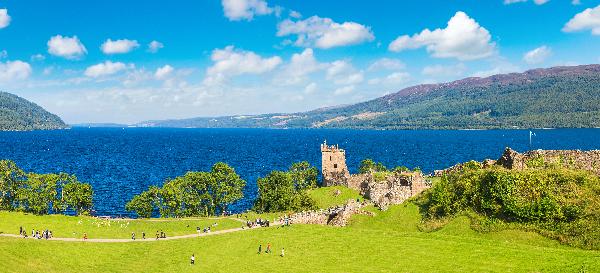
Famous the world over for its legendary monster, Nessie, Loch Ness is a long, deep, and mysterious freshwater loch.
Urquhart Castle: The picturesque ruins of this historic castle on the banks of Loch Ness offer fantastic photo opportunities and visitor exhibits.
Loch Ness Cruises: Depart from various points like Inverness or Drumnadrochit for a chance to explore the loch and learn about its history and legend.
The Loch Ness Centre & Exhibition: Presents the story of the loch and the famous monster hunt in a scientific and engaging way.
Cultural Insight
The Scottish Highlands are the heartland of Gaelic culture and Clan history. The landscape is defined by deep glens, rugged mountains (munros), and countless lochs. The spirit of Scotland’s turbulent past is palpable here.
6. A Scottish Highland Town: Gateway to Local Life
Staying in a smaller Scottish town, such as Pitlochry, Aviemore, or Fort William, provides an authentic Highland experience.
Local Experiences
Whisky Tasting: Visit a local distillery (e.g., Dalwhinnie, Edradour) to learn about and sample Scotland’s national drink.
Cairngorms National Park: If staying near Aviemore, explore this vast national park for hiking, wildlife spotting (including red deer and capercaillie), and outdoor activities.
Local Pubs: Spend an evening in a traditional pub, where you might hear live folk music and engage with friendly locals.
7. Edinburgh: The Athens of the North
Traveling south from the Highlands (a 3-4 hour drive or train ride from Inverness), Scotland’s capital city awaits. Edinburgh is a city of stunning architecture, profound history, and vibrant cultural energy.
Top Attractions
Edinburgh Castle: Dominating the city skyline from its perch on Castle Rock, this fortress houses the Crown Jewels of Scotland, the Stone of Destiny, and the National War Museum.
The Royal Mile: The historic street connecting Edinburgh Castle to the Palace of Holyroodhouse. It’s lined with shops, pubs, restaurants, and closes (narrow alleyways) begging to be explored.
Palace of Holyroodhouse: The King’s official residence in Scotland, located at the end of the Royal Mile. Tours include the historic apartments of Mary, Queen of Scots.
Arthur’s Seat: An ancient volcano in Holyrood Park offering a rewarding hike and panoramic views over the city.
National Museum of Scotland: A fantastic museum with exhibits covering Scottish history, natural world, science, and technology. Admission is free.
Food & Drink
Sample traditional Scottish fare such as haggis, neeps, and tatties (often served with a whisky sauce). For a true Edinburgh experience, have a drink in a historic pub in the Old Town or enjoy modern Scottish cuisine in the trendy New Town. Don’t miss trying Scotch whisky from one of the many dedicated bars.
Accommodation Tips
The Old Town offers historic charm and proximity to major sights, while the New Town provides Georgian elegance. Book many months in advance if visiting during the August Edinburgh Festival Fringe, when the city’s population doubles.
8. Alnwick: A Touch of Magic in Northumberland
Heading back into England towards York, a stop at Alnwick (pronounced “An-nick”) is highly recommended. This market town in Northumberland is home to one of Britain’s most magnificent castles.
Top Attractions
Alnwick Castle: The second-largest inhabited castle in England after Windsor. It has served as a stand-in for Hogwarts in the Harry Potter films. Visitors can take broomstick training lessons on the very grounds where Harry first learned to fly.
The Alnwick Garden: A spectacular contemporary garden adjacent to the castle, featuring a magnificent Grand Cascade water feature, a serene bamboo labyrinth, and a deadly poison garden.
9. York: A Journey Through Medieval England
A short journey south from Alnwick (about 1.5 hours by car/train), York is a beautifully preserved medieval city with a rich Roman and Viking history.
Top Attractions
York Minster: One of the world’s most magnificent cathedrals. Climb the Central Tower for incredible views or explore the underground chambers to see Roman ruins.
The Shambles: A crooked, overhanging medieval street, often cited as one of Europe’s best-preserved. It’s said to have inspired Diagon Alley from Harry Potter and is now lined with quirky shops.
York City Walls: Walk along these extensive and well-preserved medieval walls for a unique perspective on the city.
Jorvik Viking Centre: An award-winning attraction built on the site of a major Viking-age archaeological dig, offering a time-capsule ride through a reconstructed Viking street.
National Railway Museum:A free museum housing a world-class collection of historic trains, including royal carriages and Japanese Bullet trains.