A Grand Tour of Britain: From London to the Scottish Highlands and Back
This comprehensive travel guide outlines an epic journey through England and Scotland, covering iconic cities, breathtaking natural landscapes, and charming cultural gems. The itinerary connects major hubs with efficient transportation, offering a rich tapestry of British history, culture, and scenery.
Part 1: London – The Capital Commencement
London, a global metropolis steeped in history, is the ideal starting point for any British adventure. It offers an unparalleled mix of royal heritage, world-class museums, and cutting-edge culture.
Key Attractions
The British Museum: Home to a vast collection of world art and artifacts, including the Rosetta Stone and the Parthenon Marbles. Admission is free.
The Tower of London: Discover a thousand years of history, see the Crown Jewels, and meet the legendary Beefeaters and ravens.
Buckingham Palace: The official London residence of the monarch. Don’t miss the Changing of the Guard ceremony.
Houses of Parliament & Big Ben: The iconic symbol of London, best viewed from the opposite bank of the River Thames.
The West End: Catch a world-class theatre production in this vibrant entertainment district.
Food & Drink
London’s food scene is incredibly diverse. Beyond traditional pubs serving pies and fish & chips, explore Borough Market for gourmet street food, enjoy a classic afternoon tea at a luxury hotel, or sample cuisine from every corner of the globe in neighborhoods like Soho and Brick Lane.
Transportation & Accommodation
London is served by several major airports (Heathrow, Gatwick, Stansted). The city’s extensive Underground “Tube” network is the most efficient way to get around. Consider purchasing an Oyster card or using contactless payment for travel. For accommodation, central areas like Westminster, South Bank, and Covent Garden are convenient but pricey. More budget-friendly options can be found in zones 2 and 3, with good Tube connections.
Part 2: Oxford & Birmingham – Academia and Industry
Oxford
A short train ride from London (approx. 1 hour) brings you to the “City of Dreaming Spires.” Oxford is synonymous with its prestigious university, a collection of stunning historic colleges.
Attractions: Tour Christ Church College (a Harry Potter filming location), visit the Bodleian Library, climb the University Church of St Mary the Virgin for panoramic views, and explore the Ashmolean Museum.
Transport: Trains run frequently from London Paddington and London Marylebone. The city center is easily walkable.
Birmingham
From Oxford, travel to Birmingham (approx. 1-1.5 hours by train), England’s second city, known for its industrial heritage and vibrant regeneration.
Attractions: Visit the Birmingham Museum & Art Gallery, explore the canals of Brindleyplace, and learn about the city’s history at the Birmingham Back to Backs (National Trust).
Food: The Balti Triangle is famous for its authentic Balti curries, a dish created in the city. The Jewellery Quarter also boasts excellent independent cafes and restaurants.
Cultural Insight: Birmingham is a culturally diverse and creative hub, with a strong musical heritage spanning from heavy metal to modern symphony.
Part 3: Manchester & The Lake District – Culture and Nature
Manchester
Heading north from Birmingham (approx. 1.5 hours by train), you arrive in Manchester, a city renowned for its music scene, football clubs, and industrial legacy.
Attractions: Take a tour of Old Trafford (Manchester United) or the Etihad Stadium (Manchester City). Explore the Science and Industry Museum, and discover the city’s radical history at the People’s History Museum.
Food & Drink: The Northern Quarter is packed with trendy bars, international eateries, and classic pubs.
The Lake District National Park
A train or bus from Manchester (approx. 2 hours) transports you to the stunning Lake District, a UNESCO World Heritage Site of dramatic mountains, serene lakes, and literary history.
Attractions: Take a cruise on Lake Windermere, hike up Catbells for spectacular views of Derwentwater, or visit Dove Cottage, the home of William Wordsworth.
Peter Rabbit World (The World of Beatrix Potter Attraction): Located in Bowness-on-Windermere, this charming attraction brings the beloved tales to life. It’s a must-visit for families and fans.
Accommodation: Stay in a cozy bed and breakfast in towns like Ambleside, Keswick, or Windermere. For a unique experience, consider a traditional inn or a lakeside hotel.
Part 4: The Scottish Sojourn – Highlands, Lochs & Cities
Journey to Scotland
From the Lake District, travel north to Glasgow or Edinburgh (by train or coach, approx. 3-4 hours) to begin the Scottish leg of the journey. Many tours to the Highlands depart from these cities.
The Scottish Highlands
The Scottish Highlands offer some of Europe’s most wild and dramatic scenery. The best way to explore is by joining a multi-day guided tour or by self-driving.
Glencoe: A hauntingly beautiful valley steeped in history and offering superb hiking opportunities.
Fort William: Situated at the foot of Ben Nevis, the UK’s highest mountain, this town is an outdoor adventure hub.
Loch Ness: Famous for its mythical monster, “Nessie.” Visitors can take boat cruises on the loch and explore the ruins of Urquhart Castle.
Cultural Insight: The Highland landscape is deeply tied to Scottish Gaelic culture and the turbulent history of the clans. Listen for the sound of bagpipes and look for tartan patterns in local shops.
Accommodation: Options range from hotels in Fort William to guesthouses in smaller villages like Portree on the Isle of Skye (a common addition to Highland tours).
Edinburgh
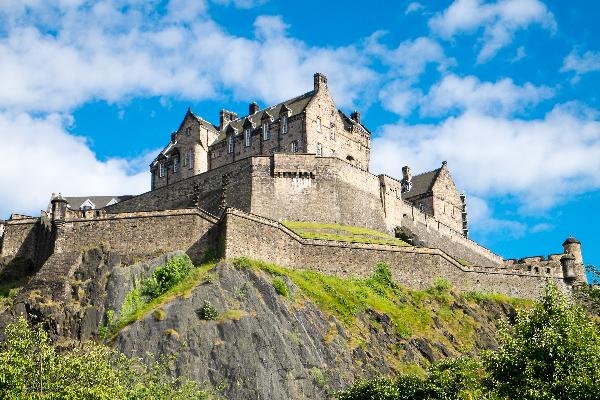
The journey south leads to Scotland’s majestic capital, Edinburgh. The city’s skyline, dominated by its ancient castle, is unforgettable.
Attractions: Edinburgh Castle, the Royal Mile, Holyrood Palace, and Arthur’s Seat (an extinct volcano offering a fantastic city hike). In August, the city hosts the world-famous Edinburgh Festival Fringe.
Food & Drink: Try haggis, neeps and tatties (a national dish), enjoy a wee dram of Scotch whisky in a traditional pub, or indulge in fine dining.
Transport & Accommodation: Edinburgh is very walkable, but hills are steep. The Old Town offers historic charm, while the New Town provides Georgian elegance. Book well in advance during festival season.
Part 5: The Return South – York & Cambridge
York
Traveling south from Edinburgh (approx. 2.5 hours by train), you arrive in the historic walled city of York, a treasure trove of Roman and Viking history.
Attractions: Walk the magnificent medieval York Minster, explore the cobbled streets of The Shambles, and walk along the ancient city walls. The Jorvik Viking Centre is a popular family attraction.
Food: York is famous for its chocolate heritage and traditional afternoon teas.
The Final Leg: Manchester & Birmingham (Transit)
The route back to London may pass back through Manchester and Birmingham, which can be used as convenient transit hubs. If time allows, this offers a chance to explore anything missed on the first visit or to simply break up the journey.
Cambridge
Before returning to London, a stop in Cambridge (accessible from Birmingham or directly from York with a change) provides another dose of academic splendour.
Attractions: Punting on the River Cam is essential for views of the “Backs” of the colleges. Tour King’s College Chapel, wander through the historic college quads, and visit the Fitzwilliam Museum.
Transport: Trains from Cambridge to London take less than an hour, making it an easy final stop.
Part 6: Practical Travel Information
Transportation Overview
Train: The most scenic and convenient way to travel between cities. Book tickets in advance on sites like National Rail or Trainline for significant savings on “Advance” fares.
Coatl/Bus: Companies like National Express and Megabus offer cheaper, though slower, alternatives to trains.
Car Rental: Provides maximum flexibility, especially for exploring rural areas like the Lake District and Scottish Highlands. Remember that in the UK, you drive on the left.
Internal Flights: Useful for covering long distances quickly (e.g., from London to Edinburgh), but less scenic and environmentally friendly than rail travel.
Accommodation Tips
- Book accommodation well in advance, especially during peak season (June-August) and in popular destinations like Edinburgh during the Festival.
- Consider a mix of hotel chains, independent hotels, guesthouses, and bed and breakfasts (B&Bs) for varied experiences.
- For longer stays in cities, serviced apartments can offer good value.
Cultural Insights & Etiquette
- Tipping is customary in restaurants (10-15% if service is not included) and for taxi drivers, but not expected in pubs.
- The weather is famously changeable; packing layers and a waterproof jacket is essential regardless of the season.
- When visiting churches, cathedrals, and other places of worship, dress respectfully.
- Politeness is highly valued; “please,” “thank you,” and “sorry” are used frequently.
This grand tour offers a deep and rewarding immersion into the diverse character of Britain, from its bustling urban centers to its most remote and beautiful landscapes.