Barcelona Travel Guide: The Enchanting Capital of Catalonia
Barcelona, the vibrant capital of Spain’s Catalonia region, is a city that seamlessly blends medieval history with groundbreaking modernism. Nestled between the Serra de Collserola mountains and the Mediterranean Sea, it offers a rich tapestry of architectural marvels, world-class cuisine, bustling markets, and sun-kissed beaches. This guide provides a comprehensive overview for travelers seeking to explore its many wonders.
Introduction to Barcelona
Barcelona is a city of contrasts, where the narrow, winding streets of the Gothic Quarter open up to the wide, grid-patterned avenues of the Eixample district. It is a cultural powerhouse, famous for the unique architecture of Antoni Gaudí, a thriving arts scene, and a distinct Catalan identity. The city’s energy is palpable, from the lively tapas bars to the serene parks overlooking the city.
Top Attractions and Must-See Sights
Barcelona’s attractions are diverse, ranging from UNESCO World Heritage Sites to vibrant public spaces. Planning an itinerary is key to experiencing the best the city has to offer.
La Sagrada Família
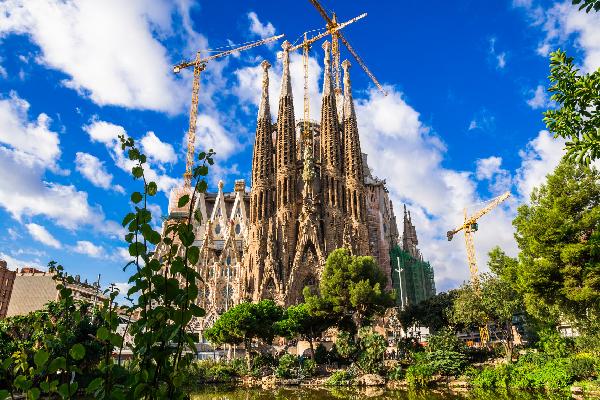
The Basilica de la Sagrada Família is Antoni Gaudí’s unfinished masterpiece and the iconic symbol of Barcelona. Construction began in 1882 and continues to this day. Visitors are awestruck by its immense scale and intricate facades depicting the Nativity, Passion, and Glory of Christ. The interior is a forest of tree-like columns that support a canopy flooding the space with ethereal light through stained-glass windows.
Tip: Booking tickets online well in advance is essential to avoid long queues and secure a preferred time slot.
Park Güell
Another of Gaudí’s fantastical creations, Park Güell is a public park system composed of gardens and architectural elements located on Carmel Hill. It offers panoramic views of the city and the sea. The highlight is the monumental zone, featuring the famous mosaic salamander (El Drac), the serpentine bench, and the Hypostyle Room with its 86 Doric columns. Like the Sagrada Família, it is crucial to
purchase tickets online beforehand for the monumental zone.
Gothic Quarter (Barri Gòtic)
The heart of old Barcelona, the Gothic Quarter, is a labyrinth of narrow medieval streets, hidden plazas, and historic buildings. Key sites include the Barcelona Cathedral, the ancient Roman walls, the Plaça del Rei, and the Pont del Bisbe (Bishop’s Bridge). Getting lost in its alleys is one of the quintessential Barcelona experiences.
La Rambla
This famous tree-lined pedestrian street stretches for 1.2 kilometers connecting Plaça de Catalunya with the Christopher Columbus Monument at Port Vell. It is always buzzing with street performers, newsstands, flower stalls, and outdoor cafes. While it’s a must-see, visitors should be vigilant for pickpockets in the crowded areas. Just off La Rambla is the vibrant Boqueria Market (Mercat de la Boqueria), a feast for the senses with its colorful displays of fresh produce, meats, and local delicacies.
Casa Batlló & Casa Milà (La Pedrera)
Located on the prestigious Passeig de Gràcia in the Eixample district, these are two more of Gaudí’s revolutionary residential buildings. Casa Batlló, with its skeletal organic facade, is also known as the “House of Bones.” Casa Milà, nicknamed “La Pedrera” (The Stone Quarry), is renowned for its wavy stone facade and unique wrought-iron balconies. Visiting the roof terraces of both buildings provides a unique perspective on Gaudí’s genius.
Magic Fountain of Montjuïc
Located at the base of the Montjuïc hill, near the Plaça d’Espanya, the Magic Fountain offers a spectacular display of light, music, and water acrobatics. The shows are free to attend and are a popular evening activity. It is advisable to check the official schedule for showtimes before visiting, as they vary by season.
Camp Nou
For football fans, a pilgrimage to Camp Nou, the home stadium of FC Barcelona, is a must. The stadium tour includes access to the museum, the players’ tunnel, the commentary boxes, and the pitchside benches, offering an immersive look into one of the world’s most famous football clubs.
Culinary Delights: What and Where to Eat
Catalan cuisine is a highlight of any trip to Barcelona, characterized by its freshness, Mediterranean influences, and bold flavors.
Must-Try Foods
Tapas and Pintxos: Small savory dishes perfect for sharing. Classics include patatas bravas (fried potatoes with spicy sauce), jamón ibérico (cured ham), gambas al ajillo (garlic shrimp), and pimientos de padrón (blistered green peppers).
Paella: While originally from Valencia, paella is widely enjoyed in Barcelona. Seek out authentic restaurants that serve it for lunch (the traditional time) and allow for a longer cooking time.
Seafood: Being a coastal city, Barcelona excels at seafood. Try suquet de peix (a Catalan fish stew) or grilled fish at a beachfront xiringuito (beach bar).
Escalivada: A traditional dish of smoky grilled vegetables (aubergines, peppers, onions) drizzled with olive oil.
Crema Catalana: The local version of crème brûlée, with a creamy custard base and a crisp caramelized sugar top.
Recommended Dining Areas
El Born / La Ribera: This trendy neighborhood is packed with excellent tapas bars, innovative restaurants, and charming wine bars tucked away in its medieval streets.
Gràcia: A formerly independent village absorbed by the city, Gràcia has a bohemian, local vibe with countless authentic and affordable Catalan restaurants and lively plazas.
Barceloneta: The traditional fishing neighborhood is the go-to place for classic seafood restaurants and casual beach bars.
Mercat de la Boqueria: For a quick and diverse culinary experience, grab a seat at one of the market’s tapas bars for incredibly fresh seafood and local dishes.
Getting Around: Transportation Guide
Barcelona has an efficient and extensive public transportation system that makes navigating the city straightforward.
From the Airport
Barcelona-El Prat Airport (BCN) is located about 12 km southwest of the city center.
Aerobús: A dedicated shuttle service that runs frequently between the airport and Plaça de Catalunya. It is often the fastest and most convenient option for city center destinations.
RENFE Train: The R2 Nord line connects Terminal 2 with several central stations like Passeig de Gràcia and Barcelona Sants. A free shuttle bus connects Terminal 1 to the train station.
Metro: L9 Sud metro line connects both terminals to the metro network, though it requires a separate airport metro ticket.
Taxi: A fixed fare operates between the airport and central Barcelona, making it a stress-free option for groups or those with heavy luggage.
Public Transport Within the City
Metro: The backbone of Barcelona’s transport, with 12 lines covering almost every part of the city. It is fast, reliable, and runs from 5:00 AM until midnight (until 2:00 AM on Fridays and all night on Saturday).
Buses: Complement the metro network and are useful for routes not served by the underground. Night buses (Nitbus) operate after the metro closes.
Trams & FGC Trains: The tram system serves peripheral areas, while the FGC (Ferrocarrils de la Generalitat de Catalunya) trains connect the city with suburbs and some metro-style routes within the city.
Tickets: The integrated T-casual ticket (formerly T-10) is a cost-effective choice for most tourists, offering 10 journeys on metro, buses, trams, and FGC trains within Zone 1. For longer stays, consider the Hola BCN! travel card for unlimited travel over 2 to 5 days.
Other Modes of Transport
Walking: The city center is very walkable, and exploring on foot is the best way to discover hidden gems.
Biking: Barcelona has an expanding network of bike lanes and a public bike-sharing system called Bicing (primarily for residents, but tourist options are available).
Taxis: Readily available and reasonably priced compared to other major European cities.
Accommodation Tips: Where to Stay
Choosing the right neighborhood is crucial for matching your travel style.
Recommended Neighborhoods
Gothic Quarter & El Born: Ideal for history lovers who want to be in the heart of the old city, surrounded by ancient streets, boutique shops, and nightlife. Can be noisy at night.
Eixample: Perfect for those seeking a more modern, upscale experience with excellent shopping (Passeig de Gràcia), fine dining, and easy access to many modernist landmarks. It’s a safe, clean neighborhood with a grid layout.
Gràcia: Offers a village-like atmosphere with bohemian charm, full of independent boutiques, cozy squares with terrace bars, and a more local feel. Well-connected by metro.
Barceloneta & Port Olímpic: Best for travelers who want to be near the beach. Offers a mix of seafood restaurants, beach clubs, and hotels with sea views. Can be very touristy and noisy.
El Raval: A multicultural and edgy neighborhood undergoing significant regeneration. Home to the MACBA contemporary art museum and a vibrant, alternative nightlife scene. Exercise caution in certain parts at night.
Cultural Insights and Etiquette
Understanding local customs will enrich your visit and help you connect with the city on a deeper level.
Language
Barcelona is a bilingual city. Both Catalan and Spanish are official languages. Street signs and public information are primarily in Catalan. While many people in the tourism industry speak English, learning a few basic phrases in Catalan or Spanish is appreciated.
Hello: Hola (Catalan/Spanish)
Thank you: Gràcies (Catalan) / Gracias (Spanish)
Please: Si us plau (Catalan) / Por favor (Spanish)
The Catalan Identity
The people of Barcelona are fiercely proud of their Catalan heritage, which has its own distinct language, culture, and traditions. It is important to be respectful of this identity. Political expressions regarding Catalan independence are common in the form of flags (
estelades) hung from balconies.
Daily Schedules
Barcelona operates on a later timetable than many other European cities.
Lunch: Typically from 1:30 PM to 4:00 PM.
Dinner: Rarely before 8:30 PM, with many restaurants filling up around 9:30 PM or 10:00 PM.
Siesta: While less common in a bustling city like Barcelona, some smaller shops may still close for a few hours in the afternoon (approximately 2:00 PM – 5:00 PM).
Tipping
Tipping is not as customary or expected as in countries like the United States. In restaurants, it is common to leave small change or round up the bill for good service. Leaving 5-10% is considered generous for exceptional service.
Shopping Guide
Shopping in Barcelona ranges from international luxury brands to unique local crafts.
Passeig de Gràcia:The luxury shopping boulevard, home to brands like Chanel, Loewe, and Louis Vuitton, as well as the iconic Gaudí buildings.
Portal de l’Àngel:A busy pedestrian street near Plaça de Catalunya filled with high-street chains like Zara and Mango.
El Born:The best area for independent designers, artisan workshops, vintage clothing stores, and unique jewelry.
Markets:Beyond Boqueria, visit Mercat de Santa Caterina for a more local food market experience or Els Encants for one of Europe’s oldest flea markets.
A Sample 3-Day Itinerary
Day 1: Modernism & Eixample
Morning: Visit La Sagrada Família (booked in advance).
Afternoon: Explore Passeig de Gràcia, see Casa Batlló and Casa Milà from outside or take a tour.
Evening: Dinner and drinks in the Gràcia neighborhood.
Day 2: The Historic Heart & The Sea
Morning: Wander through the Gothic Quarter and visit Barcelona Cathedral.
Afternoon: Stroll down La Rambla and explore Mercat de la Boqueria. Head to Barceloneta for a walk along the beach.
Evening: Enjoy seafood dinner in Barceloneta or tapas in El Born.
Day 3: Park Güell & Montjuïc
Morning: Visit Park Güell (booked in advance).
Afternoon: Take the metro to Plaça d’Espanya, visit Montjuïc (including MNAC or Poble Espanyol).
Evening: Watch the Magic Fountain show (check schedule).
A Final Note on Safety
Barcelona is generally a safe city for tourists. However, petty crime like pickpocketing is prevalent in crowded tourist areas such as La Rambla, metro stations, and beaches. Travelers should remain vigilant: use cross-body bags, avoid keeping wallets in back pockets, and be cautious of distractions created by strangers.
A trip to Barcelona is an immersion into a culture of creativity, passion, and Mediterranean zest for life. With its unparalleled architecture, dynamic food scene, and infectious energy, it leaves an indelible mark on all who visit.