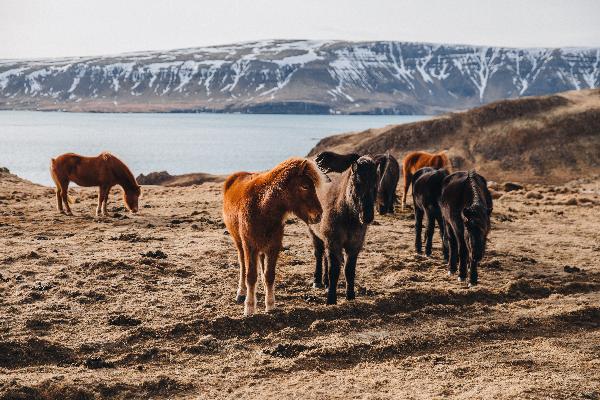
An Equestrian Adventure in Reykjavik: A Guide to the Icelandic Horse Experience
Discover the unique opportunity to connect with Iceland’s nature and culture through its most beloved native creature: the Icelandic horse. This guide provides a comprehensive overview of what to expect from a riding tour originating from the capital city, Reykjavik.
Introduction: The Soul of Iceland on Four Hooves
No visit to Iceland is complete without encountering the Icelandic horse, a breed that has been pure for over a thousand years. More than just a mode of transport, these horses are a living symbol of Icelandic heritage, resilience, and the nation’s deep connection to its dramatic landscape. A horseback riding tour from Reykjavik offers a uniquely serene and authentic way to experience the raw beauty of the Icelandic countryside, viewing the world from the same vantage point as the original Viking settlers.
This guide details everything you need to know to plan and enjoy a horseback riding experience from Reykjavik, from understanding the unique qualities of the breed to selecting the right tour and preparing for your adventure.
The Icelandic Horse: A Breed Apart
Before embarking on a ride, it is essential to understand what makes this animal so special. Isolated on the island since the 9th and 10th centuries, the Icelandic horse has developed distinct characteristics protected by strict import laws that prevent other breeds from entering the country and diseases from affecting the native stock.
Key Characteristics
Size and Stature: Often referred to as “ponies” due to their height (13-14 hands on average), they are legally and functionally classified as horses. They are known for their sturdy, compact build, strength, and ability to carry heavy adults with ease.
The Five Gaits: This is the breed’s most famous feature. While most horses have three or four gaits (walk, trot, canter/gallop), the Icelandic horse is renowned for its two unique, smooth extra gaits:
Tölt: A naturally smooth, four-beat gait where at least one foot is always on the ground. It is incredibly comfortable for the rider, allowing for high speeds over rough terrain without the bounce of a trot.
Skeið (Flying Pace): A two-beat lateral gait used for racing, where the legs on the same side move together. It can reach speeds of over 30 mph (48 km/h) and is an exhilarating experience, though typically only offered to experienced riders on specific tours.
Temperament: Icelandic horses are famously good-natured, curious, intelligent, and hardy. Their calm demeanor makes them exceptionally suitable for beginners, while their spirit and intelligence provide a rewarding challenge for expert riders.
Coat Colors: They exhibit a vast array of coat colors and patterns, with over 40 recognized varieties, including unique colorings not found in other breeds.
Types of Riding Tours from Reykjavik
Numerous stables operate in the Greater Reykjavik area and the surrounding countryside, offering a wide range of experiences. Most tours include hotel pick-up and drop-off in Reykjavik.
By Duration
Short Introductory Tours (1-2 hours): Perfect for first-time riders or those with limited time. These tours typically take place on easy trails near the stable, focusing on getting comfortable with the horse and experiencing the basic walk and perhaps the tölt.
Half-Day Tours (3-5 hours): These allow for a deeper immersion. Riders venture further into the lava fields, along rivers, or through valleys, often including a longer session to practice the tölt.
Full-Day Tours (6-8 hours): A more comprehensive adventure that usually includes a longer lunch break (a packed lunch may be included or available for purchase). These tours explore more remote and varied landscapes.
Multi-Day Tours: For the truly dedicated, multi-day trekking tours are available, often venturing into the Icelandic Highlands. These are physically demanding and require prior riding experience but offer an unparalleled wilderness experience.
By Experience Level
Beginner Tours (“Easy Rider”): Designed for those with little to no experience. The pace is slow (mostly walking), with thorough instruction provided. The horses selected are known for their calm and reliable nature.
Intermediate Tours: For riders who are comfortable at a walk, trot, and canter and are eager to learn or practice the tölt. These tours cover more ground and move at a brisker pace.
Advanced Tours: Aimed at experienced riders confident in all gaits. These tours often focus on achieving and maintaining a good tölt and may include opportunities for flying pace on suitable terrain.
By Scenery and Theme
Lava Field Rides: A very common and dramatic landscape near Reykjavik. Riding through the moss-covered, ancient lava formations feels like traversing another planet.
Beach Rides: Some stables located near the coast offer rides on black sand beaches, a truly iconic Icelandic experience. The firm, flat sand is perfect for trying out the tölt or even the flying pace.
Midnight Sun or Northern Lights Rides: Seasonal tours that capitalize on Iceland’s unique natural phenomena. A summer evening ride under the midnight sun or a winter tour hoping to catch the aurora borealis dancing overhead are magical experiences.
Combination Tours: Some operators combine horseback riding with other activities, such as visiting the Blue Lagoon, a geothermal greenhouse, or a cultural site.
What to Expect on Your Riding Day
Booking and Preparation
Book your tour well in advance, especially during the peak summer season (June-August). You will typically be asked for your height, weight, and riding experience to match you with a suitable horse. Upon booking, you will receive confirmation details and pick-up information.
The Typical Itinerary
Hotel Pick-up: A bus or van will collect you from a designated pick-up point in Reykjavik, usually between 30-90 minutes before the ride starts.
Arrival at the Stable: You will be greeted by the staff and signed in. You’ll have a chance to use the restroom and store any personal belongings.
Gearing Up: The stable will provide all necessary riding equipment: a helmet (mandatory), a riding saddle (often an English-style saddle), and a waterproof overall or jacket if needed. You are responsible for wearing appropriate footwear and clothing underneath.
The Safety Briefing and Introduction: This is a crucial part of the experience. A guide will provide instructions on how to steer, stop, and control your horse. They will explain the basics of the tölt and go over safety rules (e.g., maintaining distance between horses, not galloping off).
Meet Your Horse: You will be introduced to your horse for the day. The guides are experts at matching horse and rider temperament.
The Ride: The group, led by experienced guides, will set out on the pre-determined trail. The guide will set the pace and provide commentary on the landscape and the horses. They will often stop to take photos for the group.
Return to Stable: After the ride, you will dismount and learn how to properly unsaddle your horse. There is usually an opportunity to thank your horse and give it a treat (often provided by the stable).
Coffee & Kleina: A cherished Icelandic tradition after a ride is enjoying a cup of coffee and a “kleina,” a twisted doughnut-like pastry. This is often included in the tour price and provides a nice social conclusion to the activity.
Return Transfer: The bus will take you back to your original pick-up point in Reykjavik.
Practical Information: A Detailed Planner
What to Wear
Icelandic weather is notoriously unpredictable. Dressing in layers is essential.
Base Layer: Thermal underwear (wool or synthetic) to wick away moisture.
Mid Layer: A warm fleece or wool sweater for insulation.
Outer Layer: A waterproof and windproof jacket and pants. Many stables provide overalls, but having your own top layer is wise.
Footwear: Sturdy, waterproof boots with a slight heel (about 1-1.5 inches / 2-4 cm). This heel prevents your foot from sliding through the stirrup. Hiking boots are acceptable if they have a defined heel. Do not wear sneakers or flat-soled shoes.
Accessories:
- Thin gloves (even in summer, it can be chilly).
- A warm hat (worn under your riding helmet).
- Sunglasses.
What to Bring
- A small backpack.
- A camera or phone (in a secure, zipped pocket).
- A water bottle.
- Snacks if you have dietary restrictions (though kleina is usually provided).
- Cash or card for optional purchases (e.g., photos, souvenirs).
Physical Requirements & Restrictions
Age Limits: Most stables have a minimum age requirement, often 7 or 8 years old. There is usually no upper age limit for shorter, beginner rides, provided you are in reasonable health.
Weight Limit: Stables enforce a strict weight limit for the welfare of the horses, typically around 110-120 kg (240-260 lbs). You must provide your accurate weight when booking.
Fitness Level: While riding is not intensely aerobic, it requires a basic level of fitness. You need sufficient core strength and mobility to mount, dismount, and maintain your balance. Those with serious back, hip, or knee problems should reconsider.
Pregnancy: Most stables do not allow pregnant women to ride for safety reasons.
Costs and Booking Tips
Price Range (Approximate):
- 1-hour tour: 9,000 – 12,000 ISK
- 2-hour tour: 12,000 – 18,000 ISK
- 3-4 hour tour: 18,000 – 25,000 ISK
- Full-day tour: 25,000 ISK+
Tipping: Tipping is not a customary practice in Iceland. The staff are paid fair wages. A sincere “thank you” (Takk fyrir – pronounced “tahk fi-rir”) is greatly appreciated.
Cancellation Policy: Understand the stable’s cancellation policy. Tours usually run in all weather conditions unless deemed unsafe (e.g., a storm).
Seasonality: When to Go
Summer (June – August): The most popular time. The weather is mildest, the days are long (24-hour daylight around the solstice), and the landscapes are lush and green. Book far in advance.
Shoulder Seasons (May & September): Excellent times to visit. Fewer crowds, lower prices, and still decent weather, though it can be more unpredictable.
Winter (October – April):A completely different but beautiful experience. The landscape is stark and snowy. Daylight is limited, so tours are shorter and scheduled around the few hours of light. Northern Lights tours are available on clear evenings. Dress very warmly!
The Language Barrier
There is no need to worry. All guides at stables catering to international tourists are fluent in English, and often other languages. All instructions and safety briefings are conducted clearly in English.
The Icelandic Equestrian Ethos
The relationship between Icelanders and their horses is one of deep respect and partnership. This ethos extends to tourists. You will be expected to treat the horses with kindness and patience. Listen carefully to the guides’ instructions regarding horse handling; they prioritize animal welfare above all else.
A Lasting Memory
A horseback riding tour from Reykjavik is more than just an activity; it is an immersion into a fundamental aspect of Icelandic culture. The rhythmic sound of hooves on volcanic soil, the gentle nature of your horse, and the breathtaking scenery combine to create a profound sense of peace and connection. It is an experience that engages all the senses and leaves riders with a deep appreciation for Iceland’s natural wonders and its enduring equine companions. Whether you are a seasoned rider seeking the thrill of the tölt or a complete beginner looking for a gentle introduction, this adventure promises to be a highlight of your journey to the Land of Fire and Ice.