A Comprehensive Travel Guide to Turkey: Istanbul, Bursa, Izmir, Ephesus, Pamukkale, Sultanhani, Cappadocia, and Ankara
This guide outlines a classic and immersive circuit through Western and Central Turkey, blending majestic history, unique geology, vibrant culture, and culinary delights. The route forms a loop starting and ending in Istanbul, offering a profound journey through the heart of the nation.
Introduction to the Turkish Circuit
This itinerary covers a diverse range of experiences, from the Byzantine and Ottoman splendor of Istanbul to the ancient ruins of Ephesus, the surreal calcium terraces of Pamukkale, the otherworldly landscapes of Cappadocia, and the modern political heart of Ankara. Travelers will navigate a mix of transportation methods, including ferries, buses, domestic flights, and rental cars, providing a well-rounded view of the country’s infrastructure and scenic beauty.
Chapter 1: Istanbul – Where Continents Collide
Istanbul, a city straddling Europe and Asia, serves as the perfect start and end point for any Turkish adventure. It is a metropolis teeming with history, culture, and energy.
Main Attractions
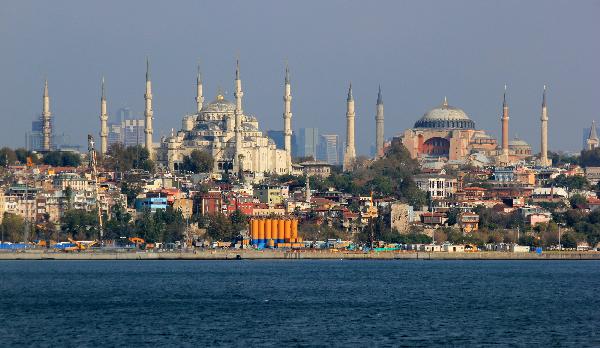
Hagia Sophia (Ayasofya): A monumental masterpiece of Byzantine architecture, later a mosque, and now a museum (as of recent status changes, it functions as a mosque). Its massive dome and stunning mosaics are awe-inspiring.
Sultanahmet Mosque (The Blue Mosque): Facing the Hagia Sophia, this 17th-century mosque is famous for its six minarets and beautiful blue Iznik tile interior.
Topkapi Palace: The primary residence of the Ottoman Sultans for nearly 400 years. Explore its lavish courtyards, harem, treasury, and enjoy panoramic views of the Bosphorus.
Grand Bazaar: One of the world’s largest and oldest covered markets, with over 4,000 shops selling everything from spices and lamps to jewelry and leather goods.
Spice Bazaar (Egyptian Bazaar): A fragrant market filled with the scents of spices, dried fruits, nuts, and Turkish delight.
Bosphorus Cruise: A boat tour along the strait separating Europe and Asia is essential for appreciating Istanbul’s skyline and waterfront palaces.
Food & Drink
Balık Ekmek: A classic fish sandwich, often grilled and served in a bun with onions and lettuce, best enjoyed from a boat-restaurant in Eminönü.
Kebab: Sample various types, from the familiar döner to more complex dishes like Iskender Kebab.
Meze: A selection of small appetizer dishes, perfect for sharing. Often includes hummus, haydari (thick yogurt with herbs), and dolma (stuffed vine leaves).
Turkish Breakfast (Kahvaltı): A lavish spread including cheeses, olives, tomatoes, cucumbers, honey, clotted cream (kaymak), and various jams.
Turkish Tea (Çay) and Coffee: Sip çay from a tulip-shaped glass throughout the day. Try traditional Turkish coffee, served strong and thick.
Transportation & Accommodation
Getting Around: Istanbul has an extensive public transport network including the metro, tram, funicular, and ferries. An Istanbulkart is a rechargeable card that provides access to all and is highly recommended. Taxis are widely available but ensure they use the meter.
Where to Stay:
Sultanahmet: Ideal for first-time visitors wanting to be within walking distance of major historical sites.
Beyoğlu (Taksim Square/Istiklal Street): A vibrant area known for its nightlife, dining, and shopping.
Karaköy/Galata: A trendy, up-and-coming neighborhood with boutique hotels, art galleries, and chic cafes.
Cultural Insights
Istanbul is a city of contrasts—ancient and modern, religious and secular. Dress modestly when visiting mosques (headscarves for women are often provided). Haggling is expected in the bazaars but should be done respectfully. The call to prayer (
ezan) echoes from minarets five times a day, a beautiful and integral part of the city’s soundscape.
Chapter 2: Bursa – The Green City and First Ottoman Capital
A short ferry and bus ride from Istanbul, Bursa offers a more relaxed atmosphere and is known for its early Ottoman heritage, thermal springs, and being the birthplace of the Iskender Kebab.
Main Attractions
Grand Mosque (Ulu Cami): An impressive 14th-century Seljuk-style mosque with 20 domes and a beautiful interior fountain.
Koza Han: A beautiful 15th-century caravanserai in the city center, historically a hub for the silk trade. It’s a peaceful place to drink tea in the courtyard.
Bursa Citadel & Tombs of Osman and Orhan: The founders of the Ottoman Empire are buried here, offering historical significance and great views.
Mount Uludağ: Turkey’s premier winter sports resort. In summer, it’s a popular spot for hiking and enjoying the cool mountain air. A cable car (teleferik) provides a stunning ascent.
Food & Drink
İskender Kebab: The must-eat dish in Bursa. Thinly sliced döner meat is served over pieces of pita bread, topped with tomato sauce and browned butter, accompanied by yogurt.
Chestnut Sweets (Kestane Şekeri): A local delicacy of candied chestnuts.
Pideli Köfte: Meatballs served on a bed of bread with tomato sauce and yogurt.
Transportation & Accommodation
Getting There: The most scenic route from Istanbul is via IDO ferry from Yenikapı to Yalova or Mudanya, followed by a bus or taxi to central Bursa. Direct buses are also available.
Where to Stay: Stay in the city center near the bazaars and mosques for convenience. Alternatively, the Çekirge district is known for its thermal hotel spas.
Chapter 3: Izmir & Ephesus – The Aegean Pearl and Ancient Metropolis
The journey continues south to Izmir, Turkey’s third-largest city and a vibrant Aegean port. Its main draw is its proximity to the breathtaking ancient city of Ephesus.
Main Attractions
The Ancient City of Ephesus: One of the best-preserved classical cities in the Mediterranean. Key sights include:
The Library of Celsus: An iconic facade that is a symbol of Ephesus.
The Great Theatre: A massive theater that could hold 25,000 spectators.
Terraced Houses: The homes of the wealthy elite, featuring exquisite mosaics and frescoes (requires a separate ticket).
House of the Virgin Mary: A pilgrimage site believed to be the final home of Mary, located on a hillside near Ephesus.
Temple of Artemis: One of the Seven Wonders of the Ancient World; today only a single column remains.
Izmir Waterfront (Kordon): A long promenade perfect for a stroll, lined with cafes and restaurants.
Kemeraltı Bazaar:A historic market in Izmir offering a more local experience than Istanbul’s Grand Bazaar.
Food & Drink
Boyoz:A flaky pastry, often eaten for breakfast in Izmir, typically with a hard-boiled egg and tea.
Kumru:A popular sandwich made with a special bread, grilled sausage, cheese, and tomatoes.
Tire Meatballs (Tire Köftesi):Aegean-style meatballs known for their herbs and spices.
Fresh Seafood:The Aegean coast offers excellent seafood; enjoy it at a restaurant along the waterfront.
Transportation & Accommodation
Getting There:A comfortable bus ride from Bursa to Izmir takes approximately 5-6 hours. Ephesus is about an hour’s drive from Izmir, accessible by bus from Izmir’s main otogar (bus station) to Selçuk or Kuşadası, then a short taxi or dolmuş (shared minibus) ride.
Where to Stay:
Selçuk:A convenient and quieter base for exploring Ephesus.
Kuşadası:A bustling coastal resort town with many hotels, popular with cruise ships.
Izmir (Alsancak):The city’s lively central district, ideal for experiencing urban Aegean life.
Chapter 4: Pamukkale & Hierapolis – The Cotton Castle
A journey inland from Ephesus leads to one of Turkey’s most unique natural wonders: Pamukkale. The name means “cotton castle” in Turkish, referring to the dazzling white travertine terraces filled with thermal waters.
Main Attractions
The Travertine Terraces:The brilliant white calcite-laden waters have cascaded down the mountainside for millennia, forming these stunning terraced pools. Visitors can walk on designated paths and wade in certain pools.
The Ancient City of Hierapolis:Situated atop the terraces, this Roman spa city offers a well-preserved theatre, a vast necropolis (cemetery), and the ruins of temples, baths, and a grand colonnaded street.
Antique Pool (Cleopatra’s Pool):A warm, mineral-rich swimming pool amidst ancient marble columns that fell during an earthquake. An unforgettable swimming experience.
Food & Drink
The nearby town of Pamukkale offers standard Turkish fare. For a special experience, many hotels in the area have thermal spring pools. Try local Aegean wines.
Transportation & Accommodation
Getting There:A direct bus from Selçuk or Kuşadası to Denizli takes about 3 hours. From Denizli’s bus station, frequent dolmuş services go to Pamukkale town.
Where to Stay:The small town of Pamukkale has numerous guesthouses and hotels. For more amenities, stay in Denizli. Many visitors choose to stay one night to experience the terraces at sunset or sunrise when they are less crowded.
(Continued) Chapter 5: Sultanhani Caravanserai – A Step on the Silk Road
(Continued) Chapter 6: Cappadocia – A Surreal Landscape
(Continued) Chapter 7: Ankara – The Modern Capital
(Continued) Chapter 8: Return to Istanbul & Departure
A Note on Transportation Between Major Hubs
Long-Distance Buses:Türkiye has an excellent, comfortable, and affordable intercity bus network. Companies like Kamil Koç, Pamukkale, and Metro are reputable. Buses often include water, tea/coffee, and snacks.
Domestic Flights:The leg from Cappadocia (Kayseri or Nevşehir airports) to Ankara or back to Istanbul can be done by flight to save time. Turkish Airlines and Anadolujet are the main carriers.
Rental Car:A car can be useful for exploring Cappadocia at your own pace but is not necessary for the entire trip due to the efficiency of buses between cities.
A Note on Travel Etiquette & Tips
Tipping:A tip of 10% is customary in restaurants if service is not included. Tip hotel staff, hamam attendants, and tour guides appropriately.
Bargaining:Expected in bazaars and for souvenirs. Be polite and see it as a cultural interaction rather than a confrontation.
Shoes & Modesty:Always remove shoes before entering a mosque or a private home. Dress modestly (covered shoulders and knees) in mosques and conservative neighborhoods.
Carpet Seller Conversations:Sellers can be persistent. A firm but polite “No, thank you” (“Hayır, teşekkür ederim”) usually suffices. Engaging in conversation over tea does not obligate you to buy.