Grand Tour of Western Europe: Netherlands, Belgium, France, Luxembourg, Switzerland, and Germany
This comprehensive travel guide details a classic Western European itinerary, looping through six diverse and captivating countries. The journey encompasses world-class cities, picturesque towns, breathtaking alpine scenery, and profound historical sites. Travelers will experience a rich tapestry of cultures, languages, cuisines, and landscapes, from the canal-laced streets of Amsterdam to the majestic peaks of the Swiss Alps.
1. Trip Overview and Preparation
This multi-country tour is best undertaken over a period of two to three weeks to fully appreciate each destination. The route is designed for efficiency, often starting and ending in a major transport hub like Frankfurt, Germany.
Best Time to Visit: Late spring (May-June) and early autumn (September-October) offer pleasant weather, fewer crowds, and vibrant natural scenery. Summer (July-August) is peak season with higher prices and larger crowds, while winter provides opportunities for skiing in Switzerland and charming Christmas markets.
Visa: The Netherlands, Belgium, France, Luxembourg, Germany, and Switzerland (despite not being in the EU) are all part of the Schengen Area. A Schengen Visa allows travel across all these countries.
Currency: The Euro (€) is used in the Netherlands, Belgium, France, Luxembourg, and Germany. Switzerland uses the Swiss Franc (CHF). It is advisable to carry some local currency, though credit cards are widely accepted.
Transportation: A combination of trains and rental cars is ideal. Europe’s rail network is extensive, efficient, and scenic, especially in Switzerland. A Eurail Pass can offer flexibility and savings. For maximum freedom between cities, a rental car is excellent, but note that city centers often have restricted traffic zones and expensive parking.
Accommodation: Options range from luxury hotels and boutique B&Bs to hostels and vacation rentals. It is highly recommended to book well in advance, particularly during peak season and in popular Swiss mountain towns.
2. Germany: Frankfurt & Cologne
The journey typically begins and ends in Frankfurt, a major financial and transport hub, with a significant stop in the historic city of Cologne.
Frankfurt
Often called “Mainhattan” due to its impressive skyline along the Main River, Frankfurt blends modern commerce with traditional German culture.
Attractions: The Römerberg is Frankfurt’s historic heart, featuring beautifully reconstructed medieval buildings. The Städel Museum boasts a world-class art collection. For panoramic views, visit the rooftop of the Main Tower. A stroll along the museum embankment (Museumsufer) is highly rewarding.
Food & Drink: Sample Apfelwein (hard apple cider) in the Sachsenhausen district. Try Grüne Soße (green sauce) with boiled eggs and potatoes, and don’t miss the classic Frankfurter Würstchen.
Transportation: Frankfurt Airport (FRA) is one of Europe’s busiest. The city has an excellent public transport system (U-Bahn, S-Bahn, trams). It is a major hub for both national (Deutsche Bahn) and international rail services.
Accommodation Tip: Stay near the Hauptbahnhof (main station) for transport convenience or in the city center (Innenstadt) to be close to major sights.
Cologne (Köln)
A historic city on the Rhine River, famous for its colossal cathedral and vibrant cultural scene.
Attractions: The Cologne Cathedral (Kölner Dom), a UNESCO World Heritage site, is an awe-inspiring Gothic masterpiece. Climb the 533 steps to the south tower for a stunning view. Cross the Hohenzollern Bridge, known for its “love locks,” and explore the Old Town (Altstadt) with its charming squares and breweries.
Food & Drink: Cologne is known for Kölsch, a light, crisp beer served in small cylindrical glasses. Pair it with local dishes like Himmel un Ääd (black pudding with mashed potatoes and apple sauce) or a hearty Rheinischer Sauerbraten (pot roast).
Transportation: Cologne is easily reached by high-speed train (ICE) from Frankfurt in about one hour. The city center is very walkable, with a comprehensive tram and bus network.
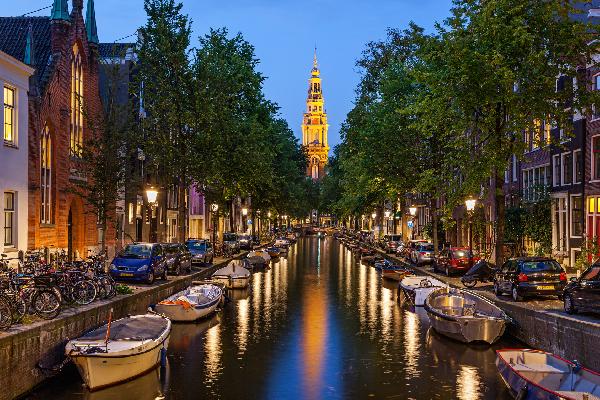
3. Netherlands: Amsterdam
A city of picturesque canals, world-renowned art, and a unique, tolerant spirit.
Attractions: Explore the Canal Ring (Grachtengordel), a UNESCO site, by boat. Visit the Rijksmuseum to see Rembrandt’s “Night Watch,” the Van Gogh Museum, and the Anne Frank House (book tickets months in advance). The Jordaan district offers charming streets, boutiques, and cafes.
Food & Drink: Try Stroopwafels (thin waffle cookies with syrup), raw herring with onions from a street stand, and Dutch cheese like Gouda or Edam. For a hearty meal, order Stamppot (mashed potato with vegetables).
Transportation: Amsterdam Schiphol Airport (AMS) is a major international gateway. The city is best explored on foot, by bicycle (the quintessential Dutch experience), or by its efficient tram system.
Cultural Insight: Amsterdam is known for its progressive and open-minded culture. Be respectful in the Red Light District and aware that coffee shops are licensed to sell cannabis.
4. Belgium: Brussels
The vibrant, multicultural capital of Belgium and the de facto capital of the European Union.
Attractions: The magnificent Grand Place (Grote Markt) is one of the most beautiful squares in Europe. See the iconic Manneken Pis statue. Explore the artistic treasures in the Royal Museums of Fine Arts and visit the futuristic Atomium, a remnant of the 1958 World’s Fair.
Food & Drink: Belgium is a foodie paradise. Indulge in authentic Belgian waffles, twice-fried frites with mayonnaise, and a vast variety of Belgian chocolates. Sample Trappist beers like Chimay or Westmalle in a traditional pub. For a main course, try Moules-frites (mussels with fries).
Transportation: Brussels is well-connected by high-speed train (Thalys) from Amsterdam. The city has a comprehensive metro, tram, and bus network. The city center is very compact and walkable.
5. France: Paris
The “City of Light” needs little introduction, offering an unparalleled blend of art, history, romance, and gastronomy.
Attractions: Ascend the Eiffel Tower, explore the art at the Louvre Museum (home to the Mona Lisa), and admire the stained glass of Notre-Dame Cathedral (currently under restoration). Stroll down the Champs-Élysées to the Arc de Triomphe, and wander through the artistic hilltop neighborhood of Montmartre.
Food & Drink: Enjoy fresh croissants and coffee at a sidewalk café. Feast on classic French dishes like Steak Frites, Coq au Vin, or Duck Confit. Sample pastries from a patisserie and don’t leave without trying a crêpe. Wine is an integral part of any meal.
Transportation: Paris is served by two major airports (CDG and ORY). The Paris Métro is one of the world’s most efficient subway systems, making it easy to navigate the city.
Accommodation Tip: Popular areas to stay include the Latin Quarter for its lively atmosphere, Le Marais for its trendy boutiques and history, and Saint-Germain-des-Prés for a more upscale experience.
Cultural Insight: A simple “Bonjour” (Hello) when entering a shop or cafe and “Merci” (Thank you) when leaving is considered essential polite etiquette in Paris.
6. Luxembourg: Luxembourg City
The capital of the Grand Duchy of Luxembourg is a stunning blend of ancient fortifications and modern European institutions.
Attractions: Explore the Bock Casemates, a network of underground tunnels and fortifications. Walk along the Corniche, often called “Europe’s most beautiful balcony,” for breathtaking views of the Grund district below. Visit the Grand Ducal Palace and the Cathedral of Notre Dame.
Food & Drink: Luxembourgish cuisine has German and French influences. Try Judd mat Gaardebounen (smoked collar of pork with broad beans), Gromperekichelcher (potato fritters), and pastries like Quetschentaart (plum tart). The country also produces its own wines from the Moselle Valley.
Transportation: Luxembourg City is compact and easily walkable. Public transport—including buses, trams, and trains—is free throughout the entire country.
7. Switzerland: The Alpine Heartland
The Swiss leg of the journey is a highlight, featuring dynamic cities and idyllic towns set against a backdrop of stunning natural beauty.
Zurich
A global banking hub with a beautifully preserved Old Town and a vibrant cultural life.
Attractions: Stroll along the shores of Lake Zurich (Zürichsee) and through the upscale shopping street Bahnhofstrasse. Explore the cobblestone lanes of the Old Town (Altstadt) on both sides of the Limmat River, and visit the Grossmünster and Fraumünster churches.
Food & Drink: Try Switzerland’s national dish, Rösti (shredded fried potatoes), often served with cheese or an egg. Sample Swiss chocolate from renowned chocolatiers like Sprüngli. For a unique experience, try Zürcher Geschnetzeltes(sliced veal in a creamy mushroom sauce).
The Swiss Countryside: Interlaken & Surrounding Areas
This region is the adventure and scenic capital of Switzerland.
– Interlaken:A popular tourist base situated between Lake Thun and Lake Brienz. It’s the gateway to the Jungfrau Region.
– Jungfraujoch – Top of Europe:A must-do excursion by train to the highest railway station in Europe, offering year-round snow and ice.
– Grindelwald & Murren:Tiny villages offering spectacular views of iconic peaks like the Eiger, Mönch, and Jungfrau.
– Food & Drink:
A postcard-perfect city on Lake Lucerne with a dramatic mountain panorama.