A Comprehensive Travel Guide: Cancun, Valladolid, Chichen Itza, Cenotes, Tulum & Coba
This guide details a classic and enriching loop through the heart of the Yucatan Peninsula, moving from the modern comforts of Cancun to the ancient mysteries of the Maya world, through colonial charm and breathtaking natural wonders.
Part 1: Arrival and Acclimation in Cancun
Most journeys begin in Cancun, a city purpose-built for tourism. While known for its sprawling all-inclusive resorts and vibrant nightlife, it also serves as the perfect gateway to the region.
Attractions in Cancun
Hotel Zone Beaches: The main attraction here is the stunning coastline. The beaches of Playa Delfines and Playa Tortugas offer powdery white sand and turquoise waters perfect for swimming and sunbathing. The views are objectively spectacular.
El Rey Archaeological Zone: Located within the Hotel Zone itself, this small but significant Maya site offers a quiet respite from the beach. Walking among its ancient platforms and temples, with iguanas sunbathing on the stones, provides a gentle introduction to the region’s history.
Mercado 28: For a more local market experience than the mall-like venues, venture to this mercado in downtown Cancun. It’s a labyrinth of stalls selling souvenirs, leather goods, and silver, where polite haggling is expected.
Food & Drink
While the Hotel Zone is filled with international chains and upscale restaurants, downtown Cancun (
El Centro) offers more authentic and affordable Yucatecan cuisine. Look for:
Pollo al Carbón (grilled chicken), Cochinita Pibil (slow-roasted marinated pork), and fresh seafood ceviches. A visit to a local taquería is essential for an inexpensive and delicious meal.
Transportation & Practical Tips
From the Airport: Official airport taxis are expensive. Pre-booking a private transfer or taking an ADO bus to downtown Cancun are more cost-effective options.
Getting Around: The local R1 and R2 buses are an efficient and cheap way to travel along the Hotel Zone’s main strip. Taxis are plentiful but agree on a fare before getting in.
Local Insight: Use Cancun as a base for one or two nights to recover from travel. Consider staying in downtown Cancun for better value and a more local feel if you don’t require beachfront access.
Part 2: Colonial Charm in Valladolid
A short journey inland transports you from the modern coast to the soulful, colonial city of Valladolid. This city is a perfect base for exploring Chichen Itza and numerous cenotes, offering a slower pace and authentic Yucatecan culture.
Attractions in Valladolid
Main Square (Zócalo): The heart of the city, dominated by the San Gervasio Cathedral. It’s a beautiful, shaded park perfect for people-watching in the evening as the city comes to life.
Convent of San Bernardino de Siena: A massive 16th-century fortress monastery located a short walk from the Zócalo. The sound and light show held in the evenings is a worthwhile presentation of the city’s history.
Calle de los Frailes: Arguably the most picturesque street in Valladolid, lined with colorful colonial buildings, boutique shops, and cafes. It’s ideal for a leisurely stroll and photography.
Food & Drink
Valladolid is a culinary hotspot for traditional food. Don’t miss:
Lomitos de Valladolid (a tomato-based pork dish), and Longaniza (a local sausage). For a unique street food experience, try the Marquesitas – a crispy rolled crepe filled with Edam cheese and Nutella or other sweet spreads. The municipal market is an excellent place for an authentic and inexpensive breakfast or lunch.
Transportation & Practical Tips
Getting There: The ADO bus from Cancun to Valladolid is comfortable, affordable, and takes about 2.5 hours. Renting a car offers more flexibility for this entire itinerary.
Getting Around: Valladolid is a highly walkable city. Most hotels, restaurants, and key sights are within easy walking distance of the Zócalo.
Local Insight: Spend at least one night here. The city is much cooler and more pleasant in the early morning and evening after the day-trippers have left.
Part 3: The Wonder of Chichen Itza
No trip to the Yucatan is complete without visiting Chichen Itza, one of the New Seven Wonders of the World. This vast archaeological site was a major Maya city and showcases a fascinating blend of Maya and Toltec influences.
The Archaeological Site
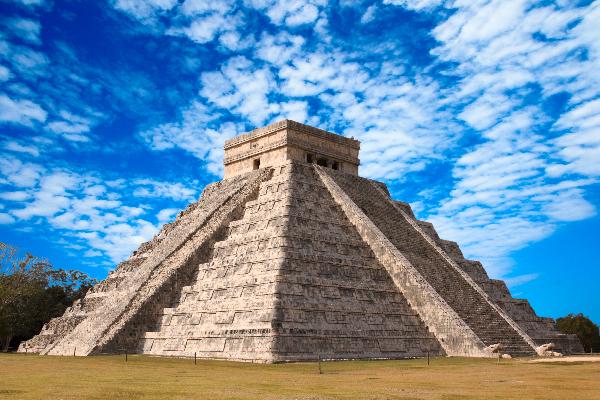
El Castillo (The Castle): The iconic step pyramid that dominates the site. During the spring and autumn equinoxes, the play of light and shadow creates the illusion of a serpent slithering down the staircase.
The Great Ball Court: The largest and most impressive ball court in ancient Mesoamerica. The acoustics are incredible; a whisper from one end can be clearly heard at the other.
The Temple of the Warriors: A large complex with rows of carved columns and a Chac Mool statue at its summit.
El Caracol (The Observatory): A unique circular structure that demonstrates the Maya’s advanced knowledge of astronomy.
Cenote Sagrado (Sacred Cenote): A massive natural sinkhole at the northern end of the site, which was used for ceremonial offerings to the Maya rain god, Chaac.
Practical Tips for Visiting
Timing is Everything: Arrive right when the site opens at 8:00 AM to avoid the massive crowds and the intense midday heat. The sun here is relentless.
What to Bring: Wear a hat, sunglasses, and high-SPF sunscreen. Bring plenty of water – more than you think you’ll need. Comfortable walking shoes are non-negotiable.
Guides: Hiring a certified guide at the entrance is highly recommended to understand the historical and cultural significance of what you are seeing.
Souvenirs: The vendors inside the site are numerous. If you see something you like, polite haggling is appropriate. Remember that climbing any of the structures is strictly prohibited.
Part 4: The Magic of the Cenotes
The Yucatan Peninsula has no above-ground rivers; instead, it boasts a vast underground network of rivers and caves. Where the limestone bedrock has collapsed, it reveals natural swimming holes known as cenotes. They were considered sacred portals to the underworld by the Maya.
Cenotes Near Valladolid & Chichen Itza
Cenote Ik Kil: Famous for its stunning beauty, with vines cascading down into a deep, circular pool. It’s very popular and often crowded, located just a few minutes from Chichen Itza.
Cenote Suytun: Gained internet fame for its photogenic platform that extends into the water, with a single beam of light shining through a hole in the cave ceiling. Go mid-day for the best light, but expect crowds.
Cenote Zaci: A semi-open cenote right in the center of Valladolid. It’s less glamorous but very convenient and offers a more local experience.
Cenote Samula & Xkeken: Two neighboring cave cenotes located near each other south of Valladolid. Both feature dramatic stalactites and a single shaft of light illuminating the clear water below.
Cenote Etiquette & Tips
Shower First: You are required to rinse off before entering any cenote to protect the fragile ecosystem from sunscreen, oils, and lotions.
Eco-Friendly Sunscreen: Regular sunscreen is banned in many cenotes. Use only biodegradable sunscreen, or better yet, wear a rash guard or t-shirt for sun protection.
Life Vests: These are often mandatory and are usually available for rent or included in the entrance fee.
Local Insight: Visit a lesser-known cenote early in the day for a more serene experience. The water is refreshingly cool, providing perfect relief from the jungle heat.
Part 5: The Walled City of Tulum
Heading back towards the coast, Tulum offers a unique combination of history and bohemian beach culture. The Tulum Archaeological Zone is famous for its stunning location atop cliffs overlooking the Caribbean Sea.
Tulum Ruins
The Castle (El Castillo): The largest structure at Tulum, perched on the edge of the cliff. It served as a navigational landmark for Maya canoes and as a temple.
Temple of the Frescoes: A small building containing faint but significant murals depicting Maya deities.
Temple of the Descending God: Notable for its carved figure of a diving or descending god, a unique deity important at Tulum.
The Beach: A staircase next to El Castillo leads down to a small, beautiful beach where you can swim directly below the ancient walls—a truly unforgettable experience.
Tulum Pueblo & Beach Zone
The town of Tulum (
Tulum Pueblo) is located along the main highway and is filled with affordable restaurants, shops, and hostels. The beach zone (Tulum Playa) is a long strip of sand backed by eco-chic hotels, world-class restaurants, and trendy boutiques, accessible via a single road that can get very congested.
Practical Tips for Visiting Tulum
Avoid Midday Heat: Like Chichen Itza, visit the ruins early. The site is largely unshaded and can be extremely hot.
Transportation: The walk from the entrance to the ruins is long. A small shuttle train is available for a fee. To get to the beach zone from town, renting a bicycle is a popular and fun option, or you can take a taxi.
Crowds: Tulum is one of the most visited sites in Mexico. It will be crowded. Patience is key.
Part 6: The Jungle-Clad Pyramids of Coba
Located about an hour northwest of Tulum, Coba offers a very different experience. This vast ancient city is spread deep within the jungle, and many of its structures remain unexcavated.
The Archaeological Site
Nohoch Mul Pyramid: This is the main draw. At 42 meters (138 feet) tall, it is one of the tallest pyramids in the Yucatan. Unlike at Chichen Itza, visitors are still permitted to climb Nohoch Mul (on a steep rope-assisted staircase) for an incredible panoramic view above the jungle canopy.
The Ball Courts: Coba has several ball courts, highlighting the importance of the game here.
Ancient Sacbeob (White Roads): Coba was a hub connected by over 50 sacbeob, or raised stone causeways. The main one is over 100 kilometers long, connecting to Yaxuna near Chichen Itza.
Exploring Coba
The site is enormous. While you can walk between the main groups, renting a bicycle or hiring a bicycle taxi (triciclo) is a highly recommended and enjoyable way to explore the shaded paths and cover more ground comfortably.
Practical Tips for Visiting Coba
A Different Vibe: Coba feels more adventurous and less crowded than Chichen Itza or Tulum. The jungle setting provides more shade but also means more insects; bring bug spray.
The Climb: Climbing Nohoch Mul is strenuous and can be intimidating. Assess your fitness level carefully. The descent can be particularly challenging.
Combine with a Cenote: Several beautiful cenotes are located near Coba, such as Cenote Multum-Ha or Tamcach-Ha, making it easy to combine a morning at the ruins with an afternoon swim.
A Final Stop: Playa del Carmen
On your return journey towards Cancun, Playa del Carmen serves as a perfect final stop. It strikes a balance between Cancun’s resort-style tourism and Tulum’s boho chic.
The Quintessential Experience: Quinta Avenida
The city’s lifeblood is La Quinta Avenida (5th Avenue), a long pedestrian walkway running parallel to the beach. It’s a bustling promenade filled with restaurants, bars, shops, and street performers. It’s ideal for an evening stroll, some last-minute souvenir shopping, or enjoying a meal with a lively atmosphere.
The Beaches
The beaches in central Playa del Carmen are wide and beautiful. However, sargassum (seaweed) can be an issue depending on the season and currents. Many beach clubs work hard to keep their sections of sand clean and offer chair and umbrella rentals with a food/drink purchase.
A Perfect End to the Journey
Sitting at a beachside bar on Playa del Carmen’s shore, reflecting on the journey from ancient pyramids to hidden cenotes and colonial streets, provides a moment to absorb the incredible diversity and rich history of Mexico’s Yucatan Peninsula before heading home.
A Note on Sargassum
The Caribbean coast has been experiencing significant seasonal influxes of sargassum seaweed, typically from April to August. This can affect beach conditions in Cancun, Tulum, and Playa del Carmen. Beaches on Isla Mujeres and Cozumel are often less affected. Check recent conditions before your trip if pristine beaches are a top priority.
A Note on Respectful Travel
The sites you will visit are not just tourist attractions; they are places of profound cultural and historical significance. Be respectful: do not climb on restricted structures, do not touch or carve on the ruins, follow all posted rules at cenotes and archaeological zones, and be mindful when photographing local people. Supporting local businesses by eating at family-run restaurants and buying from local artisans helps ensure your tourism has a positive impact.
A journey through this loop of the Yucatan is more than a vacation; it’s an immersion into a landscape shaped by nature, history, and living culture that will leave you with memories for a lifetime.