Comprehensive Travel Guide: Toronto, Thousand Islands, Montreal, Maple Sugar Shack, Quebec City, Montmorency Falls, Tremblant, Ottawa
Introduction
This guide details a classic Eastern Canada road trip loop, starting and ending in Toronto. This journey covers the vibrant urban centers of Toronto, Montreal, and Ottawa, the profound history of Quebec City, the stunning natural beauty of the Thousand Islands and Montmorency Falls, the charming alpine village of Mont-Tremblant, and the unique cultural experience of a traditional maple sugar shack. The route is designed to be driven over 10-14 days, offering a rich blend of city life, nature, history, and gastronomy.
1. Toronto: The Dynamic Starting Point
Toronto, Canada’s largest city, is a multicultural metropolis situated on the shores of Lake Ontario. It serves as the perfect gateway for this adventure.
Key Attractions
CN Tower: An iconic 553-meter telecommunications tower. Visitors can walk on the glass floor, enjoy panoramic views from the LookOut Level, or dine in the 360 Restaurant which rotates for a full city view.
Royal Ontario Museum (ROM): Canada’s largest museum of world cultures and natural history, with a striking crystalline addition to its architecture.
Art Gallery of Ontario (AGO): Houses an extensive collection of Canadian, European, African, and contemporary art.
St. Lawrence Market: A historic market complex named the world’s best food market by National Geographic. It’s a paradise for food lovers.
Distillery District: A pedestrian-only village with well-preserved Victorian industrial architecture, now home to art galleries, restaurants, cafes, and boutiques.
Toronto Islands: A chain of small islands just a short ferry ride from the downtown core. Offers beaches, parks, kayak rentals, and the best skyline views of the city.
Practical Information
Best Time to Visit: Late spring (May-June) and early fall (September) for pleasant weather. Summer is warm but crowded.
Getting Around: The Toronto Transit Commission (TTC) subway, streetcars, and buses are efficient. Purchase a Presto card for convenience. Driving downtown is not recommended due to traffic and expensive parking.
Accommodation: Options range from luxury hotels in the Entertainment District to boutique hotels in Yorkville and budget hostels.
2. Thousand Islands: A Scenic River Escape
Driving east from Toronto for approximately 3 hours brings you to the Thousand Islands region, a stunning archipelago of over 1,800 islands straddling the Canada-U.S. border in the St. Lawrence River.
Key Attractions
Boldt Castle: Located on Heart Island (U.S. side, passport required). This magnificent castle was built as a testament of love by hotel magnate George C. Boldt for his wife. The story of its abandonment and restoration is captivating.
Millionaire’s Row: A boat tour will pass by these extravagant mansions and cottages built by wealthy industrialists during the Gilded Age.
Boat Tours: Essential for experiencing the islands. Multiple companies operate from towns like Gananoque, Rockport, and Ivy Lea. Tours range from one-hour sightseeing to full-day adventures.
Skydeck: For a bird’s-eye view, visit the 1000 Islands Tower in Hill Island, offering observation decks 130 meters above the ground.
Practical Information
Best Time to Visit: Summer (June-August) for optimal boat tour conditions and fall (late September-October) for spectacular foliage.
Base Town: Gananoque, Ontario, is a popular and charming base with numerous tour operators, hotels, and restaurants.
Crossing the Border: If your boat tour visits Boldt Castle, you must carry your passport. The boat company will handle customs formalities.
3. Montreal: The Paris of North America
From the Thousand Islands, continue east for about 3 hours to reach Montreal, the cultural capital of Quebec. It is a vibrant island city known for its fusion of European charm and North American energy.
Key Attractions
Old Montreal (Vieux-Montréal): The historic heart with cobblestone streets, 17th-century buildings, Notre-Dame Basilica, and the Old Port.
Notre-Dame Basilica: A masterpiece of Gothic Revival architecture. Don’t miss the AURA multimedia light show in the evenings.
Mount Royal Park: Designed by Frederick Law Olmsted, this large park offers hiking trails, a lake, and the Kondiaronk Belvedere with a stunning view of downtown.
Plateau Mont-Royal: A trendy neighborhood known for its colorful row houses, spiral staircases, unique shops, and bustling cafes.
Jean-Talon Market/Marché Atwater: Large public markets offering fresh produce, cheeses, meats, and baked goods—a feast for the senses.
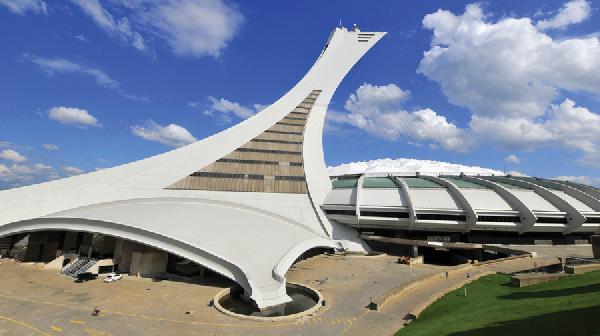
Olympic Park & Botanical Garden: Site of the 1976 Summer Olympics. The adjacent Montreal Botanical Garden is one of the world’s largest and most spectacular.
Practical Information
Language: French is the official language, but English is widely spoken in tourist areas.
Getting Around: The Montreal Metro (STM) is efficient. BIXI bike-share is popular. Driving and parking in the city center can be challenging.
Cuisine: Must-tries include poutine, smoked meat sandwiches (from Schwartz’s), bagels (from St-Viateur or Fairmount), and French-Canadian tourtière.
4. Maple Sugar Shack (Cabane à Sucre)
A quintessential Canadian cultural experience, especially in early spring. A “cabane à sucre” is a farm that produces maple syrup and opens its doors for festive meals.
The Experience
Tapping Season: Typically from late February to April, when freezing nights and warm days cause the sap to flow.
The Meal: A hearty, all-you-can-eat feast featuring traditional dishes often cooked with maple syrup. Expect pea soup, omelets, baked beans, ham, sausages, meat pies (tourtière), and sugar pie (tarte au sucre).
Tire sur la Neige: Hot maple syrup poured onto fresh snow, which hardens into a delicious chewy candy that you roll onto a stick.
Sugar Bush Tours: Many shacks offer guided tours explaining the process of tapping trees and boiling sap down into syrup.
Practical Information
Location: Numerous sugar shacks are located in the countryside around Montreal and Quebec City (e.g., Érablière au Sous-Bois near Mont-Tremblant). Reservations are absolutely essential.
Timing: This is a seasonal activity. Outside of spring, some shacks operate as restaurants year-round but may not offer the full traditional experience.
5. Quebec City: A Slice of Old Europe
A 3-hour drive northeast from Montreal leads to Quebec City, the capital of Quebec province and a UNESCO World Heritage site. Its fortified old town is the only one north of Mexico.
Key Attractions
Old Quebec (Vieux-Québec): Divided into Upper Town (Haute-Ville) and Lower Town (Basse-Ville).
Château Frontenac: This grand hotel dominates the skyline. Take a guided tour or simply admire its architecture.
Plains of Abraham (Battlefields Park): A vast urban park where the famous 1759 battle between the French and British took place. Ideal for walking, jogging, and picnics.
Dufferin Terrace: A wide wooden boardwalk alongside Château Frontenac offering magnificent views of the St. Lawrence River.
Quartier Petit Champlain: A picturesque neighborhood in Lower Town with narrow cobbled streets, boutiques, and restaurants. Accessible by the Funicular from Upper Town.
La Citadelle: An active military installation and official residence of the Canadian monarch in Quebec. The changing of the guard ceremony is a popular summer attraction.
The Fortifications: Walk along the 4.6 km stone walls surrounding Old Quebec.
Practical Information
Best Time to Visit: Summer for festivals and warm weather; winter for the famous Quebec Winter Carnival and magical snowy scenery; fall for stunning foliage.
Getting Around: Old Quebec is very walkable. There is also a public bus system.
Cuisine: Renowned for its fine French dining. Try local specialties like poutine râpée (a stuffed potato dumpling) and cretons (a pork pâté).
6. Montmorency Falls: Higher Than Niagara
Located just 15 minutes east of Old Quebec City, Montmorency Falls Park (Parc de la Chute-Montmorency) is a must-visit natural attraction where the Montmorency River plunges 83 meters—30 meters higher than Niagara Falls.
Key Attractions & Activities
Suspension Bridge: Crosses directly over the crest of the falls for thrilling views straight down.
Cable Car (Funitel): Provides a scenic ride from the base to the top of the cliff.
Staircase (Zipline): A staircase with nearly 500 steps runs alongside the falls. Alternatively, a zipline offers an adrenaline-filled way to cross the park.
The Manoir: A historic house at the top of the cliff housing a restaurant and exhibition space.
The Ice Cone (Winter): In winter, the spray from the falls freezes into a massive “sugar loaf” cone at the base, which can be climbed by experienced ice climbers.
Practical Information
Accessibility:The cable car provides easy access for those who cannot manage the stairs. The park is accessible year-round.
Time Needed:A visit can take 1.5 to 3 hours depending on activities.
7. Mont-Tremblant: The Four-Season Resort
A scenic 4-hour drive west from Quebec City (or 1.5 hours northwest of Montreal) brings you to Mont-Tremblant, a world-renowned resort area in the Laurentian Mountains.
The Resort Village & Activities
Tremblant Resort Village:A pedestrian-only alpine village at the base of the mountain with brightly colored buildings housing hotels, shops, and restaurants. It has a distinct European charm.
Skiing & Snowboarding (Winter):The primary winter draw with over 100 trails across four slopesides.
Hiking & Mountain Biking (Summer):The mountain transforms into a hub for hiking trails and one of North America’s top bike parks. Take the panoramic gondola to the summit for breathtaking views.
<
Tremblant Activity Centre (Summer):A hub for activities like kayaking, paddleboarding, rock climbing, and an aerial adventure park in the trees.< / li >