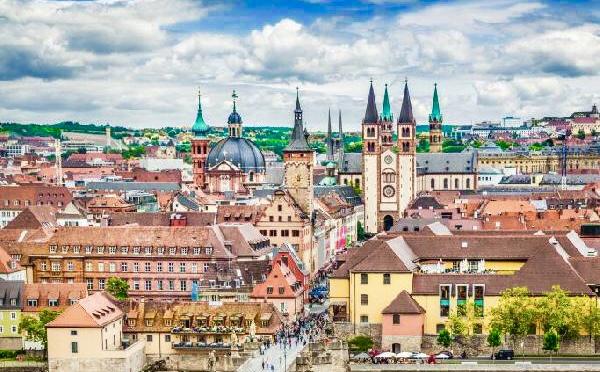
Comprehensive Travel Guide: Helsinki to the Baltic Capitals and Beyond
This guide details a classic Nordic and Baltic circuit, taking you from the modern design of Helsinki through the medieval charm of Tallinn and Riga, to the baroque beauty of Vilnius, with stops in national parks, castles, and coastal towns along the way.
Trip Overview
This itinerary is a loop starting and ending in Helsinki, Finland, focusing on the three Baltic States (Estonia, Latvia, Lithuania) with an extension into the Swedish-speaking Åland Islands. The journey combines urban exploration with natural beauty and historical depth. The logical route is: Helsinki (Finland) -> Tallinn (Estonia) -> Pärnu (Estonia) -> Cēsis & Sigulda (Latvia) -> Vilnius (Lithuania) -> Trakai (Lithuania) -> Kaunas (Lithuania) -> Šiauliai (Lithuania) -> Rundāle Palace (Latvia) -> Riga (Latvia) -> Return to Tallinn -> Return to Helsinki.
Practical Travel Information
Best Time to Visit
Summer (June-August): This is the peak season with the best weather, long daylight hours (especially the “White Nights” around the summer solstice), and numerous festivals. It is ideal for outdoor activities but also the most crowded and expensive.
Spring (May) and Autumn (September): These are excellent shoulder seasons. The weather is milder, crowds are thinner, and the landscapes are beautiful with blooming flowers or autumn colors.
Winter (December-February): A cold and dark but magical time to visit. Christmas markets are enchanting, and the cities covered in snow look like fairy tales. Be prepared for very short daylight hours.
Getting Around
By Ferry: The connection between Helsinki and Tallinn is best done by ferry. Multiple companies (such as Tallink Silja, Viking Line, Eckerö Line) operate several trips daily. The journey takes about 2-3 hours.
By Bus: Buses are the primary and most efficient mode of transport between cities within the Baltic States. Companies like Lux Express and Ecolines offer comfortable, affordable, and reliable services with amenities like free Wi-Fi and coffee.
By Car: Renting a car offers maximum flexibility, especially for visiting places like Rundāle Palace, Trakai, and the Hill of Crosses. Roads are generally in good condition.
By Air: For longer distances (e.g., Riga to Vilnius), flying is an option, but buses are often more convenient for city-center to city-center travel.
Visa Requirements
The Baltic countries (Estonia, Latvia, Lithuania) and Finland are part of the Schengen Area. Travelers from many countries (including the US, Canada, UK, Australia) do not need a visa for short stays (up to 90 days within a 180-day period). Always check the latest requirements based on your nationality.
Currency
Estonia: Euro (€)
Latvia: Euro (€)
Lithuania: Euro (€)
Finland: Euro (€)
Credit and debit cards are widely accepted in all cities and most towns. It is still advisable to have some cash for small purchases, markets, or rural areas.
Language
Estonia: Estonian (Finno-Ugric language family, related to Finnish).
Latvia: Latvian (Baltic language family).
Lithuania: Lithuanian (Baltic language family).
Finland: Finnish and Swedish.
English is widely spoken, particularly among younger people and in the tourism, hospitality, and retail sectors in all major cities and tourist destinations.
Detailed Itinerary and Destinations
Helsinki, Finland
Helsinki is a city of design and the sea, known for its modern architecture and vibrant coastal culture.
Helsinki Cathedral: A stunning white neoclassical cathedral dominating Senate Square.
Suomenlinna Sea Fortress: A UNESCO World Heritage site spread across several islands, easily reached by a 15-minute ferry ride. Explore the tunnels, museums, and ramparts.
Temppeliaukio Church (Rock Church): A unique church carved directly into solid rock, with a magnificent copper-wired dome.
Market Square (Kauppatori): A vibrant waterfront market selling local food, crafts, and souvenirs. Try the traditional salmon soup.
Design District: Explore hundreds of shops, studios, and galleries dedicated to Finnish design.
Practical Tip: The Helsinki Card offers free public transport and entry to major attractions.
Tallinn, Estonia
Reached by ferry from Helsinki, Tallinn’s beautifully preserved Old Town is a UNESCO World Heritage site and feels like stepping back into the Middle Ages.
Tallinn Old Town: Wander through the cobblestone streets divided into the Upper Town (Toompea) and Lower Town.
Toompea Castle & Alexander Nevsky Cathedral: The castle now houses the Estonian Parliament. The cathedral is a spectacular Russian Orthodox church with iconic onion domes.
Town Hall Square & Town Hall Pharmacy: The square is the heart of the Lower Town, home to Europe’s oldest continuously operating pharmacy.
Kiek in de Kök: A historic cannon tower that now houses a museum on the city’s fortifications. You can walk through the underground bastion tunnels from here.
Telliskivi Creative City & Balti Jaam Market: A trendy area just outside the Old Town with hipster cafes, unique shops, and a large market hall selling everything from food to vintage items.
Practical Tip: For a great panoramic view of the Old Town, go to the Kohtuotsa viewing platform.
Pärnu, Estonia
A short bus ride from Tallinn, Pärnu is Estonia’s premier summer resort town, famous for its long sandy beach and relaxed atmosphere.
Pärnu Beach: A wide, sandy beach with a promenade, parks, and numerous cafes. The beach is known for its therapeutic mud.
Pärnu Old Town: A small but charming area with colorful wooden houses, the Red Tower (a remnant of the medieval fortress), and St. Catherine’s Church.
Valli Park & Rannahotell: A beautiful seaside park leading to the classic Functionalist-style beach hotel, an architectural landmark.
Practical Tip: Visit in July for the Pärnu Music Festival if you are a classical music enthusiast.
Cēsis and Sigulda, Latvia
The next leg takes you into the Gauja River Valley, often called “Latvian Switzerland,” for its stunning river valley landscape and dense forests.
Cēsis
Cēsis Medieval Castle: One of the most iconic and best-preserved castle ruins in the Baltics. You can explore the dark corridors by candlelight.
Cēsis Old Town: A charming area with cobbled streets, historic wooden architecture, and St. John’s Church.
Cēsis Castle Park: A beautiful romantic-style park with ponds, sculptures, and the “Swedish Wall” fortification remnants.
Sigulda
Turaida Museum Reserve: A vast open-air museum featuring the red-brick Turaida Castle, the Folk Song Hill with its monument, and beautiful forest trails.
Gutmanis Cave: The largest cave in the Baltic region, covered in centuries-old inscriptions.
Sigulda Bobsleigh and Luge Track: