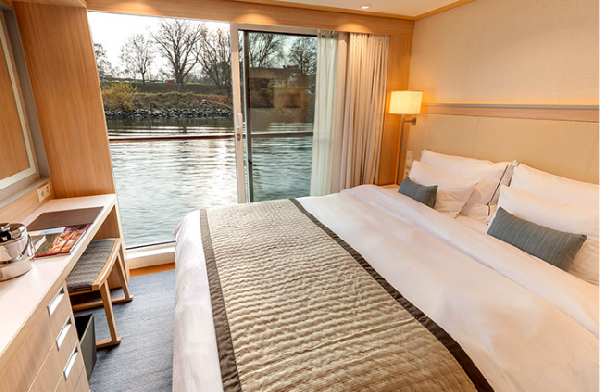
A Grand Tour of Central Europe: Hungary, Austria, Czechia, Slovakia, and Germany
This comprehensive travel guide details a classic Central European itinerary, connecting the imperial splendor of Vienna and Budapest with the charming towns and breathtaking landscapes along the Danube River. The route—Vienna, Spitz, Passau, Linz, Cesky Krumlov, Melk, the Wachau Valley, Dürnstein, Bratislava, and Budapest—offers a rich tapestry of history, culture, architecture, and gastronomy.
Introduction to the Region
Central Europe is a historical and cultural crossroads, once the heart of the Habsburg Empire. This journey traverses countries that share a common past yet boast distinct identities. Travelers can expect to encounter majestic castles, serene river valleys, world-class art, hearty cuisine, and a legacy of music and intellectual thought that has shaped the continent.
Historical Context: The influence of the Austro-Hungarian Empire is palpable, seen in the grand architecture and the coffee house culture.
Cultural Tapestry: A blend of Germanic, Slavic, and Magyar influences creates a unique regional character.
Best Time to Visit: Late spring (May-June) and early autumn (September-October) offer pleasant weather and fewer crowds. The Christmas markets in December are a magical experience.
Vienna, Austria: The Imperial Capital
Vienna, the starting point of this journey, is a city steeped in imperial history, classical music, and art.
Attractions
Schönbrunn Palace: The former summer residence of the Habsburgs, with stunning Baroque architecture, vast gardens, and the world’s oldest zoo.
St. Stephen’s Cathedral: A magnificent Gothic masterpiece in the city center, offering panoramic views from its South Tower.
Belvedere Palace: Houses an impressive art collection, including Gustav Klimt’s “The Kiss.”
Vienna State Opera: A world-renowned opera house; attending a performance is a quintessential Viennese experience.
Kunsthistorisches Museum: One of the world’s foremost fine arts museums, with works by Old Masters.
Food & Drink
Wiener Schnitzel: A thin, breaded, and fried veal cutlet, traditionally served with potato salad.
Sachertorte: A dense chocolate cake with a thin layer of apricot jam, invented at the Hotel Sacher.
Apfelstrudel: A classic apple strudel, best enjoyed with a dollop of whipped cream.
Vienna Coffee House Culture: Spend an afternoon at a traditional coffee house like Café Central or Café Sacher, enjoying a Melange (coffee with milk) and reading the newspaper.
Transportation & Accommodation
Vienna has an excellent public transport system (U-Bahn, trams, buses). The Vienna City Card offers unlimited travel and discounts. For accommodation, the Innere Stadt (1st district) is central but expensive. Districts like Mariahilf and Neubau offer more affordable and trendy options.
The Danube River Journey: Wachau Valley & Beyond
The most scenic way to travel between Vienna and Passau is by river cruise, navigating through the UNESCO World Heritage Wachau Valley.
Spitz, Austria
A picturesque wine-growing town in the heart of the Wachau Valley.
Attractions: Hike up to the ruins of Hinterhaus Castle for stunning views of the Danube and surrounding vineyards.
Experience: Visit a local Heuriger (wine tavern) to sample crisp Grüner Veltliner and Riesling wines directly from the vintner.
Melk, Austria
Famous for its magnificent Benedictine abbey that dominates the town.
Melk Abbey: A Baroque architectural marvel with a stunning library, marble hall, and a church with exquisite frescoes. The abbey’s terrace offers a commanding view of the Danube.
Dürnstein, Austria
A charming small town known for its blue-and-white Baroque tower and castle ruins.
Attractions: The ruins of Kuenringer Castle, where Richard the Lionheart was imprisoned. The climb is rewarding for unparalleled views of the Wachau Valley.
Experience: Stroll along the main street, lined with wine taverns and artisan shops.
Linz & Passau: Upper Austria and Bavaria
Linz, Austria
A vibrant city that blends industrial heritage with contemporary culture.
Attractions: The Ars Electronica Center (Museum of the Future), the Lentos Art Museum, and the main square (Hauptplatz).
Food: Linzer Torte, considered the oldest cake in the world, is a must-try.
Passau, Germany
Known as the “City of Three Rivers” where the Danube, Inn, and Ilz converge.
Attractions: St. Stephen’s Cathedral houses the world’s largest cathedral organ; daily concerts are held. Explore the picturesque Old Town (Altstadt) with its Italianate Baroque architecture.
Cultural Insight: Passau’s history as a bishopric and trading hub is evident in its grand buildings and narrow alleys.
Cesky Krumlov, Czechia: A Fairytale Detour
A short trip from Linz, this UNESCO World Heritage site is a perfectly preserved medieval town.
Attractions
Cesky Krumlov Castle: The second largest castle complex in Czechia, featuring a stunning Baroque theater, lush gardens, and a unique revolving auditorium.
The Old Town: A labyrinth of cobblestone streets lined with Renaissance and Gothic buildings. The Vltava River meanders through the center, perfect for a canoe trip.
Egon Schiele Art Centrum: Dedicated to the famous expressionist painter who lived here.
Food & Drink
Czech Classics: Roast duck or pork with dumplings (knedlíky) and sauerkraut (zelí).
Trdelník: A sweet pastry rolled on a spit and coated in sugar and nuts.
Beer: Czech beer is legendary. Sample a Pilsner Urquell or a local Budvar (Budweiser).
Accommodation & Transport
Stay in a pension within the Old Town for an authentic experience. Cesky Krumlov is best reached by bus from major cities like Ceske Budejovice or Linz.
Bratislava, Slovakia: The Charming Capital
A compact and lively capital on the banks of the Danube, often overlooked but full of character.
Attractions
Bratislava Castle: Offers panoramic views of the city and the Danube. The castle houses historical exhibitions.
The Old Town (Staré Mesto): Explore its pedestrian-friendly squares, including Hlavné Námestie (Main Square) with its Old Town Hall.
St. Martin’s Cathedral: The coronation church for Hungarian kings for nearly 300 years.
UFO Tower: Located on the SNP Bridge, it offers a spectacular 360-degree view from its observation deck and restaurant.
Cumil (“The Watcher”): A quirky bronze statue of a man peeping out of a manhole, a popular photo spot.
Food & Drink
Bryndzové Halušky: The national dish—potato dumplings with sheep’s cheese and bacon.
Slovak Wine: Sample wines from the nearby Small Carpathian wine region.
Kofola:A popular local soft drink from the communist era, similar to cola.
Cultural Insight & Transport
Bratislava’s history is deeply intertwined with both Hungarian and Austrian rule. Its 20th-century communist past adds another layer to its identity. The city is very walkable and is well-connected to Vienna (about one hour by train or boat) and Budapest.
Budapest, Hungary: The Pearl of the Danube
The grand finale of the journey, Budapest is actually two cities—Buda and Pest—unified in 1873. It is known for its stunning architecture, thermal baths, and vibrant nightlife.
Attractions
Buda Castle & Castle Hill: A UNESCO World Heritage site housing the Hungarian National Gallery and the Budapest History Museum. The area is accessible by a funicular.
Fisherman’s Bastion: A fairytale-like terrace with neo-Gothic and neo-Romanesque styles, offering the best views of the Parliament across the river.
Hungarian Parliament Building: An iconic Gothic Revival masterpiece on the banks of the Danube. Tours are available to see the Crown Jewels.
St. Stephen’s Basilica: Budapest’s largest church, dedicated to the first king of Hungary. Climb to the dome for a fantastic city view.
The Széchenyi Thermal Baths: One of the largest spa complexes in Europe, located in City Park. A quintessential Budapest experience.
The Great Market Hall:A bustling market perfect for buying souvenirs like paprika and tasting local delicacies.
Food & Drink
Goulash (Gulyás):A hearty meat and vegetable stew, seasoned with paprika.
Lángos:A deep-fried dough topped with sour cream and cheese, a popular street food.
Chicken Paprikash (Csirkepaprikás):Chicken in a creamy paprika sauce, typically served with dumplings (nokedli).
Tokaji Aszú:A world-famous sweet dessert wine from Hungary.
Unicum:A bitter herbal liqueur, considered the national spirit.
Accommodation & Transport
The Pest side (District V, VI, VII) is central for nightlife and dining. The Buda side is quieter and more residential. Budapest has an efficient metro, tram, and bus system. A boat ride on the Danube at night, when all the monuments are illuminated, is highly recommended.
Practical Travel Information
Transportation Overview
River Cruise:The most scenic way to travel between Vienna, Melk, Dürnstein, Spitz, and Passau. Companies like Viking, AmaWaterways, and local operators like Brandner offer routes.
Train:An efficient way to travel between major cities. The rail network connecting Vienna-Bratislava-Budapest is excellent. The ÖBB (Austrian Railways) and CD (Czech Railways) are primary operators.
Bus:Often cheaper than trains and useful for reaching smaller towns like Cesky Krumlov (from Linz or Ceske Budejovice). Companies like FlixBus are prevalent.
Car Rental:Offers flexibility for exploring the countryside but can be a hassle in historic city centers with limited parking.
Accommodation Tips
Cities:Opt for centrally located hotels or well-reviewed apartments for easy access to sights.
Towns & Countryside: Family-run pensions (Pension), guesthouses (Gasthof), or boutique hotels offer a more personal experience.
Spa Hotels: