A Comprehensive Travel Guide: Cairo, Alexandria, Luxor, and Hurghada
This guide details a classic Egyptian circuit, looping from the historic capital down to the treasures of Upper Egypt and the shores of the Red Sea before returning. This itinerary is designed to offer a rich blend of ancient history, vibrant culture, coastal relaxation, and underwater adventure.
Part 1: Cairo – The Vibrant Capital
Your Egyptian odyssey begins in Cairo, a sprawling, bustling metropolis that is both overwhelming and utterly captivating. It’s a city where ancient history and modern life collide at every corner.
Attractions in Cairo
The Giza Plateau: No visit to Egypt is complete without witnessing the last surviving wonder of the ancient world. The Pyramids of Giza—Khufu, Khafre, and Menkaure—are as awe-inspiring as you imagine. Arrive early to avoid the worst of the crowds and heat. Don’t miss the Sphinx, standing guard with its enigmatic expression. A ticket inside one of the pyramids is a claustrophobic but unforgettable experience.
The Egyptian Museum (Tahrir Square): A treasure trove of antiquities, this iconic pink building houses an unparalleled collection, including the golden riches of Tutankhamun. While it can feel chaotic and poorly labeled, the sheer volume of artifacts is staggering. Note: Many of the most important pieces are gradually being moved to the new Grand Egyptian Museum (GEM).
The Grand Egyptian Museum (GEM): Located near the Giza Plateau, this state-of-the-art museum is partially open and promises to be the world’s largest archaeological museum. Check its official status before your trip, as it’s set to fully replace the old museum’s main exhibits.
Khan el-Khalili Bazaar: Lose yourself in the labyrinthine alleyways of this historic market. It’s a sensory overload of spices, perfumes, lanterns, jewelry, and souvenirs. Engage in the ritual of haggarding, but do so with a smile. Be sure to take a break at the legendary El Fishawy café, a smoke-filled institution that has been serving tea and coffee for centuries.
Islamic Cairo: Explore the historic heart of the city. Visit the Citadel of Saladin for panoramic views and the magnificent Mohamed Ali Mosque (the Alabaster Mosque). Wander through the nearby Sultan Hassan Mosque and Al-Rifa’i Mosque to admire Mamluk architecture.
Coptic Cairo: A peaceful enclave representing Egypt’s Christian heritage. Visit the Hanging Church (Al-Muallaqa), built atop a Roman gatehouse, the Church of St. Sergius and Bacchus, said to be where the Holy Family took refuge, and the Ben Ezra Synagogue.
Cairo Food & Drink
Koshary: Egypt’s national dish—a hearty, cheap, and delicious mix of rice, lentils, chickpeas, pasta, and crispy fried onions, topped with a tomato-vinegar sauce. Abou Tarek is the most famous restaurant dedicated solely to this dish.
Ful Medames & Ta’meya: The classic Egyptian breakfast. Ful is slow-cooked fava beans, and ta’meya (Egyptian falafel) is made from fava beans instead of chickpeas.
Grilled Meats: Try kofta (spiced minced meat skewers) and kebab (grilled meat chunks).
Street Food: Don’t miss hawawshi (spiced meat baked in bread) and fiteer (a flaky, multi-layered pastry that can be savory or sweet).
Drinks: Sip on sweet black tea, strong Turkish coffee, or refreshing hibiscus tea (karkadeh).
Transportation & Tips for Cairo
Traffic in Cairo is legendary and chaotic. The most efficient way to get around is via ride-hailing apps like Uber or Careem, which eliminate haggling over fares. The Cairo Metro is fast and cheap, but can be extremely crowded. For shorter distances, white taxi cabs are available but insist on using the meter or agree on a price beforehand. When crossing the street, walk confidently and steadily; traffic flows around pedestrians like water.
Part 2: Alexandria – The Mediterranean Jewel
A day trip or an overnight stay in Alexandria offers a completely different atmosphere from Cairo. Founded by Alexander the Great, this city breathes a Mediterranean, almost European, air, with a focus on its storied past and scenic corniche.
Attractions in Alexandria
Bibliotheca Alexandrina: A stunning modern reincarnation of the ancient Great Library. The building itself is an architectural marvel, and it houses museums, planetariums, and vast reading rooms. A must-visit for any bibliophile or architecture enthusiast.
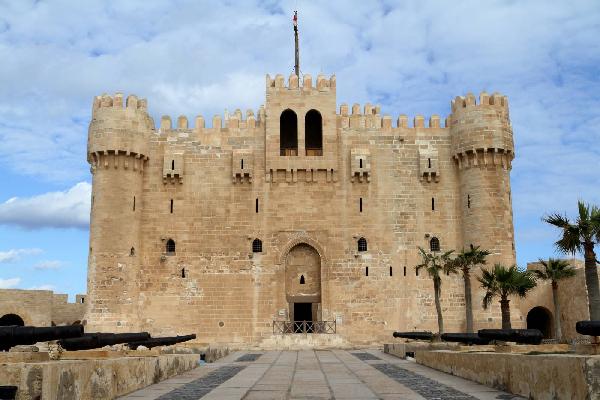
Citadel of Qaitbay: This picturesque 15th-century fortress stands on the site of the ancient Lighthouse of Alexandria, one of the Seven Wonders. The views of the Mediterranean from the ramparts are spectacular.
Kom el Shoqafa Catacombs: A fascinating Roman burial site discovered in 1900. It’s a unique blend of Egyptian, Greek, and Roman artistic styles, accessed by a spiral staircase circling a central shaft.
Pompey’s Pillar: A massive 25-meter red granite column erected in honor of Emperor Diocletian. It is one of the largest ancient monoliths ever created.
The Corniche: The long waterfront promenade is perfect for a stroll. Watch locals fishing, enjoy the sea breeze, and stop at a seafood restaurant.
Alexandria Food & Drink
Alexandria is famous for its seafood. Choose a restaurant along the corniche where you can select your fish from a display of the day’s catch. It will be weighed, grilled, and served with a variety of mezze (appetizers). Don’t forget to try fresh grilled prawns and sea bass.
Transportation to/from Alexandria
The most comfortable way to travel between Cairo and Alexandria is by train. Egyptian National Railways offers several daily services; opt for the Spanish-built “Express” trains for a faster, more comfortable journey (around 2.5 hours). Buses are also available and are often cheaper.
Part 3: Returning to Cairo & Journey South
After returning from Alexandria, you will use Cairo as a transit hub for your flight to Hurghada. This is a good opportunity to visit any sites you missed or simply to relax before the next leg of your adventure.
Part 4: Hurghada – Gateway to the Red Sea
Flying from Cairo to Hurghada transports you from desert sands to turquoise waters. Hurghada is a purpose-built resort town on the Red Sea coast, renowned for its world-class diving, snorkeling, and beach holidays.
Attractions & Activities in Hurghada
Diving and Snorkeling: The primary reason to visit. The Red Sea’s coral reefs are among the best in the world, teeming with vibrant marine life. There are dive sites for all levels, from shallow gardens to dramatic drop-offs. Day trips to Giftun Island are popular for snorkeling.
Desert Safari: Take a break from the water and venture into the Eastern Desert. Tours often include quad biking, visiting a Bedouin village for tea, and experiencing the stunning silence of the desert at sunset.
Marina Hurghada: A modern development with upscale shops, restaurants, and cafes. It’s a pleasant place for an evening stroll.
Relaxation: If you’re staying at a resort, make use of the pools, private beaches, and spa facilities. This is your chance to unwind.
Hurghada Food & Drink
Resort buffets are plentiful, but venture out for fresh seafood at local restaurants. International cuisine is widely available. As a tourist town, alcohol is more readily available here than in most other parts of Egypt.
Transportation & Tips for Hurghada
Most resorts are located in structured areas like El Gouna or Sahl Hasheesh. Taxis are the main mode of transport for getting around town. Agree on fares before getting in. Hurghada is also a major port for ferries to Sharm el-Sheikh across the Red Sea.
Part 5: Luxor – The World’s Greatest Open-Air Museum
The journey from Hurghada to Luxor is an adventure in itself, taking you through the Eastern Desert and into the heart of ancient Thebes. Luxor is arguably the most impressive concentration of archaeological sites in the world.
Transportation from Hurghada to Luxor
The most common way is by private car, minibus, or coach. The journey takes approximately 4-5 hours by road. You can also find domestic flights, but they are less frequent. Many travelers opt for an organized tour that includes transportation and a guide.
Attractions on the East Bank (Thebes of the Living)
Karnak Temple Complex: This is not a single temple but a vast city of temples built over 2,000 years. The scale is mind-boggling. Walk through the Great Hypostyle Hall, a forest of 134 massive columns, and feel dwarfed by history.
Luxor Temple: Located in the heart of the modern city, this temple is beautifully illuminated at night. It was connected to Karnak by a 3-kilometer avenue of sphinxes. Its construction was contributed to by Amenhotep III, Ramses II, and Alexander the Great.
Attractions on the West Bank (Thebes of the Dead)
Valley of the Kings: The burial place of Egypt’s New Kingdom pharaohs, including Tutankhamun. Your standard ticket allows entry to three tombs (excluding Tutankhamun and Ramses V/VI). The colors inside some tombs are remarkably preserved. It’s hot and involves a lot of walking.
Temple of Hatshepsut (Deir el-Bahari): A stunning mortuary temple built into a cliff face for Egypt’s most successful female pharaoh. Its modern, elegant terraces stand in dramatic contrast to the surrounding desert.
Valley of the Queens: Home to the tombs of royal wives and children. The most famous is the beautifully decorated tomb of Queen Nefertari (requires a separate, expensive ticket).
The Colossi of Memnon: Two massive stone statues of Amenhotep III that have stood guard over the Theban necropolis for 3,400 years. They are easily visible from the road and are often the first stop on a West Bank tour.
Luxor Food & Drink
The restaurant scene in Luxor is geared towards tourists. You’ll find a mix of Egyptian and international fare. Rooftop restaurants along the Nile Corniche offer fantastic views, especially at sunset. For a more local experience, explore the streets away from the tourist hubs.
A Unique Luxor Experience: Hot Air Balloon Ride
A sunrise hot air balloon flight over the West Bank is a magical experience. Floating silently above the Valley of the Kings, Hatshepsut’s Temple, and the green Nile Valley as the sun rises is an unforgettable highlight for many travelers.
Part 6: Return to Hurghada & Final Departure from Cairo
The return journey from Luxor to Hurghada allows you to decompress and process the immense history you’ve just witnessed. A final night in Hurghada offers a chance for one last dive or a relaxing day on the beach before flying back to Cairo for your international departure.
Practical Travel Tips and Cultural Insights
Best Time to Visit
The ideal time to visit Egypt is during the cooler months from October to April. The summer months (May-September) are extremely hot, especially in Luxor and Aswan.
Visa & Entry
Most nationalities require a visa to enter Egypt. This can often be obtained online as an e-Visa before travel or purchased upon arrival at major airports like Cairo. Check with your local Egyptian embassy for the most current requirements.
Currency & Money
The Egyptian Pound (EGP) is the local currency. While credit cards are accepted at larger hotels and some restaurants, cash is king for smaller purchases, markets, and tipping. ATMs are widely available in cities.
Tipping (Baksheesh)
Tipping, or “baksheesh,” is an integral part of Egyptian culture. Small tips are expected for a wide range of services—from someone showing you a “secret” spot in a temple to your restaurant server and bathroom attendant. Always carry small bills for this purpose.
Dress Code & Etiquette
Egypt is a predominantly Muslim country, and it’s respectful to dress modestly. This is especially important when visiting mosques or religious sites (shoulders and knees should be covered for both men and women). In resort areas like Hurghada, western swimwear is acceptable on the beach but cover up when leaving the hotel premises.
Staying Safe & Healthy
Drink only bottled water and avoid ice in drinks. Be cautious with street food; ensure it’s freshly cooked and hot. Use common sense with your belongings in crowded areas to avoid pickpockets. Generally, Egyptians are incredibly hospitable and friendly people who are eager to welcome tourists.
Bargaining
Bargaining is expected in markets like Khan el-Khalili. Do so with a sense of humor and patience. Start at about half the asking price and negotiate until you reach a price that feels fair to both parties. If you’re not interested, a polite but firm “La, shukran” (No, thank you) is usually enough.
This itinerary provides a deep and diverse experience of Egypt’s greatest hits—from pyramids and pharaonic tombs to bustling bazaars and pristine coral reefs. It’s a journey through millennia that will leave you with memories to last a lifetime.