A Comprehensive Travel Guide to the Greek Saronic Islands: Hydra, Poros, and Aegina
Introduction to the Saronic Gulf Islands
Just a short distance from the bustling port of Piraeus in Athens lies a stunning archipelago known as the Saronic Islands. Hydra, Poros, and Aegina offer a perfect escape from the mainland, each with its own unique character, history, and charm. These islands are famously accessible via the “One-Day Cruise” but deserve much more time to be fully appreciated. They are characterized by their proximity to Athens, lush landscapes in parts, and a blend of cosmopolitan flair and traditional Greek island life.
This guide provides a detailed overview of each island, including their history, main attractions, activities, cuisine, and essential practical travel information to help you plan an unforgettable journey through the Saronic Gulf.
Hydra (Idra or Ydra)

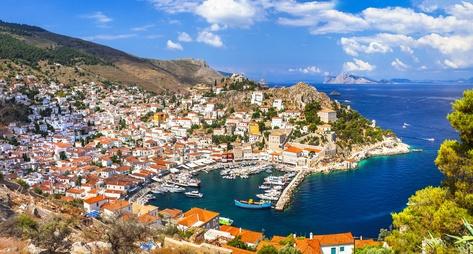
Hydra is perhaps the most iconic and glamorous of the three islands. Its most defining feature is the complete absence of motorized vehicles. No cars, no scooters—just boats, donkeys, mules, and your own two feet. This immediately creates an atmosphere of timeless tranquility. The island’s main town is a stunning amphitheater of grey stone mansions cascading down to a beautiful harbor, a testament to its immense wealth during the 18th and 19th centuries when its merchant and naval fleets dominated the Mediterranean.
History and Culture
Hydra’s power peaked during the Napoleonic Wars, when its shipowners skillfully navigated blockades to amass great fortunes. This wealth is evident in the grand
Archontika (Captains’ Mansions) that line the harbor. The island also played a crucial role in the Greek War of Independence against the Ottoman Empire in 1821, providing ships, sailors, and key revolutionary figures like Admiral Andreas Miaoulis. The Historical Archive Museum of Hydra offers deep insight into this glorious past. The island has long been a haven for artists, writers, and musicians, including Leonard Cohen, who owned a home here.
Main Attractions & Activities
Hydra Town Harbor: Spend time soaking in the atmosphere. Watch the boats come and go, see the donkeys being loaded with goods, and enjoy a coffee at one of the many waterfront cafes.
Historic Mansions: Visit the Lazaros Koundouriotis Historical Mansion (now a museum branch of the National Historical Museum) to see how a wealthy ship-owning family lived. The Tsamadou and Kriezis mansions are also notable.
Monastery of Profitis Ilias & Monastery of the Assumption of the Virgin Mary: Located at the highest point of Hydra Town, this complex offers panoramic views and houses a small nunnery. The main church in the town center features a beautiful iconostasis.
Beaches: Hydra’s beaches are mostly pebbly or rocky. The most famous is Mandraki Beach, a 20-minute walk from town, which has a beach bar and restaurant. Kaminia and Vlychos are smaller, quieter pebble beaches further along the coastal path. Bisti and Agios Nikolaos are more remote and require a water taxi.
Hiking: Hydra is a hiker’s paradise. Well-marked trails and old stone paths crisscross the island. A popular hike is from Hydra Town to the summit of Mount Eros (588m), the highest point on the island, for breathtaking views.
Practical Information for Hydra
Getting There: Regular ferries and hydrofoils from Piraeus port in Athens. The journey takes approximately 1.5 to 2 hours.
Getting Around: On foot, by donkey/mule (arranged at the port), or by water taxi for access to beaches and remote coves.
Where to Stay: A range of options from luxury hotels in restored mansions (e.g., Bratsera Hotel) to charming guesthouses and apartments. Book well in advance for peak season.
What to Eat: Fresh seafood is a must. Try “ampelofasoula” (a local bean dish) and “ladenia” (a tomato and onion pie).
Poros

Poros is actually two islands connected by a small bridge: Sphairia (the volcanic part where the town is) and Kalavria (the larger, pine-covered part). It has a much more relaxed and green feel compared to the arid drama of Hydra. The island is very popular with Athenians for weekend getaways due to its proximity. The main town is built amphitheatrically on the slopes, with a distinctive white clock tower standing proudly above the red-tiled roofs.
History and Culture
The larger part of the island, Kalavria, was sacred in ancient times. The
Temple of Poseidon, built in the 6th century BC, was a sanctuary where oracles were given and where the famous Athenian orator Demosthenes took his own life. In more recent history, Poros served as a major naval base for the modern Greek navy. The vibe here is less about glamour and more about enjoying a slow pace of life amidst stunning natural beauty.
Main Attractions & Activities
Poros Town: A lovely waterfront promenade lined with cafes, shops, and tavernas. It’s a joy to wander its narrow, flower-filled alleyways.
The Clock Tower: A landmark of Poros, visible from everywhere in the town. The climb up to it is rewarded with fantastic views over the town and across the strait to the Peloponnese.
Temple of Poseidon: Although only foundations remain, the site in the interior of Kalavria is atmospheric and offers splendid views. The archaeological site is a pleasant walk or short bike ride from town.
Russian Bay (Russon Bay): A beautiful, sheltered cove with a fascinating history—it was the site of a Russian naval dockyard in the 19th century. Today, it’s a great spot for swimming.
Lemon Forest (Lemonodasos): A unique and fragrant grove of lemon trees located on Kalavria. It’s a magical place for a stroll, especially when the trees are in blossom.
Beaches: Love Bay (Kanali) is a small, scenic beach close to town. Neorion Beach is sandy and organized. For more seclusion, take a boat to beaches like Mikro Neorio or Askeli.
Practical Information for Poros
Getting There: Very frequent ferries from Piraeus (approx. 1 hour) and also from Galatas on the Peloponnese mainland (a 5-minute ferry ride).
Getting Around: Local buses, taxis, rental cars, scooters, and bicycles. The island is small enough to explore easily.
Where to Stay: Many hotels and rooms for rent in Poros Town, as well as resorts and villas scattered around the island.
What to Eat: As a lush island, Poros produces excellent agricultural products. Enjoy local honey, figs, and olives. Fresh fish is, of course, always a good choice.
Aegina (Aigina)

Aegina is the closest Saronic Island to Athens and has a much more “lived-in” feel, as it is a permanent home to many Athenians and locals. It’s larger and more diverse than its neighbors, featuring a bustling main town, significant ancient history, and famous pistachio orchards. The pace here is faster than on Poros or Hydra, but it still offers plenty of tranquil spots.
History and Culture
Aegina was a major maritime power and rival to Athens in the 6th and 5th centuries BC. It was the first city in Greece to mint coins. This rich history is best seen at the magnificent
Temple of Aphaia, one of the best-preserved ancient temples in Greece. The island was also the first capital of the newly independent Greek state in 1827-1829. Today, it’s renowned worldwide for its pistachios (Fistiki Aeginis).
Main Attractions & Activities
Temple of Aphaia: This Doric temple from around 500 BC is perched on a pine-covered hill with stunning views of the Saronic Gulf. Its architectural refinement places it in a triangle with the Parthenon and the Temple of Poseidon at Sounion.
Aegina Town: A vibrant port with neoclassical buildings, a lively fish market, and numerous cafes. Don’t miss the Markellos Tower, a landmark from the War of Independence era.
Palaiochora (The Ghost Town): This medieval hilltop village was the island’s capital for centuries. It’s now an atmospheric ruin with over 20 churches still standing, offering a fascinating walk through history.
Agios Nektarios Monastery & Church: One of the largest churches in the Balkans, this monastery is dedicated to Saint Nektarios, a revered 20th-century saint. It’s an important pilgrimage site.
Pistachio Groves: Rent a car or scooter and drive through the vast pistachio orchards in the interior of the island, particularly around the village of Pachia Rachi.
Beaches: Agia Marina is a popular resort town on the east coast with a long sandy beach. Marathonas and Perdika are quieter fishing villages with good swimming options. Perdika is also the departure point for boats to the tiny, uninhabited islet of Moni, known for its pristine nature and peacocks.
Practical Information for Aegina
Getting There: Very frequent ferries from Piraeus (approx. 40 min to 1.5 hours). It’s the easiest island to do as a day trip from Athens.
Getting Around: An extensive local bus network connects Aegina Town with Agia Marina, Perdika, and other villages. Taxis, rental cars, and scooters are also readily available.
Where to Stay: Options range from hotels in Aegina Town to resorts in Agia Marina and quieter rooms in villages like Perdika.
What to Eat: You must try the local pistachios in every form: raw, roasted, salted, in sweets (loukoumi), as pistachio butter, and even in liqueur. Fresh fish in Perdika is highly recommended.
Sailing and Island Hopping Itineraries
The proximity of these islands makes them perfect for island hopping. Many visitors opt for a one-day cruise from Athens that stops at all three islands for a few hours each. However, to truly experience their charm, spending at least one night on each is ideal.
Sample 4-Night/5-Day Itinerary
Day 1: Arrive in Aegina from Piraeus. Explore Aegina Town, rent a vehicle, and visit the Temple of Aphaia and Palaiochora. Overnight in Aegina.
Day 2: Take a morning ferry to Poros (approx. 1-1.5 hours). Explore Poros Town, climb to the clock tower, and visit the Lemon Forest or relax at a beach. Overnight in Poros.
Day 3: Take a late morning ferry to Hydra (approx. 30-45 min). Check into your hotel and spend the afternoon exploring Hydra Town’s mansions and museums. Enjoy a sunset dinner by the harbor. Overnight in Hydra.
Day 4: Spend the day hiking to a remote beach or monastery on Hydra, or take a water taxi to Bisti/Agios Nikolaos for swimming and seclusion. Overnight in Hydra.