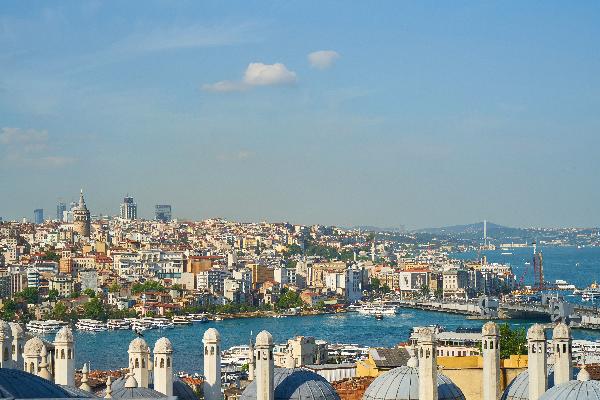
Turkey Travel Guide: Istanbul, Safranbolu, Cappadocia, Konya, Pamukkale, Kusadasi, Ephesus, Canakkale & Troy
This comprehensive travel guide outlines a classic 10 to 14-day circuit through Western and Central Turkey, a journey that weaves through millennia of history, diverse landscapes, and rich cultural traditions. From the imperial grandeur of Istanbul to the surreal rock formations of Cappadocia and the ancient ruins of Ephesus, this route offers an unparalleled immersion into the heart of Turkey.
Route Overview and Itinerary
The typical route is a circular tour starting and ending in Istanbul. The most logical and scenic direction is counter-clockwise: Istanbul → Safranbolu → Cappadocia → Konya → Pamukkale → Kusadasi/Ephesus → Canakkale/Troy → Istanbul. This journey covers approximately 2,000 kilometers by road and is best experienced using a combination of domestic flights and long-distance buses.
Recommended Duration: 12-14 days allows for a comfortable pace.
Best Time to Visit: Spring (April-June) and Autumn (September-October) offer pleasant temperatures and fewer crowds. Summers can be hot, especially in the interior, while winters are cold with potential snow in Cappadocia.
Transportation Core: Turkey’s long-distance bus network is excellent, with comfortable, reliable coaches. A domestic flight from Istanbul to Cappadocia or from Izmir back to Istanbul can save significant time.
Istanbul: The Imperial Capital
Istanbul, straddling two continents, is a mesmerizing metropolis where Europe and Asia meet. Its skyline is a tapestry of minarets, domes, and modern towers, telling stories of Roman, Byzantine, and Ottoman empires.
Main Attractions
Sultanahmet District: The historic heart of the city. Key sites include the Hagia Sophia, a masterpiece of Byzantine architecture turned mosque; the Blue Mosque, renowned for its stunning Iznik tilework; the Topkapi Palace, the opulent home of Ottoman sultans; and the Basilica Cistern, an underground wonder.
Grand Bazaar One of the world’s oldest and largest covered markets, with over 4,000 shops. It’s a labyrinth of jewelry, carpets, spices, and ceramics.
Spice Bazaar (Egyptian Bazaar): A fragrant market filled with mounds of spices, dried fruits, nuts, and Turkish delight.
Bosphorus Cruise: A boat tour along the strait dividing Europe and Asia offers spectacular views of palaces, mosques, and waterfront mansions (Yalis).
Food & Drink
Balık Ekmek: A classic fish sandwich, often grilled fresh on the boats near the Galata Bridge.
Kebab & Meze: Sample a wide variety of grilled meats and an assortment of small appetizer dishes.
Turkish Breakfast (Kahvaltı): A lavish spread including cheeses, olives, tomatoes, cucumbers, honey, clotted cream (kaymak), and jams.
Simit: A circular bread encrusted with sesame seeds, a popular street food.
Transportation & Accommodation
Istanbul has an extensive public transport system (metro, tram, ferry). The Istanbulkart is a rechargeable card valid on all. For accommodation, the Sultanahmet area is ideal for first-time visitors due to its proximity to major sights, while Beyoğlu (including Taksim and Karaköy) offers a more modern, vibrant nightlife scene.
Safranbolu: A Journey to the Ottoman Past
A UNESCO World Heritage site, Safranbolu is a beautifully preserved Ottoman town located in the Black Sea region. Its name derives from the saffron that was once cultivated here.
Main Attractions
Old Town (Çarşı): A maze of cobblestone streets lined with hundreds of traditional Ottoman-era houses featuring whitewashed walls, timber frames, and red-tiled roofs.
Cinci Han & Cinci Hamam: A 17th-century caravanserai and a historic Turkish bath that are still in operation.
Izzet Pasha Mosque: A large imperial mosque built in the late 19th century.
Yörük Village (Yörük Köyü): A smaller, less-restored village near Safranbolu offering an even more authentic glimpse into the past.
Food & Drink
Saffron-infused dishes and desserts.
Safranbolu Lokum: A unique type of Turkish delight.
Gözleme: Hand-rolled pastry filled with cheese, potatoes, or spinach, cooked on a griddle.
Transportation & Accommodation
Safranbolu is best reached by bus from Istanbul (approx. 6 hours). The most authentic experience is staying in a converted Ottoman mansion, many of which now operate as boutique hotels (pensions). The town is compact and easily explored on foot.
Cappadocia: The Land of Fairy Chimneys
Cappadocia is a geological and historical marvel, famous for its surreal landscape of “fairy chimneys,” cave dwellings, and underground cities. The main towns for visitors are Göreme, Ürgüp, and Uçhisar.
Main Attractions
Hot Air Balloon Ride: A sunrise balloon flight over the valleys is a quintessential Cappadocia experience, offering breathtaking aerial views.
Göreme Open-Air Museum: A UNESCO site featuring a complex of rock-cut churches and monasteries adorned with beautiful Byzantine frescoes.
Underground Cities: Kaymaklı and Derinkuyu are multi-level subterranean cities that could house thousands of people, complete with ventilation shafts, stables, and churches.
Hiking the Valleys: Ihlara Valley, Love Valley, Rose Valley, and Pigeon Valley offer spectacular trails through unique rock formations and ancient cave churches.
Uçhisar Castle & Pigeon Valley Viewpoint: The highest point in the region for panoramic views.
Food & Drink
Testi Kebab (Pottery Kebab): Meat and vegetables cooked slowly in a sealed clay pot, which is dramatically cracked open at the table.
Clay Pottery Dishes: Various stews are cooked using this traditional method.
Wine Tasting: Cappadocia has a long history of winemaking. Many local vineyards offer tastings.
Transportation & Accommodation
The nearest airports are in Kayseri (ASR) and Nevşehir (NAV), with direct flights from Istanbul. From Safranbolu, an overnight bus is a common option. The region is best explored by renting a car, hiring a taxi for the day, or joining guided tours. For accommodation, staying in a cave hotel is a must-do experience.
Konya: The Whirling Dervishes
A city of deep religious significance, Konya is the home of the Mevlana Museum and the spiritual center of the Sufi Whirling Dervishes.
Main Attractions
Mevlana Museum: The former lodge of the Mevlevi Order (Whirling Dervishes) and the mausoleum of its founder, Jelaluddin Rumi (Mevlana). It is one of Turkey’s most visited pilgrimage sites.
Alaeddin Mosque: A 12th-century Seljuk mosque situated on a hilltop in the city center.
Sille: A nearby suburb with ancient rock-cut churches and a picturesque atmosphere.
Food & Drink
Etliekmek: A long, thin Turkish pizza topped with minced meat and vegetables, a local specialty of Konya.
Fırın Kebabı: Tandır (tandoor) kebab.
Transportation & Cultural Insight
Konya is a major stop on the bus route between Cappadocia and Pamukkale (approx. 4 hours from Göreme). As a conservative city, visitors are advised to dress more modestly here. If possible, time your visit to see the Sema Ceremony (Whirling Dervish ritual), typically held on Saturdays.
Pamukkale & Hierapolis: The Cotton Castle
A natural wonder, Pamukkale (“Cotton Castle” in Turkish) is a series of dazzling white travertine terraces filled with thermal waters. Adjacent to it lies the ancient Roman spa city of Hierapolis.
Main Attractions
The Travertine Terraces: Walk barefoot on the warm, mineral-rich terraces and bathe in the turquoise pools. The water is believed to have therapeutic properties.
Hierapolis Archaeological Site: Explore the extensive ruins, including a remarkably well-preserved theater, a vast necropolis (cemetery), and the Frontinus Street.
Antique Pool (Cleopatra’s Pool): Swim amongst submerged Roman columns in this warm, mineral-rich spring.
Food & Drink
The nearby town of Pamukkale offers standard tourist fare. For a more local experience, head to the city of Denizli. Look for gözleme and other Anatolian staples.
Transportation & Accommodation
The main base for visitors is the small town of Pamukkale. It can be reached by bus from Konya (approx. 5-6 hours) or by a short bus ride from Denizli’s main bus station. Many visitors choose to stay one night to experience the terraces at sunset or sunrise when they are less crowded.
Kusadasi & Ephesus: The Aegean Coast
The coastal resort town of Kusadasi serves as the primary gateway to one of the most magnificent archaeological sites in the world: Ephesus.
Main Attractions
The Ancient City of Ephesus: Walk through the marble-paved streets of this once-great Roman capital. Highlights include the magnificent Library of Celsus, the Grand Theatre (capable of holding 25,000 spectators), the Temple of Hadrian, and the Terrace Houses with their exquisite mosaics and frescoes.
The House of the Virgin Mary: A pilgrimage site believed to be the final home of Mary, mother of Jesus.
The Temple of Artemis: One of the Seven Wonders of the Ancient World; today only a single column remains.
Şirince Village:A charming hillside village known for its fruit wines and traditional architecture.
Food & Drink
Aegean Cuisine: Features an abundance of olive oil, wild greens (otlar), and seafood.
Kumru:A warm sandwich with sausage, cheese, and tomato, a specialty of the Izmir region.
Transportation & Accommodation
The nearest airport is in Izmir (ADB). Kusadasi is well-connected by bus from Pamukkale (approx. 3 hours). It offers a wide range of accommodation from all-inclusive resorts to boutique hotels. Ephesus is a short drive or dolmuş (shared taxi) ride from Kusadasi.
Canakkale & Troy: Gateway to Legend
The vibrant university city of Canakkale is the base for visiting the legendary city of Troy and the poignant battlefields of Gallipoli across the Dardanelles Strait.
Main Attractions
Troy Archaeological Site: Explore the layered ruins of at least nine cities built on top of each other. The site is famous for the legendary Trojan Horse; a modern wooden replica stands at the entrance.
Troy Museum:A state-of-the-art museum housing artifacts unearthed from the site, providing excellent context to its 4,000-year history.
The Trojan Horse from the 2004 film: This prop is displayed on the Canakkale waterfront.
Food & Drink
Sardalya (sardines) are a local specialty due to Canakkale’s location on the strait. The city has a lively dining scene along its waterfront promenade.
Transportation & Accommodation
The most scenic way to reach Canakkale from Kusadasi is via Ayvalık or Assos. Buses from Ayvalık take approximately 4 hours. Troy is located about 30 km south of Canakkale and is easily accessible by dolmuş or taxi. Canakkale offers numerous hotels and pensions. From Canakkale, it’s a 5-6 hour bus ride back to Istanbul to complete the circuit.
General Travel Tips for Turkey
Cuisine Overview
Turkish cuisine is diverse and considered one of the world’s best. Key elements include meze (appetizers), kebabs, fresh seafood along the coasts, olive oil-based dishes in the Aegean region, and rich pastries like baklava and künefe. Don’t miss trying Turkish tea (çay) and coffee (Türk kahvesi).
Shopping & Souvenirs
Carpets & Kilims:A timeless souvenir but requires careful purchasing.
Cerrahi Çelik (Evil Eye Beads):A blue bead believed to protect against negativity.
Coffee & Tea Sets:A traditional copper cezve (coffee pot) and tulip-shaped tea glasses.
Cultural Etiquette