An Epic Iberian Journey: Barcelona to Lisbon and Back
This comprehensive travel guide details a grand loop through the heart of Spain and Portugal, taking you from the modernist wonders of Barcelona through historic capitals, university towns, dramatic coastlines, and the sun-drenched south. This itinerary is designed for an immersive experience, blending world-class art, profound history, delectable cuisine, and stunning landscapes.
Route Overview
The journey is a circular route starting and ending in Barcelona, covering a vast and diverse range of Iberian culture. The general flow is:
Northeastern Spain (Catalonia & Aragon) -> Central Spain (Castile) -> Northern Portugal -> Central Portugal -> Southern Spain (Andalusia) -> Levante Spain -> Return to Catalonia. This guide breaks down the trip city by city, with practical advice for navigation, dining, and cultural immersion.
Part 1: Northeastern Spain – Catalonia & Aragon
Barcelona: The Catalan Capital
Your journey begins in Barcelona, a city defined by Antoni Gaudí’s architectural genius and a vibrant, modern spirit.
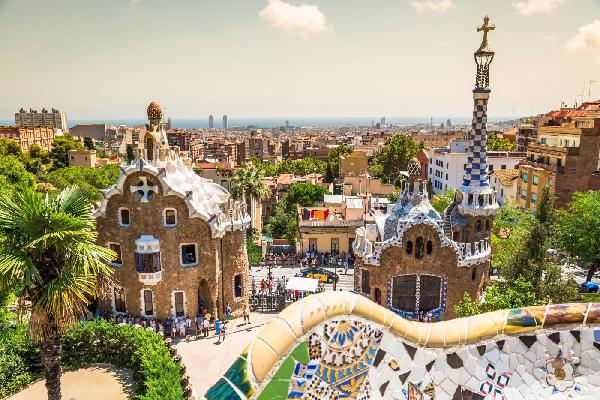
Attractions: No visit is complete without seeing the still-under-construction Sagrada Família. Book tickets online weeks in advance for a specific time slot to avoid immense queues. Explore Park Güell for its colorful mosaics and city views. Stroll down the bustling Las Ramblas (be mindful of pickpockets) and through the atmospheric Gothic Quarter (Barri Gòtic). For art lovers, the Picasso Museum offers a fantastic collection of his early works.
Food & Drink: Indulge in tapas at a local bar. Try pa amb tomàquet (bread with tomato), patatas bravas, and fresh seafood. For a sweet treat, try crema catalana. Visit La Boqueria Market off Las Ramblas for a sensory overload of fresh produce, juices, and local snacks.
Cultural Insight: Barcelona is the capital of Catalonia, a region with its own distinct language (Catalan) and a strong sense of cultural identity. You’ll see Catalan flags displayed proudly on many balconies.
Transportation: The city’s metro system is efficient and extensive. Consider a Hola BCN! travel card for unlimited travel over multiple days.
Zaragoza: The Mudejar Gem
A stop between Barcelona and Madrid, Zaragoza is the capital of Aragon, often overlooked but rich in history.
Attractions: The magnificent Basilica del Pilar on the banks of the Ebro River is the city’s centerpiece. You can take an elevator up one of its towers for a panoramic view. Nearby, the Aljafería Palace is a stunning example of Mudejar architecture (a blend of Islamic and Christian styles) and is now the seat of the Aragonese parliament.
Food & Drink: Zaragoza is in a prime region for jamón and olive oil. Try local dishes like migas (fried breadcrumbs with pork) and ternasco asado (roast lamb).
Transportation: The train from Barcelona to Zaragoza is fast and comfortable (around 1.5 hours). The city center is very walkable.
Part 2: The Heart of Spain – Castile
Madrid: The Royal Spanish Capital
Bustling, elegant, and full of life, Madrid is a city that thrives late into the night.
Attractions: Spend a day at the Prado Museum, home to masterpieces by Velázquez, Goya, and El Greco. The Royal Palace offers a glimpse into royal opulence. Relax in the vast Retiro Park, where you can rent a rowboat on the lake. The Plaza Mayor and the bustling Puerta del Sol are essential stops.
Food & Drink: Dive into the tapas culture in the La Latina neighborhood. Don’t miss trying a bocadillo de calamares (calamari sandwich) around Plaza Mayor. For a sweet, fried dessert, have churros con chocolate at the historic Chocolatería San Ginés.
Cultural Insight: Madrid’s rhythm is late. Dinner often starts at 9 or 10 PM, and the nightlife goes until dawn. Embrace the siesta culture; many smaller shops close in the afternoon.
Transportation: Madrid’s Barajas Airport is a major international hub. The metro system is one of the best in the world. From here, you can take high-speed trains to almost any major city in Spain.
Toledo: The City of Three Cultures
A short train ride from Madrid, Toledo is a UNESCO World Heritage site perched on a hill, overlooking the Tagus River.
Attractions: The imposing Toledo Cathedral is a masterpiece of Gothic architecture. Explore the Alcázar, a massive fortress with military museum. Get lost in the narrow, winding streets of the Jewish Quarter and visit the Synagogue of Santa María la Blanca and the El Greco Museum, dedicated to the painter who called Toledo home.
Food & Drink: Toledo is famous for its marzipan (mazapán), a sweet confection of almonds and sugar. Game meats like partridge (perdiz) are also local specialties.
Cultural Insight: Toledo is known as the “City of Three Cultures” for its historical coexistence of Christian, Muslim, and Jewish communities, whose architectural and cultural influences are still visible today.
Salamanca: The Golden City
Home to one of Europe’s oldest universities, Salamanca’s architecture glows with a distinctive golden hue.
Attractions:The main square, Plaza Mayor, is considered one of the most beautiful in Spain. Admire the intricate Plateresque facade of the University of Salamanca; try to find the famous frog carving for good luck. The city has two cathedrals, the Old and the New, joined together.
Food & Drink:As a university town, it’s full of affordable tapas bars. Enjoy hornazo, a meat-stuffed pastry, and jamón ibérico from the nearby region.
Transportation:Salamanca is well-connected by bus and train from Madrid. The city center is compact and perfect for exploring on foot.
Part 3: Portugal – From North to Capital
Porto: The Invincible City
A bus or train from Salamanca will take you into Portugal, to its second city, Porto. Built on hills along the Douro River, it’s famous for its namesake wine.
Attractions:Cross the iconic Dom Luís I Bridge for stunning views of the Ribeira district. Explore the riverfront cellars in Vila Nova de Gaia for a Port wine tasting tour. Admire the blue azulejo (tile) panels covering the Igreja do Carmo and the interior of the Stock Exchange Palace (Palácio da Bolsa).
Food & Drink:You must try a Francesinha, a decadent sandwich loaded with meats, covered in cheese, and smothered in a tomato-beer sauce. For dessert, try a Pastel de Nata, though Lisbon claims they are better. Of course, sample Port wine, both tawny and ruby varieties.
Cultural Insight:The people of Porto (Portuenses) are known for their hard-working and somewhat melancholic nature, often contrasted with the more cosmopolitan Lisboetas.
Transportation:The city’s metro system is clean and efficient. The journey from the São Bento train station, with its beautiful azulejo-lined walls, is an attraction in itself.
Coimbra: The City of Students
A stop on the way to Lisbon, Coimbra is home to Portugal’s oldest university, which dominates the city’s upper town.
Attractions:The highlight is the University of Coimbra, especially the magnificent Joanina Library, a baroque masterpiece. Visit the historic Cathedral (Sé Velha) and stroll through the charming streets of the Alta (upper town).
Food & Drink:Tasteleitão(suckling pig), a regional specialty. Listen to liveFado de Coimbra, a more melancholic and academic style of traditional Portuguese music than its Lisbon counterpart.
Sintra, Cabo da Roca & Cascais: Palaces and Coastline
A day trip or short stay from Lisbon, this area offers fairy-tale palaces and dramatic Atlantic scenery.
Sintra:A UNESCO site with lush hills dotted with extravagant palaces. Must-sees include the colorfulPena Palace, the mysteriousQuinta da Regaleirawith its initiation well, and the ruins of theMoorish Castle. Buy tickets online in advance.
Cabo da Roca:The westernmost point of continental Europe. It’s a windswept cliff with a lighthouse and a dramatic view of the ocean—a powerful and symbolic place.
Cascais:A charming former fishing village turned elegant resort town. Stroll along the waterfront, visit the“Boca do Inferno”(Hell’s Mouth) sea chasm, and enjoy a fresh seafood lunch.
Transportation:The most flexible way to see this circuit is by rental car. Alternatively, trains run regularly from Lisbon to Sintra and Cascais, and buses connect Sintra to Cabo da Roca.
Lisbon: The City of Seven Hills
Portugal’s capital is a vibrant city built on hills, full of light, history, and captivating sounds.
Attractions:Ride the iconicTram 28(though be prepared for crowds) through the narrow streets of the Alfama district. Explore theSão Jorge Castlefor panoramic views. Visit theJerónimos Monasteryin Belém, a stunning example of Manueline architecture, and nearby, taste the originalPastéis de Belém. See theBelém Towerand theMonument to the Discoveries. Take a day trip toSintra/Cascais(see above).
Food & Drink:The debate is over: try aPastel de Nata(custard tart) in Lisbon, especially at Pasteis de Belém. Enjoy fresh grilled sardines,bifanas(pork sandwiches), andbacalhau(salt cod) in countless preparations. Sip on aginjinha, a sour cherry liqueur.
Cultura Insight:The sound ofFado, Portugal’s soulful music, emanates from Alfama’s restaurants at night. It’s an essential Lisbon experience.
The most efficient way to cover this long itinerary is by combining various modes of transport:
A Note on Transportation Between Countries & Regions