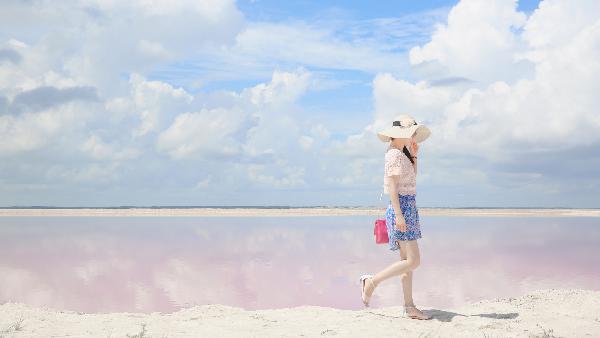
A Comprehensive Travel Guide to Cancun, the Pink Lakes, and Las Coloradas
Nestled on the northeastern tip of Mexico’s Yucatán Peninsula, the Cancun region offers a world-class travel experience that extends far beyond its famous white-sand beaches and turquoise waters. This guide explores the vibrant city of Cancun as a gateway to one of nature’s most surreal wonders: the pink lakes of Las Coloradas and the nearby fishing village of Río Lagartos. This journey combines cosmopolitan luxury with raw, natural beauty, providing a multifaceted adventure through unique ecosystems, rich Mayan culture, and unforgettable culinary delights.
Introduction to the Region
The Yucatán Peninsula is a limestone flatland rich with history and natural wonders. While Cancun is renowned for its Hotel Zone and vibrant nightlife, venturing northwest leads to the Ría Lagartos Biosphere Reserve, a sprawling protected area of mangroves, estuaries, and wetlands. It is here that you will find Las Coloradas, a series of stunning pink lagoons, and the tranquil town of Río Lagartos, which serves as the primary access point for exploring the reserve. This combination of urban energy and pristine nature makes for a perfectly balanced itinerary.
Chapter 1: Cancun – The Vibrant Gateway
Cancun is more than just a spring break destination; it is a meticulously planned tourist city offering luxury, adventure, and culture. Divided into two main areas—the Zona Hotelera (Hotel Zone) and El Centro (Downtown)—it caters to every type of traveler.
Main Attractions in Cancun
Zona Hotelera: This long, narrow island is home to most of Cancun’s resorts, restaurants, and nightclubs. Its main boulevard is lined with shopping malls like La Isla and Kukulcán Plaza. The beaches here, such as Playa Delfines and Playa Chac Mool, are public and offer stunning views of the Caribbean Sea.
El Rey Archaeological Zone: Located within the Hotel Zone, this small but significant Mayan ruin site features platforms, plazas, and structures dating back to 900-1500 AD. It’s a peaceful escape from the modern resort landscape.
Museo Maya de Cancun: Adjacent to the San Miguelito archaeological site, this modern museum houses one of the most important collections of Mayan artifacts in Mexico, providing essential context for the region’s ancient history.
Ventura Park: A family-friendly amusement park with water slides, a dolphin swim encounter, and adrenaline-pumping attractions.
Cancun Underwater Museum (MUSA): An innovative project featuring over 500 life-sized sculptures submerged in the National Marine Park. It can be visited by snorkeling, diving, or on a glass-bottom boat tour.
Food and Drink in Cancun
While international cuisine is abundant, seeking out authentic Yucatecan food is a must.
La Parrilla: A classic downtown restaurant offering traditional Mexican dishes in a lively, mariachi-filled atmosphere. Try the cochinita pibil (slow-roasted pork).
Los de Pescado: For some of the best seafood tacos in town, this casual spot in El Centro is a local favorite.
Mercadó 28: A large market in downtown Cancun where you can find souvenirs and numerous small eateries serving authentic, affordable local food.
Must-Try Dishes: Cochinita Pibil, Panuchos (fried tortillas filled with black beans and topped with turkey or chicken), Sopa de Lima (lime soup), and fresh ceviche.
Accommodation Tips for Cancun
Cancun’s accommodation spectrum is vast.
Luxury & All-Inclusive: The Hotel Zone is dotted with world-class resorts like Le Blanc Spa Resort, The Ritz-Carlton, and Hyatt Ziva. These offer all-inclusive packages, private beaches, and top-tier amenities.
Mid-Range & Boutique: For a more local feel, consider hotels in El Centro such as The Royal Islander or Krystal Grand. They offer better value and are close to authentic restaurants and markets.
Budget & Hostels: Hostels like Mayan Monkey and Nomads Hotel & Bar provide social atmospheres and affordable dormitory or private rooms, primarily located in downtown Cancun.
Transportation in and out of Cancun
Cancun International Airport (CUN): This is the main hub. From here, you can take an official airport taxi, an ADO bus to downtown, or pre-book a private shuttle to your hotel.
Getting Around: The local R-1 and R-2 buses are an inexpensive and efficient way to travel along the Hotel Zone and to El Centro. Taxis are plentiful but always agree on a fare before getting in. Renting a car provides maximum flexibility for day trips.
Chapter 2: The Journey to Las Coloradas and Río Lagartos
The trip from Cancun to Las Coloradas is a scenic 3-hour drive (approximately 200 km / 125 miles) northwest. The landscape transforms from bustling city to dense jungle and finally to the flat, coastal plains of the Yucatán.
Transportation Options
Rental Car: The most flexible option. Take Highway 180D (the toll road/cuota) for a faster journey. The drive is straightforward and allows for spontaneous stops in colonial towns like Valladolid.
Organized Tour: Numerous tour operators in Cancun and Playa del Carmen offer day trips that combine Las Coloradas, Río Lagartos, and often a stop in Valladolid. This is a hassle-free option with a guide.
ADO Bus + Local Guide: Take an ADO bus from Cancun to Tizimín or Río Lagartos. From there, you will need to hire a local taxi or boat tour operator to access the pink lakes and biosphere reserve. This is more adventurous but requires more planning.
Chapter 3: Las Coloradas – The Surreal Pink Lakes
Las Coloradas is a small community within the Ría Lagartos Biosphere Reserve, famous for its salt production and, of course, its vividly pink lagoons.
The Science Behind the Pink Color
The mesmerizing pink hue is a natural phenomenon caused by the interaction of three elements: high salinity, red-colored algae (Dunaliella salina), and brine shrimp (Artemia salina). The algae produce carotenoid pigments (specifically beta-carotene) as a protective mechanism against the intense sun and salt concentration. As the water evaporates in the sun, the salinity increases, intensifying the pink color. This beta-carotene is harvested by the local salt company for use in cosmetics and food coloring.
Visiting the Pink Lakes
Access: The lakes are part of an active saltworks facility. Independent access is restricted for safety and environmental reasons. Visitors must be accompanied by a certified local guide.
The Experience: Guided tours typically stop at designated viewpoints where visitors can take photographs. Walking on the salt banks is often prohibited to protect the delicate ecosystem. The color is most vibrant on sunny days around midday.
Photography Tips: The contrast between the pink water, white salt piles, and blue sky is stunning. Wear neutral-colored clothing for great photos. Drones may require special permission.
Chapter 4: Río Lagartos – A Gateway to Nature
The nearby fishing village of Río Lagartos (“River of Lizards”) is the main ecotourism hub for the biosphere reserve. It’s a tranquil town with a colorful malecón (waterfront promenade) where you can hire boats for tours.
Ría Lagartos Biosphere Reserve Boat Tour
A boat tour through the mangrove-lined estuaries is the highlight of any visit. A typical 2-3 hour tour includes:
Flamingo Watching: The reserve is one of the most important nesting sites for the American flamingo (Phoenicopterus ruber). Thousands of these elegant birds can be seen wading in the shallow waters, especially between March and July.
The Mayan Bath (Clay Mud Bath): A fun and therapeutic stop where you can cover yourself in mineral-rich white clay mud found on the banks of the river. After it dries, you wash it off in the water, leaving your skin feeling incredibly soft. It’s a ritual said to have been used by Mayan royalty.
Wildlife Spotting: Besides flamingos, keep an eye out for crocodiles (safely viewed from the boat), sea turtles, various species of herons, ospreys, and other migratory birds.
Ojo de Agua: Some tours include a stop at this freshwater spring where you can take a refreshing swim.
Food in Río Lagartos
Being a fishing village, the seafood is exceptionally fresh and delicious.
Restaurant Isla Contoy: A popular spot on the malecón known for its whole fried fish, ceviche, and shrimp dishes.
Los Negritos: Another excellent waterfront restaurant serving local specialties.
Must-Try Dish: Tikin Xic Fish – A classic Yucatecan dish where fish is marinated in achiote and sour orange juice, then grilled in a banana leaf.
Chapter 5: Cultural Insights and Practical Tips
Cultural Etiquette
Language: While English is widely spoken in Cancun’s tourist areas, learning a few basic Spanish phrases (Hola, Gracias, Por favor) will be greatly appreciated in Río Lagartos and smaller towns.
Tipping: In restaurants, a 10-15% tip is standard if service is not included. It’s also customary to tip tour guides and boat captains.
Respect for Nature: The Ría Lagartos Biosphere is a protected area. Do not litter, do not attempt to feed or disturb the wildlife (especially flamingos), and always follow your guide’s instructions.
Packing Essentials
Sun Protection: The Yucatán sun is intense. Bring high-SPF sunscreen, a wide-brimmed hat, and polarized sunglasses (which also help see through the water’s glare).
Clothing: Lightweight, breathable clothing is best. For the boat tour, wear clothes you don’t mind getting muddy for the Mayan bath. A swimsuit is essential.
Other Items: Binoculars for bird watching, insect repellent (especially for the mangroves), cash (many places in Río Lagartos do not accept credit cards), and a reusable water bottle.
Health and Safety
Water: Drink only bottled or purified water. Avoid ice in drinks from street vendors.
Safety: Cancun’s tourist areas are generally safe, but practice standard precautions against petty theft. The areas around Río Lagartos and Las Coloradas are very safe and welcoming.
A Sample 3-Day Itinerary
Day 1: Arrival and Cancun Exploration
- Morning: Arrive at Cancun International Airport and transfer to your hotel.
- Afternoon: Settle in and explore your local beach in the Hotel Zone or visit the Museo Maya de Cancun.
- Evening: Enjoy dinner at a traditional restaurant in El Centro like La Parrilla.
Day 2: Pink Lakes and Flamingo Adventure
- Morning: Depart early for Las Coloradas/Río Lagartos (by rental car or pre-booked tour).
- Mid-day: Arrive in Río Lagartos, hire a boat captain for a tour of the biosphere reserve. See flamingos, experience the Mayan bath, and visit the pink lakes viewpoint.
- Afternoon: Enjoy a late seafood lunch in Río Lagartos before driving back to Cancun.
- Evening: Relax at your hotel or enjoy Cancun’s nightlife.
Day 3: Mayan Ruins and Departure
- Morning: Visit the El Rey ruins in the Hotel Zone or take a day trip to the more extensive Tulum or Coba ruins if time permits.
- Afternoon: Last-minute souvenir shopping at Mercado 28 or La Isla Shopping Village.
- Evening: Transfer to the airport for departure.
Conclusion
The journey from the modern luxuries of Cancun to the otherworldly landscapes of Las Coloradas and the pristine wilderness of Río Lagartos showcases the incredible diversity of Mexico’s Yucatán Peninsula. It’s a trip that satisfies a desire for both comfort and adventure, connecting travelers with powerful natural forces, ancient cultures, and simple coastal living. By planning ahead and respecting the local environment and customs, visitors are guaranteed an enriching and unforgettable experience that goes far beyond the typical beach vacation.