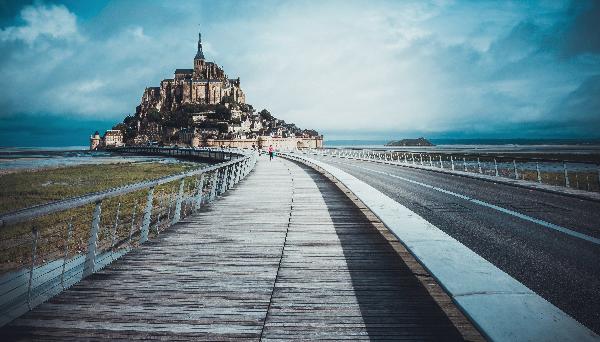
A Travel Guide to Paris and Mont-Saint-Michel
This guide details a classic French itinerary, taking travelers from the vibrant heart of Paris to the mystical, tidal island of Mont-Saint-Michel and back. It is designed to provide practical information, cultural context, and recommendations for an enriching journey through two of France’s most iconic destinations.
Part 1: Paris – The City of Light
Paris, the capital of France, is a global center for art, fashion, gastronomy, and culture. Its tree-lined boulevards, iconic landmarks, and artistic ambiance make it a perennial favorite for travelers.
Key Attractions in Paris
Eiffel Tower (La Tour Eiffel): The quintessential symbol of Paris. Visitors can ascend to one of its three levels for breathtaking panoramic views of the city. It is recommended to book tickets well in advance online to avoid long queues. The surrounding Champ de Mars park is perfect for a picnic.
The Louvre Museum (Musée du Louvre): The world’s largest art museum, housed in a former royal palace. Home to masterpieces like the Mona Lisa, the Venus de Milo, and the Winged Victory of Samothrace. A comprehensive visit requires planning; it is advisable to focus on specific wings or use a map to prioritize artworks.
Notre-Dame Cathedral: While the interior remains closed for extensive restoration following the 2019 fire, the exterior of this Gothic masterpiece is still a awe-inspiring sight. The archaeological crypt in front of the cathedral offers fascinating insights into the history of Île de la Cité.
Arc de Triomphe and Champs-Élysées: Climb to the top of the Arc de Triomphe for one of the best views of Paris, looking directly down the twelve radiating avenues, including the famous Champs-Élysées. The traffic circle around the arc is famously chaotic; use the underground pedestrian passage to access it.
Montmartre and the Sacré-Cœur Basilica: This historic artistic neighborhood perched on a hill offers a village-like atmosphere. The white-domed Sacré-Cœur Basilica provides another stunning city vista. Place du Tertre is filled with artists painting and selling their work.
Musée d’Orsay: Housed in a magnificent former railway station, this museum boasts an unparalleled collection of Impressionist and Post-Impressionist masterpieces by artists such as Monet, Manet, Renoir, Van Gogh, and Degas.
Parisian Cuisine
Paris is a culinary paradise. Beyond fine dining, the city’s charm lies in its bistros, bakeries, and markets.
Classic Dishes: Try Steak Frites (steak with French fries), Coq au Vin (chicken braised in wine), EscargotsCroque Monsieur (a grilled ham and cheese sandwich).
Patisseries & Bakeries: No visit is complete without a buttery, flaky croissant or a perfect baguette. Visit a patisserie for exquisite pastries like the éclair, tarte au citron, or the opulent Opéra cake.
Café Culture: Spend an hour people-watching from a sidewalk café terrace with a café crème (espresso with steamed milk) or a café noisette (espresso with a dash of milk).
Cheese and Wine: Visit a fromagerie (cheese shop) to sample a variety of French cheeses. Pair them with a bottle of wine from a local caviste (wine merchant).
Markets: Experience local life at markets like Marché Bastille or Marché d’Aligre for fresh produce, cheese, charcuterie, and more.
Transportation in Paris
Paris has an extensive and efficient public transportation system run by RATP.
Metro:The fastest way to get around the city. A network of 16 lines covers all major attractions. Tickets are purchased as single rides or in carnets (books of 10). The Navigo Découverte pass is cost-effective for longer stays.
Buses: Slower than the metro but offer scenic views of the city as you travel.
RER Trains: The regional express network is useful for traveling longer distances within Paris and to suburbs like Versailles and Disneyland Paris, as well as to the airports.
Taxis & Ride-Sharing: Readily available but more expensive than public transport.
Walking: Many of Paris’s arrondissements (districts) are best explored on foot to discover hidden courtyards, charming streets, and small shops.
Accommodation in Paris
Accommodation options range from luxurious palaces to cozy boutique hotels and budget-friendly hostels.
Arrondissement Choice: The 1st to 8th arrondissements are central and close to major sights but can be expensive. The Marais (3rd/4th) is trendy and historic. Saint-Germain-des-Prés (6th) is known for its literary history and chic boutiques. Montmartre (18th) is picturesque but hilly.
Hotel Types: Consider boutique hotels for unique character, or international chains for consistency. Many hotels offer rooms with Eiffel Tower views, often at a premium.
Alternative Stays: Serviced apartments or reputable vacation rentals can be a good option for families or longer stays.
Part 2: The Journey to Mont-Saint-Michel
The journey from Paris to Mont-Saint-Michel is an integral part of the experience, traversing the landscapes of Normandy.
Transportation Options
By High-Speed Train (TGV) and Bus:
- Take a TGV from Paris Montparnasse station to either Rennes or Dol-de-Bretagne. The journey takes approximately 2 hours.
- From the train station, take a dedicated shuttle bus (operated by companies like Keolis) directly to the Mont-Saint-Michel visitor center. The bus ride takes about 45-60 minutes.
- This is the fastest and most recommended public transport option.
By Car:
- The drive from Paris takes about 4 hours via the A13 and A84 motorways.
- Cars are not permitted on the island itself. They must be parked at the large designated parking lot on the mainland (paid). From there, a free shuttle bus (Passeur) or a walkway leads to the island’s entrance.
- A car offers flexibility to explore the surrounding Normandy or Brittany regions.
Organized Tours: Many companies offer day trips or overnight tours from Paris. This is a hassle-free option that includes transport and often a guided tour, but it offers less independence.
Part 3: Mont-Saint-Michel – The Marvel of the West
Rising from vast sandbanks and powerful tides, Mont-Saint-Michel is a UNESCO World Heritage site and one of France’s most striking landmarks. Its Benedictine abbey, perched atop the rocky island, has been a major pilgrimage center for centuries.
The Abbey of Mont-Saint-Michel
The Abbey is the centerpiece of the visit. A climb up the Grande Rue leads to the entrance.
Architecture:The abbey is a stunning example of medieval architecture, blending Romanesque and Gothic styles. Its construction was an incredible technical and artistic achievement.
The Cloister and Refector:The cloister offers a moment of tranquility with its double row of columns, while the refectory where the monks ate in silence is an impressive Gothic hall.
The Merveille:A three-story building on the north side that is a masterpiece of Gothic civil architecture, housing the alms hall, guest hall, and knights’ hall.
The Church:The abbey church at the very summit features a mix of Romanesque nave and Gothic choir. The statue of Saint Michael slaying the dragon crowns the spire.
Tickets & Tours:It is highly advisable to book abbey tickets online in advance. Audio guides are available, and guided tours in English are offered throughout the day.
The Village and Ramparts
The narrow, winding street of Grande Rue and its smaller alleys are lined with museums, shops, and restaurants.
The Ramparts Walk:A walk along the ramparts provides exceptional views of the bay, the tidal flats, and the surrounding defenses.
Museums:The village houses several small museums covering topics like history, maritime life, and historic dwellings (e.g., Archéoscope, Historical Museum).
Shopping:Shops sell souvenirs, heraldic items, and local specialties like the famous Mont-Saint-Michel cookies (biscuits sablés).
The Tides and the Bay
The extraordinary tidal range of the bay is a key feature of Mont-Saint-Michel.
Tidal Phenomenon:The sea can recede up to 15 kilometers from the coast and return at great speed—”as fast as a galloping horse,” as the saying goes. It is crucial to check the official tide timetable before venturing out onto the sands.
Causeway and Bridge:A modern bridge replaced the old causeway in 2014, allowing water to flow freely around the mount and helping to reduce siltation. The free shuttle buses run across this bridge.
Guided Bay Walks:For safety reasons, exploring the bay should only be done with an accredited guide. These walks can include traversing quicksand and crossing rivers.
Cuisine of Mont-Saint-Michel
The local cuisine is heavily influenced by its maritime location and Norman heritage.
Omelette de la Mère Poulard:The most famous dish on the mount is the light, fluffy omelet famously made by Mère Poulard at her eponymous restaurant. It is a culinary institution, though often considered a tourist experience.
<
> <
>Staying overnight allows visitors to experience the mount after the day-trippers have left.
>
<
< > <
> <
>The return journey follows the same routes in reverse.
>
<
< > >Upon returning to Paris, travelers can choose to explore different neighborhoods or revisit favorite spots with a fresh perspective gained from their journey to Normandy.
> <
> <
< >
<
<
>Accommodation on and around Mont-Saint-Michel
>
<
>Part 4: The Return to Paris
>
<
<
>Cultural Insights and Practical Tips
>
<
<
<
<
<
<